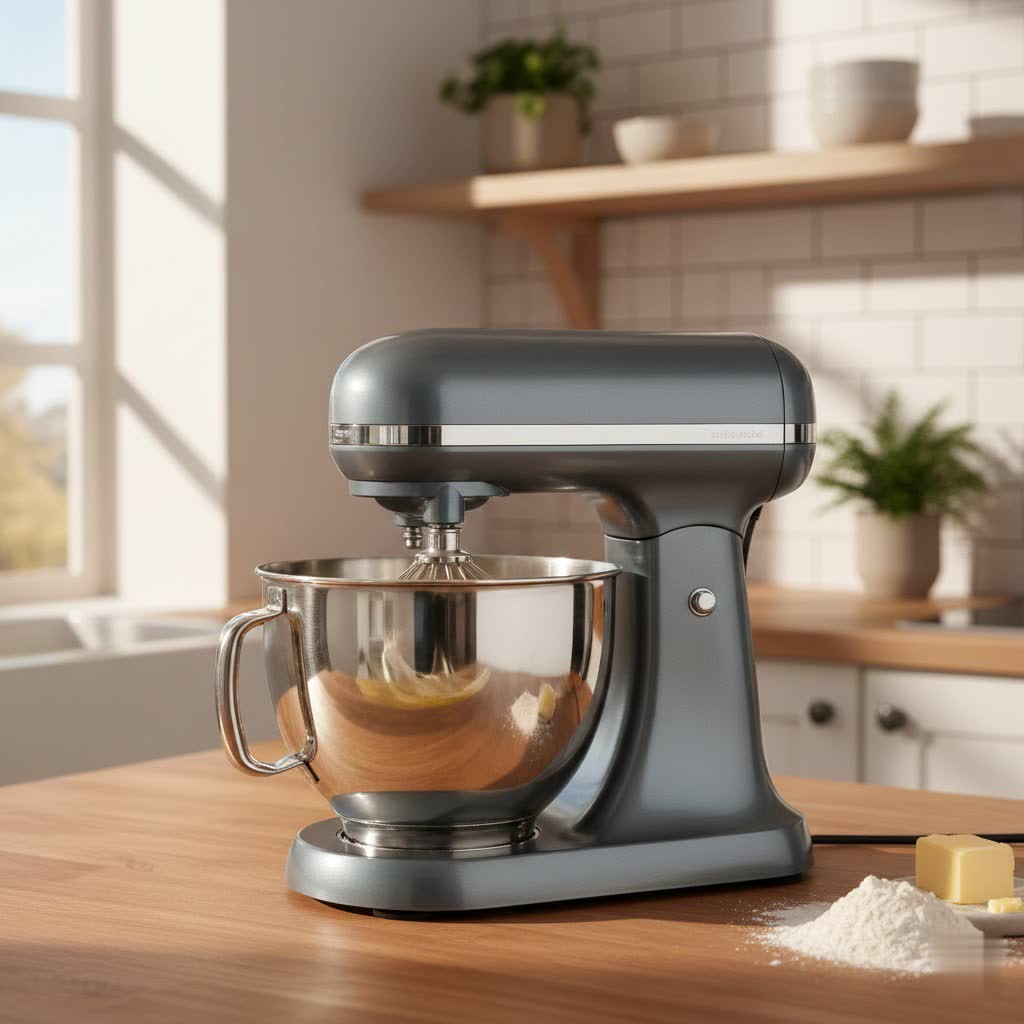
The stand mixer is a culinary powerhouse, transforming tedious tasks into effortless baking and cooking adventures. From kneading resilient doughs to whipping airy meringues, its powerful motor and rotating attachments make it an indispensable kitchen companion. Yet, with great power comes great responsibility. The very design that makes stand mixers so efficient also harbors potential hazards, particularly from their rapidly moving beaters, whisks, and dough hooks. Ensuring safe operation isn’t just about protecting your appliance; it’s fundamentally about safeguarding yourself and your loved ones from preventable injuries.
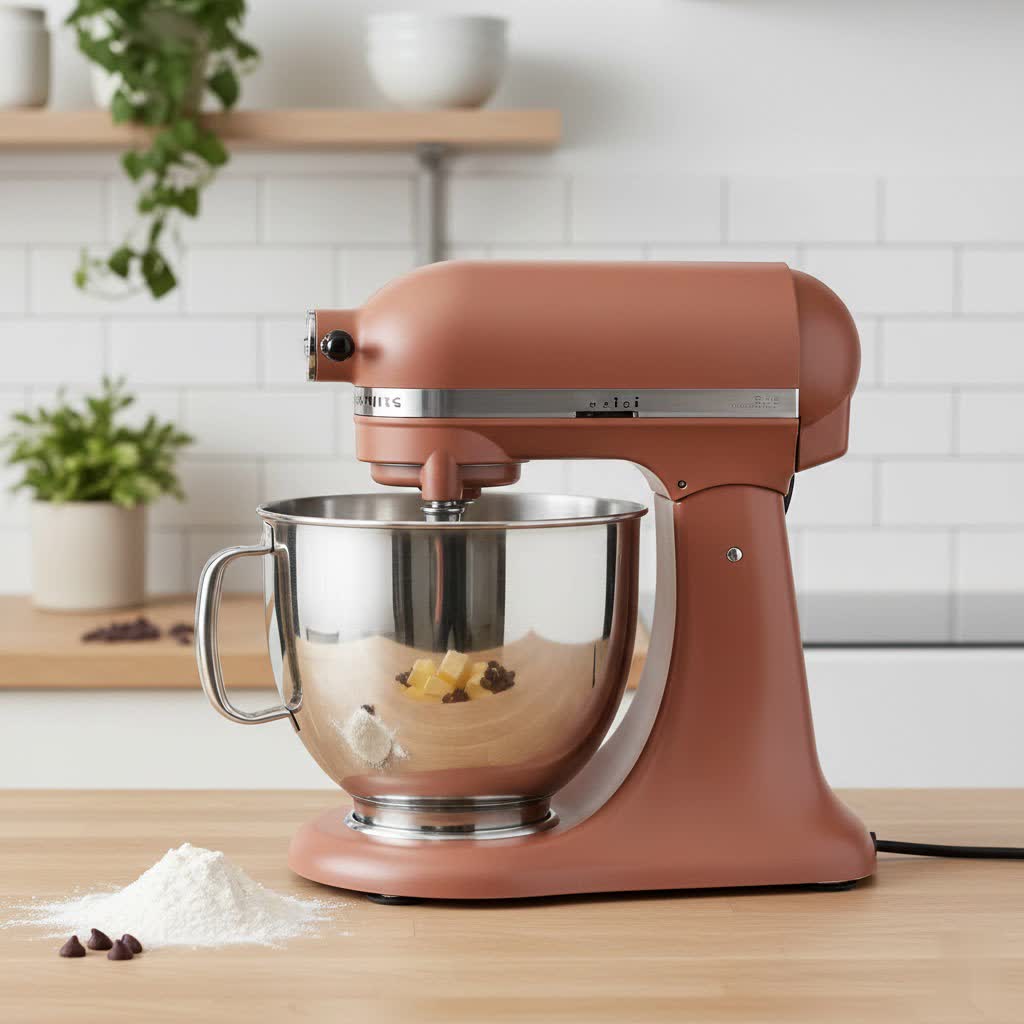
In kitchens worldwide, the stand mixer has become a symbol of culinary innovation and convenience. These robust machines streamline numerous tasks, allowing bakers and cooks to achieve professional results with ease. However, their core functionality relies on powerful motors and high-speed attachments that, if mishandled, can pose serious risks. Understanding these dangers, especially concerning the fast-spinning beaters, is the first step toward creating a safe and enjoyable cooking environment. This comprehensive guide will equip you with vital safety knowledge, turning potential kitchen hazards into worry-free culinary creativity.
What is a Stand Mixer?
A stand mixer is a countertop appliance that uses a gear-driven motor to rotate a set of beaters within a stationary bowl. This design allows for hands-free mixing, kneading, and whipping, making it significantly more powerful and efficient than handheld alternatives. Its versatility, often expanded by various attachments, makes it a cornerstone for many home and professional kitchens. However, the sheer power and mechanical action of the moving beaters require a keen awareness of safety protocols.
While the primary purpose of a stand mixer is to mix ingredients thoroughly, its powerful nature means that those rotating attachments — be it the flat beater, wire whip, or dough hook — operate with considerable force and speed. These moving parts are designed to make your tasks easier, but they also pose a significant safety risk if they come into contact with your hands, hair, clothing, or any other objects. Understanding this inherent power is crucial for maintaining a safe kitchen.
Types of Stand Mixers and Their Risks
Stand mixers come in various designs, each with slightly different considerations regarding safety, particularly when interacting with their moving parts.
- Tilt-Head Stand Mixers: These mixers feature a head that tilts back, allowing easier access to the bowl and attachments for scraping or changing. While this design offers convenience, it is paramount to ensure the mixer is completely turned off and unplugged before tilting the head or accessing the bowl to prevent accidental activation and injury from the beaters. Many modern tilt-head models include safety interlocks that prevent the motor from running when the head is in the upright position, but it is always best practice to unplug the unit.
- Bowl-Lift Stand Mixers: These models typically have a fixed head, and the bowl is raised into position using a lever. This design keeps the mixing area more enclosed during operation. However, the proximity of the beaters to the bowl’s edge still demands caution. Always lower the bowl and turn off/unplug the mixer before attempting to scrape the sides or remove ingredients, ensuring no contact with the stationary attachments.
- Handheld Mixers: While the focus here is on stand mixers, it’s worth a brief mention that handheld mixers, though less powerful, also have exposed beaters. The same principles of keeping fingers, hair, and clothing away from moving parts apply, along with unplugging before cleaning or changing attachments.
- Industrial Stand Mixers: Found in professional bakeries and large-scale kitchens, these mixers are significantly more powerful and larger. Their robust design often includes extensive safety guards and interlock systems due to the extremely high risk of severe injury. Misuse of industrial mixers can lead to catastrophic accidents, emphasizing the need for strict adherence to operational guidelines and proper training.
Regardless of the type, the core principle remains: treat all stand mixers with respect for their power, especially concerning the beaters and other rotating accessories.
Essential Safety Tips: Keeping Safe Around Beaters
The rotating beaters of a stand mixer are the heart of its functionality, but they are also the primary source of potential danger. Adhering to these critical safety tips will help ensure a safe mixing experience.
- Always Power Off and Unplug Before Interaction: This is the golden rule of stand mixer safety. Before you scrape the bowl, add ingredients, change attachments, or clean any part of the mixer, always turn it off and unplug it from the wall outlet. The smallest oversight can lead to severe injury from beaters that can unexpectedly start or continue to rotate. Even if the mixer is off, an accidental bump of the speed dial or a power surge could activate it.
- Keep Hands and Utensils Clear: Never, under any circumstances, insert your hands, fingers, or any utensils (spatulas, spoons, etc.) into the mixing bowl while the mixer is running. The beaters move at high speeds and can cause cuts, bruises, or even broken bones. Use pouring shields if your mixer has one, which helps add ingredients without exposing your hands to the moving parts. If you need to scrape the bowl, always stop the mixer and unplug it first.
- Secure Hair and Loose Clothing: Long hair, loose clothing, scarves, and even dangling jewelry can easily get caught in the rapidly rotating beaters. The force is strong enough to pull hair from the scalp or clothing into the machine, leading to serious injury. Always tie back long hair, secure loose clothing, and remove any jewelry before operating your stand mixer. A simple hair tie can prevent a life-altering accident.
- Supervise Children and Vulnerable Individuals: Stand mixers are not toys. Children, and individuals with reduced physical, sensory, or mental capabilities, should only operate the appliance under strict supervision and after receiving thorough instructions on safe use. It is best to keep children and pets away from the mixer during operation and ensure the appliance and its cord are out of their reach when not in use.
- Ensure a Stable Surface: Always place your stand mixer on a stable, flat, and dry countertop. The powerful torque generated during mixing, especially with thick doughs, can cause the mixer to vibrate or even “walk” across the counter. An unstable surface increases the risk of the mixer tipping over, which could cause injury or damage to the appliance. Avoid slippery surfaces and position the mixer away from the edge of the counter.
- Use Proper Attachments and Avoid Overloading: Always use the correct attachment for the task (e.g., dough hook for kneading, wire whip for aeration, flat beater for general mixing). Using the wrong attachment or overloading the mixer with too much mixture can strain the motor, damage the attachment, or cause the beaters to operate inefficiently and potentially break, creating flying hazards.
- Read Your User Manual: Every stand mixer model has specific features, instructions, and safety warnings. Thoroughly read and understand your mixer’s user manual before first use and refer to it whenever you have questions. Manufacturers design these manuals to highlight critical safety information unique to their product.
“A moment of carelessness can lead to a lifetime of regret. Always treat your stand mixer’s powerful beaters with the respect they command, by always powering off and unplugging before any interaction.” – Admin, ReviewRM, Stand Mixer Expert
How to Use and Maintain Your Stand Mixer Safely
Beyond the immediate operational safety tips, proper usage and maintenance practices significantly contribute to a safer kitchen environment.
Safe Usage Practices
- Start at Low Speed: Always begin mixing at the lowest speed setting to prevent ingredients from splattering out of the bowl, which can create a mess and, more importantly, a slippery surface or even compromise visibility near the beaters. Gradually increase the speed as needed.
- Monitor During Operation: While stand mixers are hands-free, they are not attention-free. Remain near your mixer during operation to observe its performance and intervene immediately if any issues arise, such as unusual noises, wobbling, or ingredients getting too close to the beaters.
- Mind the Cord: Ensure the power cord is not dangling over the edge of the counter where it could be pulled by a child or pet, or snagged by a passerby. Keep the cord away from hot surfaces like stoves to prevent damage and electrical hazards.
|
Our Picks for the Best Stand mixer in 2026
As an Amazon Associate I earn from qualifying purchases.
|
||
| Num | Product | Action |
|---|---|---|
| 1 | Camic Stand Mixer, 4.2QT+5.3QT Two bowls Electric Food Mixer, 10 Speeds with Digital setting 3-IN-1 Kitchen Mixer for Baking Cakes Cookie Bread Salad with Egg Whisk,Dough Hook,Flat Beater (Black) |

|
| 2 | Martha Stewart Tilt-Head Stand Mixer, 12 Speed, 5.3QT Stainless Steel Bowl, Splash Guard with Pour Chute, Whisk, Dough Hook, Flat Beater, Electric Kitchen Baking Mixer, Bread, Cake, Whip, Linen White |
|
| 3 | KitchenAid Artisan Series 5 Quart Tilt Head Stand Mixer, KSM150PS, Juniper |
|
| 4 | KitchenAid Classic Series 4.5 Quart Tilt-Head Stand Mixer K45SS, White |
|
| 5 | Hamilton Beach Electric Stand Mixer, 4 Quarts, Dough Hook, Flat Beater Attachments, Splash Guard, 7 Speeds with Whisk, Easy-Carry Top Handle, Red |
|
| 6 | Stand Mixer Body with Stainless Steel Cladding Pro-Grade Powerful Kitchen Mixer for Baking Bread Dough Cake 10+p Speed Tilt-Head Electric Food Mixer With 6.5QT Bowl Dough Hook Wire Whisk Flat Beater |
|
| 7 | Kitchen in the box Stand Mixer,3.2Qt Small Electric Food Mixer,6 Speeds Portable Lightweight Kitchen Mixer for Daily Use with Egg Whisk,Dough Hook,Flat Beater (Black) |
|
| 8 | Hamilton Beach Electric Stand Mixer, 4 Quarts, Dough Hook, Flat Beater Attachments, Splash Guard 7 Speeds with Whisk, Black |
|
| 9 | Stand Mixer, Kitchen in the box 3.2Qt Small Electric Food Mixer,6 Speeds Portable Lightweight Kitchen Mixer for Daily Use with Egg Whisk,Dough Hook,Flat Beater (Purple) |
|
| 10 | KitchenAid Classic Series 4.5 Quart Tilt-Head Stand Mixer K45SS, Onyx Black |
|
Proper Cleaning and Storage
- Unplug Before Cleaning: Reiterate this critical step: always unplug the mixer before cleaning any part of it.
- Clean Attachments Immediately: After use, remove and clean all attachments promptly. This prevents food residue from hardening, making them easier to clean and ensuring hygienic operation for next time. Most attachments are dishwasher-safe, but always check your manual.
- Wipe Down the Base: Use a damp cloth to wipe down the mixer base, avoiding submersion in water, as this can damage the motor and electrical components. Ensure the motor head and beater shaft area are kept clean and free from food buildup.
- Store Safely: When not in use, store your stand mixer in a safe place, ideally on its designated counter space or in a cabinet where it won’t be knocked over. Ensure attachments are stored properly to prevent damage and keep them away from children. Some mixers feature cord storage to keep the cable neatly tucked away, reducing trip hazards.
Common Issues and Safety Troubleshooting
- Mixer Wobbling/Vibrating Excessively: This often indicates an unstable surface, an imbalanced load, or an attachment that isn’t properly installed. Stop the mixer, unplug it, check the surface, adjust ingredients, and re-secure the attachment.
- Attachments Not Locking In: If an attachment doesn’t securely lock into place, do not operate the mixer. Refer to your manual to ensure proper installation.
- Unusual Noises or Smells: If you hear grinding noises or detect burning smells, immediately turn off and unplug the mixer. This could indicate a motor issue or internal damage requiring professional service.
Stand Mixer and Health
Beyond preventing physical injury from beaters, considering the health aspects of your stand mixer use is important, primarily regarding food safety and material considerations.
Material Safety
- Bowl and Attachment Materials: Most stand mixer bowls are made from stainless steel, a durable and generally safe material. Some may have glass or ceramic bowls. For attachments, stainless steel, aluminum, or coated metals are common. If you have specific allergies (e.g., nickel sensitivity to stainless steel), consider models with alternative materials for bowls and attachments.
- Food-Grade Plastics: Any plastic components that come into contact with food, such as splash guards or certain attachment parts, should be food-grade and BPA-free to prevent chemical leaching into your ingredients.
Food Safety and Hygiene
- Prevent Cross-Contamination: Always thoroughly clean bowls and attachments between uses, especially when switching between ingredients like raw meat (e.g., for sausage attachments) and baking ingredients. This prevents the spread of bacteria.
- Regular Cleaning: Consistent and thorough cleaning of all parts that contact food is vital to prevent bacterial growth and ensure the hygienic preparation of meals. Disassemble attachments as recommended by the manufacturer for the best clean.
- Clean Hands: Always wash your hands before and after handling ingredients, even when using a stand mixer, to maintain overall kitchen hygiene.
Stand Mixer Buying Guide: A Safety-First Approach
When selecting a stand mixer, considering safety features can be as crucial as evaluating power and capacity.
- Safety Interlock Mechanisms: Look for mixers that have safety features preventing operation if the head is tilted up or if the bowl/attachments are not properly secured. These provide an extra layer of protection against accidental starts.
- Splash Guards and Pouring Shields: Many mixers come with or offer optional splash guards or pouring shields. These accessories are invaluable for keeping ingredients contained within the bowl and away from the rotating beaters, reducing mess and the temptation to insert hands while the mixer is running.
- Sturdy Construction and Weight: A heavier, more robust mixer with a wide, stable base is less likely to wobble or move during operation, especially when handling heavy doughs. This inherent stability is a significant safety advantage.
- Ergonomic Controls: Easily accessible and clearly marked speed controls and power buttons contribute to safer operation, allowing for quick adjustments or shut-off in an emergency.
- Cord Length and Storage: While not a primary safety feature of the beaters themselves, a mixer with appropriate cord length and integrated cord storage can reduce trip hazards and keep the kitchen counter tidy.
Prioritizing these safety-oriented features in your stand mixer selection will contribute to a more secure and enjoyable cooking experience in your kitchen.
Top Stand Mixers for Safety-Conscious Users
While specific models and their features evolve, some brands are consistently recognized for their commitment to user safety and robust design. When seeking a stand mixer with excellent safety considerations, look for:
- KitchenAid: Widely popular, many KitchenAid models, particularly newer ones, feature safety mechanisms that prevent the mixer from running if the head is not locked down or the bowl is not properly seated. They also offer a wide range of accessories, including pouring shields and bowl guards, which enhance safe operation by keeping hands away from beaters.
- Bosch Universal Plus: Known for its unique bottom-drive design, the Bosch Universal Plus mixer keeps the beaters at the bottom of the bowl, making it harder for hands or loose items to come into contact with them from the top. Its stable design is also a safety plus.
- Kenwood: Many Kenwood models boast robust construction and often include splash guards as standard accessories, promoting a safer mixing environment. Their interlock systems are designed to prevent operation unless all components are correctly assembled.
- Smeg: While known for aesthetics, Smeg stand mixers also incorporate standard safety features like stable bases and clearly marked controls, ensuring user safety alongside stylish design.
When evaluating these or any other brand, always verify the specific model’s safety features and read reviews focusing on user experience and potential hazards to make an informed decision.
Conclusion
The stand mixer is a fantastic asset to any kitchen, but its powerful, rotating beaters demand your utmost attention to safety. By consistently following simple precautions—such as always powering off and unplugging before any interaction, keeping hands and hair clear, and supervising children—you can prevent serious injuries. Remember that vigilance and respect for this powerful appliance are key to countless joyful and safe hours of baking and cooking. Take these tips to heart and make safety a staple in your culinary adventures.
What steps will you take today to ensure your stand mixer operates safely in your home?
Frequently Asked Questions
How can I safely scrape the bowl while my stand mixer is running?
You should never scrape the bowl while your stand mixer is running. Always turn off the mixer and unplug it from the outlet before inserting any utensil or your hands into the bowl to scrape down ingredients or adjust contents, preventing serious injury from the moving beaters.
Are splash guards truly effective for safety?
Yes, splash guards and pouring shields are highly effective safety accessories. They create a barrier that helps contain ingredients within the bowl and significantly reduces the temptation and risk of accidentally introducing fingers or utensils near the rapidly rotating beaters during operation.
Can children use a stand mixer with supervision?
Children aged 8 and above, and persons with reduced capabilities, can use a stand mixer if they are supervised and have been given clear instructions on safe operation, understanding the hazards involved. However, it is generally safest to keep young children away from the mixer during use, and always ensure the appliance and its cord are out of their reach.
What should I do if my hair gets caught in the mixer?
If your hair or clothing gets caught in a stand mixer, immediately turn off and unplug the machine. Do not try to pull your hair or clothing free forcefully, as this can worsen the injury. Seek assistance to carefully untangle or cut away the entangled material.
How do I ensure my stand mixer won’t tip over during heavy use?
To prevent your stand mixer from tipping, always place it on a stable, flat, and dry countertop. Ensure the surface is non-slip and position the mixer away from the counter’s edge. For very heavy doughs, some users place a non-slip mat beneath the mixer for added stability.