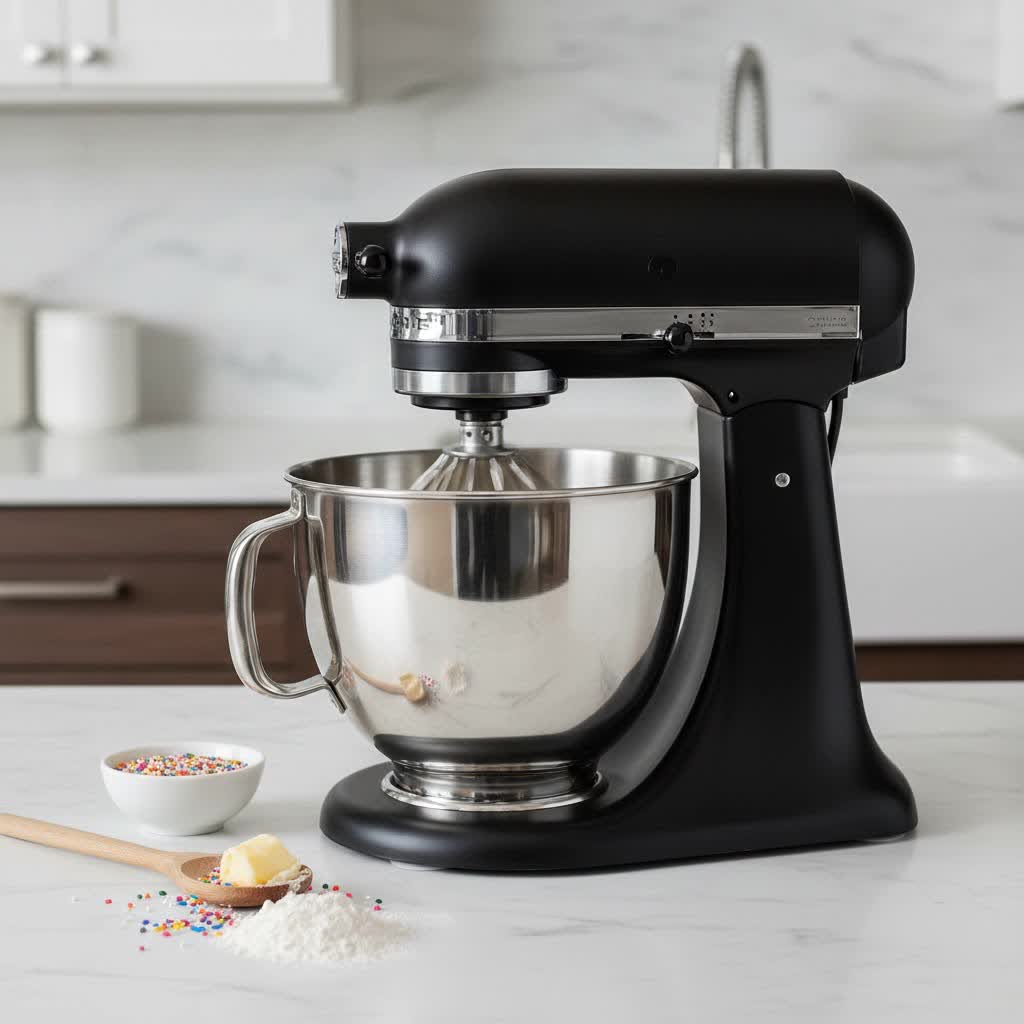
The stand mixer is an indispensable workhorse in any kitchen, transforming complex baking and cooking tasks into effortless culinary adventures. From kneading resilient bread dough to whipping airy meringues, its efficiency is unmatched. Yet, a crucial component often overlooked in its performance and user experience is the mixing bowl itself. When it comes to choosing between a glass or stainless steel bowl for your stand mixer, the decision isn’t merely about aesthetics; it profoundly impacts functionality, durability, and how you approach different recipes. Understanding the distinct characteristics of each material is key to selecting the perfect companion for your culinary endeavors.
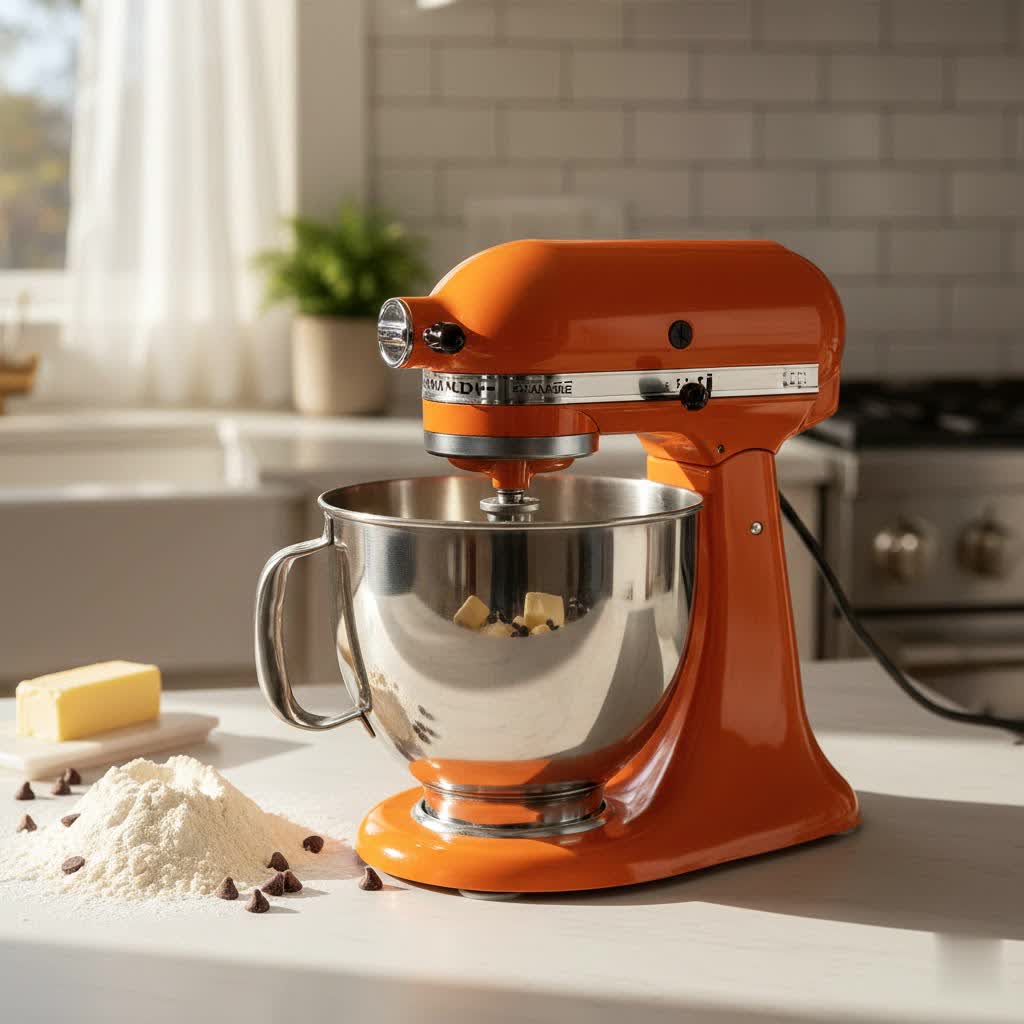
What is a Stand Mixer Bowl?
At its core, a stand mixer bowl is the receptacle where all the magic happens. It’s designed to securely attach to your stand mixer, holding ingredients as the various attachments—beaters, whisks, and dough hooks—perform their mixing, creaming, and kneading tasks. Beyond simply containing ingredients, the bowl’s material, capacity, and design can influence everything from ingredient incorporation to temperature control, making it a critical consideration for both amateur bakers and seasoned chefs. While other materials like ceramic and plastic bowls exist, glass and stainless steel remain the two most popular and debated choices for stand mixer bowls.
The Contenders: Glass Stand Mixer Bowls
Glass stand mixer bowls offer a classic and elegant appeal, often favored for their transparency and traditional look. Typically made from durable tempered or borosilicate glass, these bowls are designed to withstand the rigors of mixing while providing unique benefits.
Advantages of Glass Bowls
Glass bowls shine in several key areas that can enhance your baking experience:
- Exceptional Visibility: The transparent nature of glass is perhaps its most significant advantage. You can visually monitor the mixing process without stopping the machine, ensuring ingredients are fully incorporated, butter and sugar are perfectly creamed, or dough is reaching the right consistency. This eliminates guesswork and helps achieve precise results.
- Microwave and Freezer Safe: Many glass stand mixer bowls are both microwave and freezer safe. This versatility allows you to melt butter or chocolate directly in the bowl you’ll be mixing with, or chill ingredients prior to whipping, streamlining your workflow and minimizing dirty dishes.
- Non-Reactive Material: Glass is a non-reactive material, meaning it won’t interact with acidic ingredients like lemon juice or vinegar, preserving the true taste and color of your food.
- Aesthetic Appeal: With their clear design, glass bowls elegantly showcase ingredients and look beautiful perched on your countertop, adding a touch of classic charm to your kitchen. They are also excellent for presentation if you’re making cooking videos or demonstrations.
- Stability: Glass bowls are inherently heavier than their stainless steel counterparts. This added weight can contribute to greater stability on the stand mixer base, reducing wobbling during intensive mixing tasks.
|
Our Picks for the Best Stand mixer in 2026
As an Amazon Associate I earn from qualifying purchases.
|
||
| Num | Product | Action |
|---|---|---|
| 1 | Stand Mixer Body with Stainless Steel Cladding Pro-Grade Powerful Kitchen Mixer for Baking Bread Dough Cake 10+p Speed Tilt-Head Electric Food Mixer With 6.5QT Bowl Dough Hook Wire Whisk Flat Beater |

|
| 2 | KitchenAid Classic Series 4.5 Quart Tilt-Head Stand Mixer K45SS, White |
|
| 3 | KitchenAid Artisan Series 5 Quart Tilt Head Stand Mixer, KSM150PS, Juniper |
|
| 4 | Hamilton Beach Electric Stand Mixer, 4 Quarts, Dough Hook, Flat Beater Attachments, Splash Guard, 7 Speeds with Whisk, Easy-Carry Top Handle, Red |
|
| 5 | Martha Stewart Tilt-Head Stand Mixer, 12 Speed, 5.3QT Stainless Steel Bowl, Splash Guard with Pour Chute, Whisk, Dough Hook, Flat Beater, Electric Kitchen Baking Mixer, Bread, Cake, Whip, Linen White |
|
| 6 | Camic Stand Mixer, 4.2QT+5.3QT Two bowls Electric Food Mixer, 10 Speeds with Digital setting 3-IN-1 Kitchen Mixer for Baking Cakes Cookie Bread Salad with Egg Whisk,Dough Hook,Flat Beater (Black) |
|
| 7 | Hamilton Beach Electric Stand Mixer, 4 Quarts, Dough Hook, Flat Beater Attachments, Splash Guard 7 Speeds with Whisk, Black |
|
| 8 | KitchenAid Classic Series 4.5 Quart Tilt-Head Stand Mixer K45SS, Onyx Black |
|
| 9 | Stand Mixer, Kitchen in the box 3.2Qt Small Electric Food Mixer,6 Speeds Portable Lightweight Kitchen Mixer for Daily Use with Egg Whisk,Dough Hook,Flat Beater (Purple) |
|
| 10 | Kitchen in the box Stand Mixer,3.2Qt Small Electric Food Mixer,6 Speeds Portable Lightweight Kitchen Mixer for Daily Use with Egg Whisk,Dough Hook,Flat Beater (Black) |
|
Disadvantages of Glass Bowls
Despite their benefits, glass bowls come with certain drawbacks to consider:
- Significant Weight: The primary downside of glass bowls is their weight. A typical 5-quart glass bowl can weigh around 4.5 lbs, which becomes substantially heavier when filled with ingredients, making it cumbersome to lift, pour, or scrape, especially with one hand.
- Fragility: While made from durable glass, they are still susceptible to chipping, cracking, or breaking if dropped or mishandled. The risk of breakage can be a concern in busy kitchens.
- Heat Retention (Insulation): Glass is a poor conductor of heat, acting more as an insulator. This means it takes longer for glass bowls to warm up or cool down, which can be a disadvantage for recipes requiring rapid temperature changes, such as creating a chilled bowl for whipping cream or a warm bowl over a double boiler.
The Contenders: Stainless Steel Stand Mixer Bowls
Stainless steel stand mixer bowls are the standard inclusion with most mixers for good reason. They are celebrated for their industrial strength, lightweight nature, and professional aesthetic, making them a go-to choice for a wide array of culinary applications.
Advantages of Stainless Steel Bowls
Stainless steel bowls boast a robust set of features that make them highly practical:
- Exceptional Durability: Stainless steel bowls are virtually indestructible. They can withstand drops, bumps, and heavy-duty use without chipping, cracking, or breaking, making them ideal for high-volume or commercial kitchens.
- Lightweight Design: These bowls are considerably lighter than glass, often weighing less than 2 lbs for a 5-quart size. This makes them much easier to handle, lift, move, and scrape, even when full.
- Excellent Heat Conductivity: Stainless steel is an excellent conductor of heat, allowing it to warm up or cool down quickly. This is highly beneficial for tasks like chilling the bowl rapidly in the freezer for whipping cream or placing it over a double boiler for melting chocolate or making Swiss meringue.
- Non-Reactive: High-quality stainless steel is non-reactive, ensuring no metallic taste or discoloration transfers to your food, even with acidic ingredients.
- Easy to Clean and Maintain: Stainless steel is non-porous, resists stains, and does not retain odors. Most are dishwasher safe, making cleanup a breeze.
- Sleek, Professional Aesthetic: Stainless steel bowls offer a sleek, modern, and professional look that complements any contemporary kitchen design.
Disadvantages of Stainless Steel Bowls
Despite their practical advantages, stainless steel bowls have a few limitations:
- No Visibility: Unlike glass, you cannot see the mixing process inside a stainless steel bowl without stopping the mixer and scraping down the sides. This can sometimes lead to undermixed ingredients at the bottom.
- Not Microwave Safe: Stainless steel bowls cannot be used in the microwave, requiring you to use a separate container for melting ingredients before adding them to the mixer.
- Can Get Hot: While good heat conductivity is often a pro, it also means the bowl can become very hot to the touch if placed over heat or used for warm ingredients, requiring careful handling.
Head-to-Head Comparison: Glass vs. Stainless Steel
Let’s look at a direct comparison of the key attributes of glass and stainless steel stand mixer bowls:
| Feature | Glass Stand Mixer Bowl | Stainless Steel Stand Mixer Bowl |
|---|---|---|
| Durability | Sturdy but susceptible to chipping/breaking if dropped | Virtually indestructible, highly resistant to damage |
| Weight | Heavier (e.g., 4.5 lbs for 5-quart), can be cumbersome | Lighter (<2 lbs for 5-quart), easy to handle and move |
| Visibility | Transparent, allows visual monitoring of mixing progress | Opaque, requires stopping mixer to check consistency |
| Heat Management | Poor conductor, acts as an insulator (slower temperature change), maintains stable temperature once reached | Excellent conductor (rapid warming/cooling), ideal for temperature-sensitive tasks |
| Versatility | Microwave-safe, freezer-safe | Not microwave-safe, freezer-safe, heatproof for double boilers |
| Aesthetics | Classic, elegant, showcases ingredients | Sleek, modern, professional |
| Cleaning | Dishwasher-safe, non-porous, resists stains/odors | Dishwasher-safe, non-porous, resists stains/odors |
| Cost | Generally higher | Generally lower to moderate |
Choosing Your Champion: Which Bowl is Right for You?
The “better” bowl ultimately depends on your individual baking style, frequency, and specific needs.
- For the Visual Learner & Precision Baker: If you love to see your ingredients transform, ensure every last speck of flour is incorporated, and frequently melt chocolate or butter directly in the bowl, a glass bowl might be your ideal choice. It offers that reassuring visual confirmation and microwave convenience.
- For the Heavy-Duty Baker & Busy Kitchen: If durability, lightweight handling, and rapid temperature changes for tasks like whipping meringues or chilling dough are your priorities, a stainless steel bowl will serve you best. Its robust nature makes it perfect for frequent, demanding use and for kitchens where accidental drops might occur.
- For Temperature-Sensitive Recipes: For recipes that demand precise temperature control, such as making delicate meringues where a cold bowl is crucial, or tempering chocolate over a double boiler, stainless steel’s excellent thermal conductivity is a clear advantage. However, for recipes where maintaining a consistent temperature for a longer period is needed, such as bread dough rising, glass’s insulating properties might be beneficial if pre-chilled or warmed.
- For Space-Saving & Everyday Use: The lighter weight of stainless steel bowls makes them easier to store, move, and clean, which can be a significant factor in a busy home kitchen.
Many experienced bakers opt to have both types of bowls, leveraging the strengths of each for different tasks. This allows for ultimate flexibility and ensures you always have the right tool for the job.
“Your choice of stand mixer bowl isn’t just about what looks good; it’s about optimizing your workflow and achieving superior results for every recipe. Consider how you bake most often, and let that guide your decision.”
Stand Mixer Bowl Care and Longevity
Proper care ensures the longevity of both glass and stainless steel bowls.
- For Glass Bowls: While durable, avoid sudden temperature extremes (e.g., hot to cold directly) and impact from drops or hard knocks. Always allow a hot bowl to cool before washing in cold water. Dishwasher cleaning is generally safe.
- For Stainless Steel Bowls: These are extremely robust. Avoid using abrasive scrubbers that could scratch the surface, though minor scratches don’t affect performance. They are typically dishwasher safe and require minimal specific care. Ensure they are completely dry before storing to prevent water spots.
Conclusion
The debate between glass and stainless steel stand mixer bowls is a classic one, with each material offering a distinct set of advantages and disadvantages. Glass bowls offer unparalleled visibility and microwave convenience, perfect for bakers who value precision and aesthetics. Stainless steel bowls, on the other hand, provide unmatched durability, lightweight handling, and superior thermal conductivity, making them ideal for heavy-duty tasks and temperature-sensitive recipes. Ultimately, the best choice aligns with your personal baking habits, preferences, and the specific demands of your culinary projects. Consider what aspects matter most to you – be it visual feedback, ruggedness, or thermal control – and select the bowl that will empower your creativity in the kitchen.
What kind of delicious creations will you whip up with your chosen stand mixer bowl?
Frequently Asked Questions
Is a heavy stand mixer bowl better?
A heavier glass stand mixer bowl offers increased stability on the mixer base, which can be beneficial during vigorous mixing. However, its weight can also make it more challenging to handle, lift, and pour from, especially when full. Lighter stainless steel bowls offer ease of handling without compromising stability when properly locked into place.
Can you microwave a glass stand mixer bowl?
Yes, most glass stand mixer bowls are made from tempered or borosilicate glass and are microwave-safe, allowing you to conveniently melt ingredients like butter or chocolate directly in the bowl before mixing. Always check the manufacturer’s instructions to confirm microwave compatibility.
Why do professional bakers often prefer stainless steel mixer bowls?
Professional bakers often prefer stainless steel bowls due to their superior durability, lightweight nature for easy handling in a fast-paced environment, and excellent thermal conductivity, which allows for rapid chilling or warming for temperature-critical recipes like meringues and brioche dough. The lack of visibility is often a minor trade-off for these practical benefits.