Choosing the right mixer can be the single most impactful decision for any baker, whether you’re a passionate home enthusiast or a professional running a bustling bakery. The world of stand mixers offers incredible tools, but two primary types often stand out for their distinct mixing actions and applications: planetary mixers and spiral mixers. Understanding the fundamental differences between planetary and spiral mixing mechanisms is crucial to unlocking superior results and ensuring your investment perfectly aligns with your culinary aspirations. Let’s delve into the mechanics, benefits, and ideal uses of each to help you make an informed choice.
What is a Stand Mixer?
At its core, a stand mixer is an indispensable kitchen appliance designed to automate and simplify various mixing tasks, from kneading dense doughs to whipping light meringues. By providing consistent power and hands-free operation, it liberates bakers from manual labor, ensuring ingredients are thoroughly combined and properly developed. The evolution of these machines has led to specialized designs, each excelling in particular areas of food preparation.
Understanding Mixer Mechanisms: Planetary vs. Spiral
The key distinction between these two types lies in their unique mixing actions, which dictate their suitability for different ingredients and baking needs.
Planetary Mixers: The Versatile Workhorse
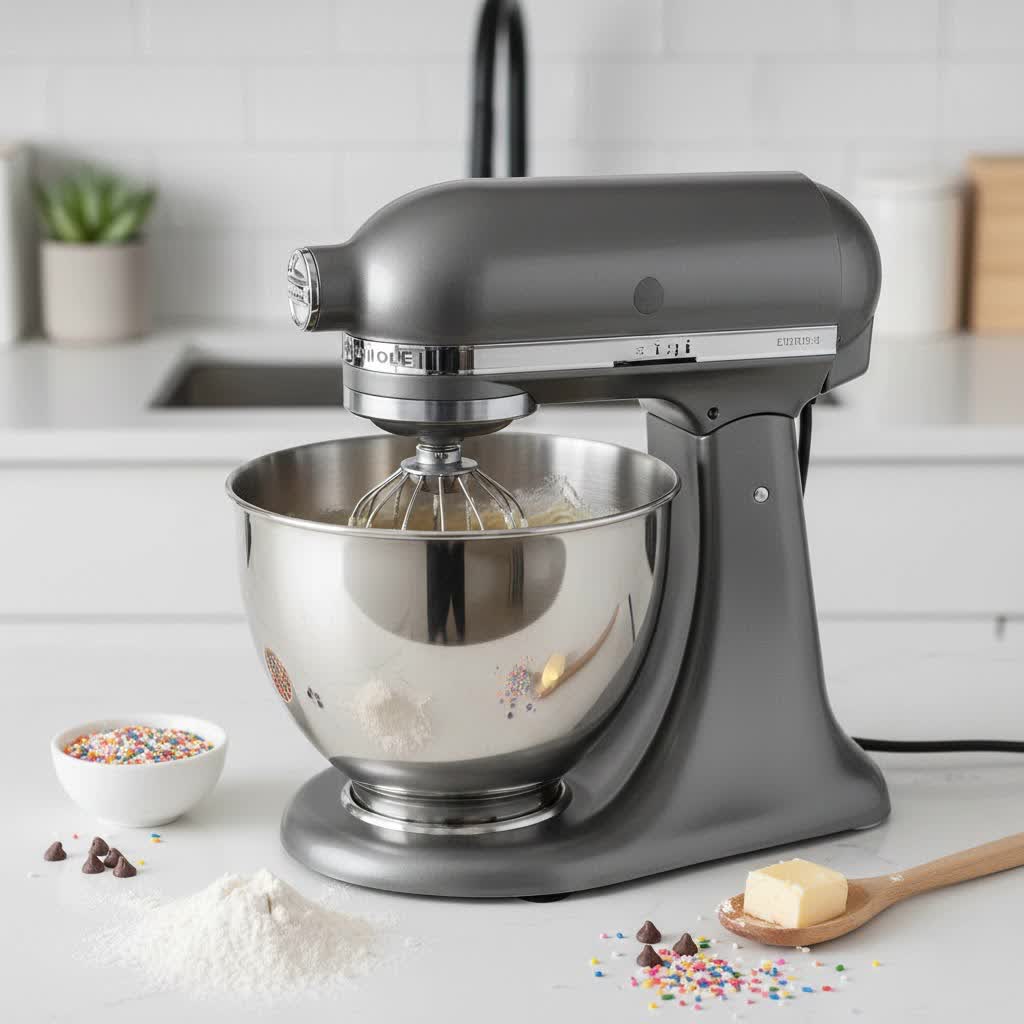
Planetary mixers derive their name from their distinctive mixing motion, where the mixing attachment (like a dough hook, paddle, or whisk) rotates on its own axis while simultaneously orbiting around the inside of a stationary bowl, much like planets orbiting the sun. This dual action is designed to ensure comprehensive coverage and thorough mixing of all ingredients within the bowl.
- How They Work: The central shaft remains static while the head, containing the attachment, moves in a circular path. The attachment itself also spins, creating a thorough and dynamic mixing environment.
- Ideal Uses: Planetary mixers are celebrated for their unmatched versatility. They are truly “all-purpose” machines capable of a wide array of tasks. They excel at mixing various batters for cakes, cookies, and muffins, whipping creams and egg whites to perfection, making frostings, and even mashing potatoes. While they can handle lighter doughs for pizzas and some breads, they are generally better suited for smaller batches or recipes that don’t require intense, prolonged kneading. Many planetary models also come with attachment hubs, allowing them to function as meat grinders, vegetable choppers, or pasta makers, further enhancing their utility in a kitchen.
- Pros:
- High Versatility: Excellent for a broad spectrum of culinary tasks beyond just dough.
- Space-Saving Options: Available in compact countertop models suitable for home kitchens.
- Cost-Effective: Generally more affordable for comparable capacities, especially for home use.
- Interchangeable Attachments: A single machine can perform multiple functions with different tools.
- Cons:
- Limited for Heavy Doughs: Can struggle with large quantities or very dense, low-hydration doughs, potentially straining the motor and leading to overheating.
- Higher Heat Generation: The faster, more aggressive mixing action can generate more friction and heat, which might negatively impact the delicate gluten structure and fermentation of certain doughs.
- Longer Mixing Times for Dough: Achieving optimal gluten development for bread doughs often takes longer compared to spiral mixers, increasing the risk of overworking or heating the dough.
- Dough Climbing: Without a breaker bar, dough can sometimes climb the hook, requiring manual intervention.
|
Our Picks for the Best Stand mixer in 2026
As an Amazon Associate I earn from qualifying purchases.
|
||
| Num | Product | Action |
|---|---|---|
| 1 | Kitchen in the box Stand Mixer,3.2Qt Small Electric Food Mixer,6 Speeds Portable Lightweight Kitchen Mixer for Daily Use with Egg Whisk,Dough Hook,Flat Beater (Black) |

|
| 2 | Martha Stewart Tilt-Head Stand Mixer, 12 Speed, 5.3QT Stainless Steel Bowl, Splash Guard with Pour Chute, Whisk, Dough Hook, Flat Beater, Electric Kitchen Baking Mixer, Bread, Cake, Whip, Linen White |
|
| 3 | KitchenAid Artisan Series 5 Quart Tilt Head Stand Mixer, KSM150PS, Juniper |
|
| 4 | Hamilton Beach Electric Stand Mixer, 4 Quarts, Dough Hook, Flat Beater Attachments, Splash Guard 7 Speeds with Whisk, Black |
|
| 5 | KitchenAid Classic Series 4.5 Quart Tilt-Head Stand Mixer K45SS, White |
|
| 6 | Hamilton Beach Electric Stand Mixer, 4 Quarts, Dough Hook, Flat Beater Attachments, Splash Guard, 7 Speeds with Whisk, Easy-Carry Top Handle, Red |
|
| 7 | Stand Mixer Body with Stainless Steel Cladding Pro-Grade Powerful Kitchen Mixer for Baking Bread Dough Cake 10+p Speed Tilt-Head Electric Food Mixer With 6.5QT Bowl Dough Hook Wire Whisk Flat Beater |
|
| 8 | Stand Mixer, Kitchen in the box 3.2Qt Small Electric Food Mixer,6 Speeds Portable Lightweight Kitchen Mixer for Daily Use with Egg Whisk,Dough Hook,Flat Beater (Purple) |
|
| 9 | KitchenAid Classic Series 4.5 Quart Tilt-Head Stand Mixer K45SS, Onyx Black |
|
| 10 | Camic Stand Mixer, 4.2QT+5.3QT Two bowls Electric Food Mixer, 10 Speeds with Digital setting 3-IN-1 Kitchen Mixer for Baking Cakes Cookie Bread Salad with Egg Whisk,Dough Hook,Flat Beater (Black) |
|
Spiral Mixers: The Dough Specialist
Spiral mixers are purpose-built machines specifically engineered for kneading dough, particularly heavy, dense, and high-hydration varieties. Their design mimics the gentle yet effective action of hand-kneading, optimizing gluten development.
- How They Work: In a spiral mixer, a spiral-shaped dough hook remains relatively stationary while the mixing bowl itself rotates (often in both directions). Many designs also incorporate a “breaker bar” or a central column within the bowl. This combined action—the rotating bowl, the spiral hook, and the breaker bar—gently stretches and folds the dough, ensuring thorough and even mixing without excessive friction.
- Ideal Uses: Spiral mixers are the undisputed champions for anyone primarily focused on dough production. They are the preferred choice for commercial bakeries, pizzerias, and artisan bread makers. They excel at crafting perfectly kneaded doughs for sourdough, ciabatta, bagels, pizza, and all types of artisan breads, ensuring superior texture, elasticity, and crumb structure. Their ability to handle large quantities efficiently makes them indispensable in high-volume settings.
- Pros:
- Superior Dough Quality: Delivers excellent gluten development with minimal overworking, resulting in consistently better texture and elasticity.
- Lower Heat Generation: The gentle mixing action creates less friction and heat, preserving the dough’s integrity and preventing premature fermentation.
- Highly Efficient for Dough: Significantly reduces mixing times for heavy doughs compared to planetary mixers.
- Large Capacity: Designed to handle substantial batches of dough, making them ideal for commercial operations.
- Durability and Low Maintenance: Often built with robust materials and simpler mechanics, leading to a longer lifespan and less frequent repairs.
- Cons:
- Limited Versatility: Almost exclusively designed for dough; they are not suitable for tasks like whipping cream, beating eggs, or mixing light batters.
- Higher Initial Cost: Generally a more significant investment, especially for commercial-grade models.
- Larger Footprint: Typically bulkier and require more dedicated space, making them less practical for smaller home kitchens.
- Specialized Use: May be “overkill” for casual home bakers who need a multi-purpose machine.
Choosing Your Ideal Mixer: A Buying Guide
The decision between a planetary and a spiral mixer ultimately hinges on your specific needs, the types of food you prepare, and your operational scale.
- Assess Your Needs:
- Home Baker with Varied Interests: If you love making cakes, cookies, meringues, and occasional loaves of bread, a versatile planetary mixer is likely your best bet. Its adaptability allows you to explore diverse recipes without needing multiple specialized appliances.
- Dedicated Bread or Pizza Maker (Home or Small Business): If your passion or business revolves primarily around producing high-quality, high-volume bread or pizza dough, a spiral mixer will be a game-changer. It will deliver consistency and quality that planetary mixers often cannot match for these specific applications.
- Commercial Bakery or Pizzeria: For high-volume professional environments, a spiral mixer is almost always the superior choice for dough production due to its efficiency, capacity, and ability to maintain dough integrity. Planetary mixers can still serve a role for secondary tasks like fillings or batters.
- Consider Types of Food:
- Diverse Menu (Batters, Whipped Cream, Dough): Planetary mixer.
- Primarily Dough-Based Products (Artisan Bread, Pizza, Bagels): Spiral mixer.
- Batch Size and Frequency:
- Small, Infrequent Batches: Planetary mixer.
- Large, Frequent Batches of Dough: Spiral mixer.
- Space and Budget:
- Limited Space, Tighter Budget: Planetary mixers offer more compact and affordable options.
- Ample Space, Willing to Invest for Specialization: Spiral mixers, while larger and more costly, offer unparalleled performance for their niche.
Side-by-Side Comparison: Planetary vs. Spiral Mixers
To simplify your decision, here’s a quick overview of how these two mixer types stack up against each other:
| Feature | Planetary Mixer | Spiral Mixer |
|---|---|---|
| Mixing Action | Attachment orbits bowl while rotating itself; static bowl. | Spiral hook rotates; bowl also rotates; often includes a breaker bar. |
| Primary Use | Versatile; batters, creams, light doughs, sauces. | Specialized; heavy doughs (bread, pizza, bagels). |
| Dough Capacity | Varied; better for small to medium batches of lighter dough. | High; ideal for large batches of heavy dough. |
| Heat Generation | Higher due to friction and speed. | Lower due to gentle, efficient kneading. |
| Versatility | High; often considered “all-purpose.” | Low; specialized for dough. |
| Gluten Development | Good for lighter dough; slower for heavy dough. | Excellent; faster and more consistent for heavy dough. |
| Cost | Generally more affordable. | Generally higher initial investment. |
| Footprint | Available in compact sizes. | Typically bulkier, requires more space. |
| Motor Strain | Can strain with heavy/large dough batches. | Designed to handle heavy dough without strain. |
Top Considerations for Specific Needs
While we won’t delve into specific models, understanding which type of mixer aligns with common baking scenarios can guide your choice.
- For the Aspiring Bread Baker: If you dream of mastering artisan sourdoughs, crafting perfect pizzas, or baking large quantities of fresh bread, a spiral mixer is undoubtedly the superior choice. Its gentle yet powerful kneading action will lead to better gluten development, preventing overheating and ensuring a consistent, high-quality product every time.
- For the Versatile Home Chef: If your kitchen repertoire includes everything from delicate meringues and fluffy cakes to homemade pasta and occasional bread, a robust planetary mixer with multiple attachments offers the best all-around utility. Look for models with strong motors and various speed settings to handle different textures.
- For Commercial Operations (Bakery/Pizzeria): In a professional setting where consistency, volume, and efficiency are paramount, spiral mixers are essential for dough production. For other tasks like cake batters, fillings, or sauces, commercial-grade planetary mixers would complement the spiral mixer perfectly, creating a comprehensive mixing setup.
Maintenance and Care for Optimal Performance
Regardless of the mixer type you choose, proper care and maintenance are vital to ensure longevity and optimal performance.
- Regular Cleaning: Always clean your mixer thoroughly after each use. For planetary mixers, detach and wash all accessories (bowl, paddle, whisk, hook) promptly. For spiral mixers, ensure the bowl and spiral arm are cleaned well, especially if they are fixed. Many bowls and removable parts are dishwasher-safe, but always check manufacturer instructions.
- Avoid Overloading: This is particularly crucial for planetary mixers when working with dough. Respect the manufacturer’s maximum capacity guidelines for flour and overall dough weight to prevent motor strain and premature wear. Spiral mixers are designed for heavy loads but should still be used within their specified limits.
- Inspect Attachments: Regularly check your attachments for any signs of wear or damage. Replace them if necessary to maintain mixing efficiency and prevent damage to the mixer itself.
- Motor Care: Ensure adequate ventilation for the motor, especially during long mixing sessions. If you notice your planetary mixer’s motor heating up or struggling with dough, give it a break to cool down. Spiral mixers are designed to run cooler, but still benefit from proper usage.
Mixers and Food Safety
Food safety is paramount in any kitchen. Choosing a mixer made from high-quality, food-grade materials, such as stainless steel, is essential. Stainless steel bowls and attachments are durable, non-reactive, and easy to sanitize, preventing bacterial growth and ensuring your food remains safe and delicious. Always ensure all parts that come into contact with food are cleaned according to hygienic standards to prevent cross-contamination.
In the intricate world of baking, the choice between a planetary and a spiral mixer is more than just a preference; it’s a strategic decision that shapes the quality, efficiency, and enjoyment of your culinary endeavors. By understanding the distinct engineering and applications of planetary and spiral mixing, you empower yourself to select the perfect partner for your kitchen, ensuring every batch you create is a masterpiece.
Frequently Asked Questions
What is the primary difference in mixing action?
Planetary mixers feature an attachment that rotates on its axis while orbiting a stationary bowl, offering broad versatility. Spiral mixers utilize a rotating bowl and a stationary or rotating spiral hook, specifically designed for highly efficient dough kneading.
Which mixer is better for bread dough?
For bread dough, especially large or heavy batches, a spiral mixer is superior. Its design promotes excellent gluten development with less heat and greater efficiency, leading to higher quality bread.
Can a planetary mixer handle heavy dough?
While a planetary mixer can mix lighter doughs, it may struggle with very heavy or large batches, potentially overheating the motor and compromising dough quality. It’s best suited for smaller quantities of dough.
Are spiral mixers only for commercial use?
While widely used commercially, smaller countertop spiral mixers are available for serious home bakers who frequently make large quantities of bread, pizza, or bagel dough.
Which mixer is more versatile for various kitchen tasks?
A planetary mixer is significantly more versatile, capable of handling a wide range of tasks including whipping, beating, and mixing various batters, in addition to some doughs. Spiral mixers are specialized almost exclusively for dough.