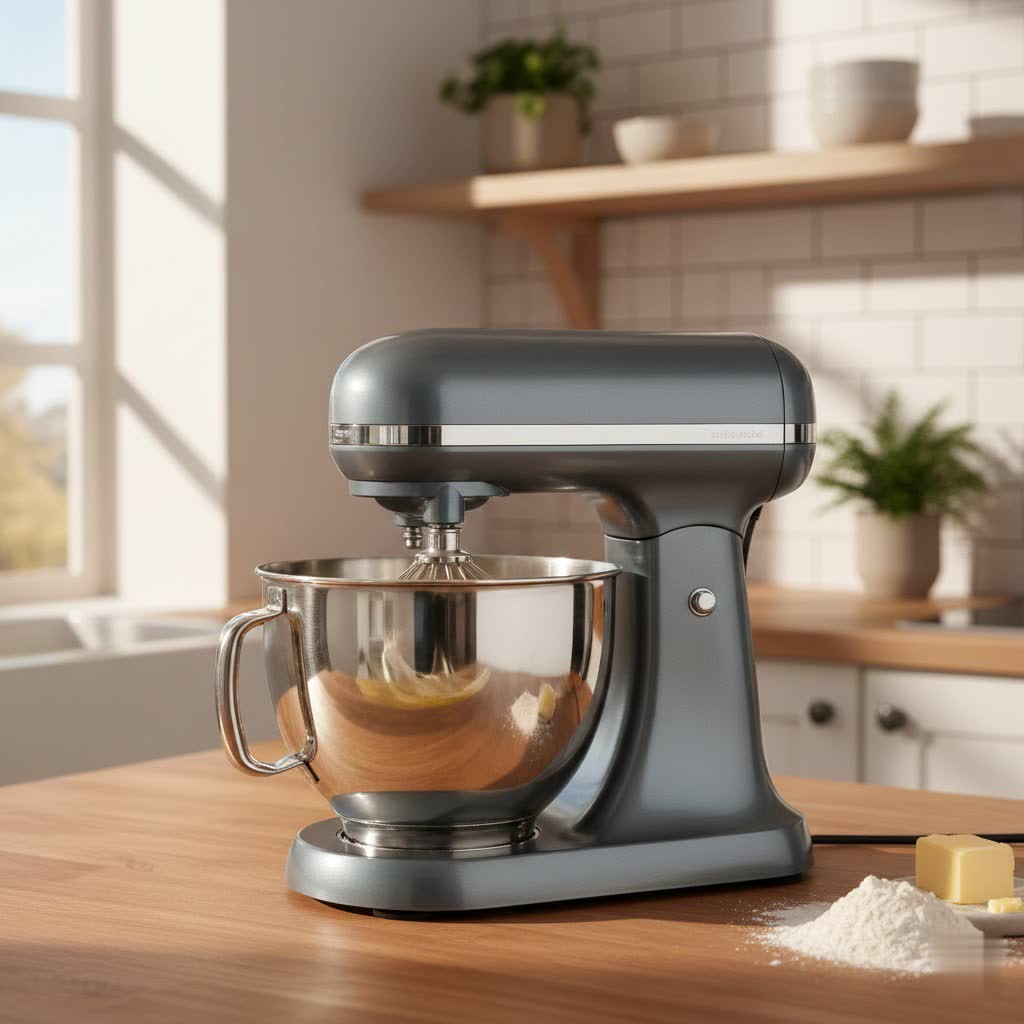
Whipping up a batch of perfect meringue can feel like a culinary tightrope walk. You need billowy, glossy peaks that hold their shape, a texture that melts delicately, and a consistency that screams perfection. While the fundamental ingredients—egg whites and sugar—seem simple enough, achieving that ethereal result often hinges on one crucial tool: the stand mixer. If you’ve ever battled a tired arm or inconsistent peaks with a hand mixer, you’re about to discover why this powerful kitchen workhorse is not just a convenience, but an absolute necessity for meringue mastery.
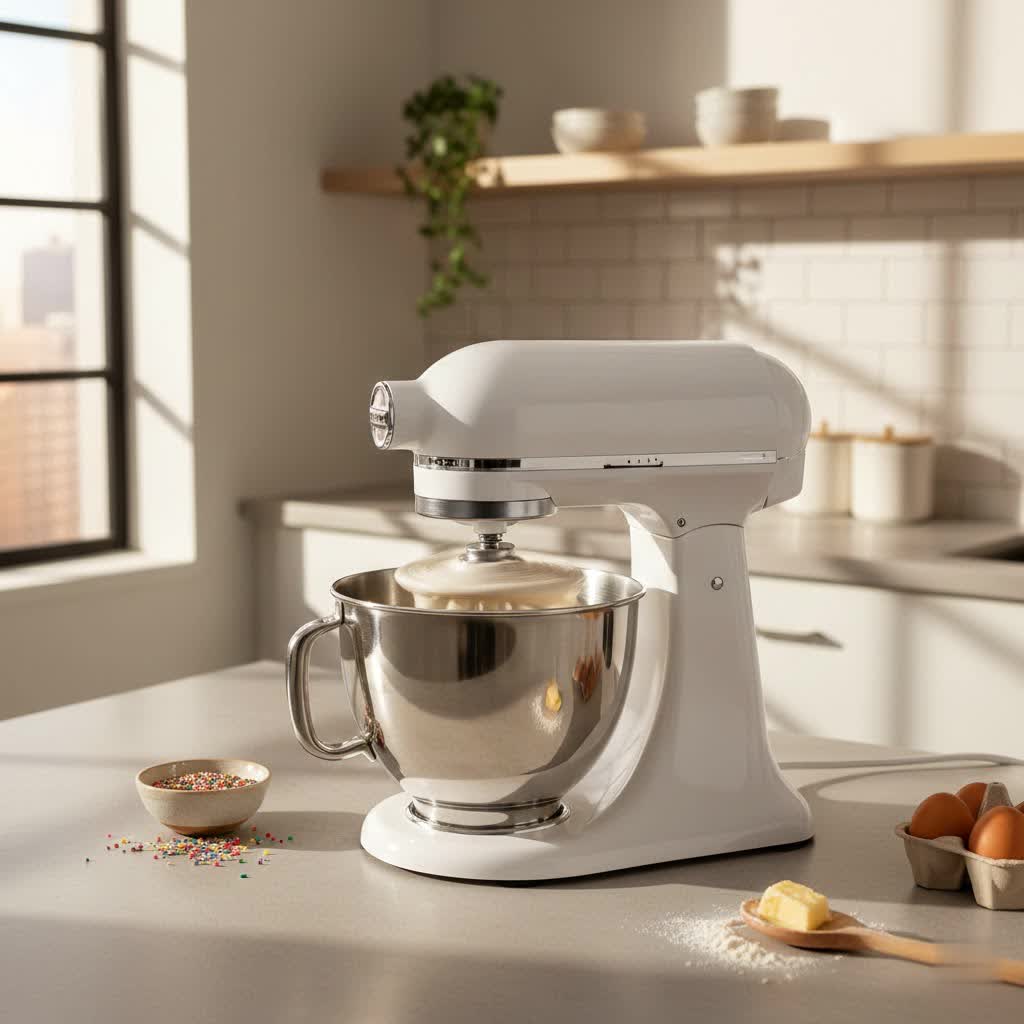
Understanding Meringue: The Science of Stiff Peaks
At its heart, meringue is a delicate foam created by whisking egg whites until they trap air, transforming from liquid to a voluminous, airy cloud. The proteins in egg whites unravel and then cross-link, forming a stable network that encapsulates tiny air bubbles. Sugar is gradually added to this mixture, stabilizing the foam, preventing it from collapsing, and giving it that characteristic glossy finish.
The magic of meringue lies in this precise aeration. Without enough air, or if the air isn’t incorporated consistently, your meringue will be flat, unstable, and weep. This process demands sustained, vigorous, and even whipping—a task that is incredibly challenging to achieve by hand and often inconsistent with less powerful tools.
Why a Stand Mixer is Your Meringue Master
A stand mixer isn’t just a convenience; it’s a game-changer for anyone serious about crafting flawless meringues. Its design and power address the core challenges of meringue making, elevating your results from good to genuinely exceptional.
Effortless Perfection and Consistent Results
Table is empty.The most immediate benefit of a stand mixer is its hands-free operation. Meringue requires continuous beating, often for several minutes, to reach the desired stiff peaks. With a stand mixer, you simply attach the whisk, set the speed, and let it do the hard work. This frees you to prepare other ingredients, clean up, or simply relax, eliminating the arm fatigue and inconsistent whipping that often plague manual methods. The consistent, steady rotation of the whisk ensures uniform aeration throughout the egg whites, which is paramount for a stable and beautiful meringue.
Superior Aeration and Volume
Stand mixers, particularly those with robust motors, are designed to incorporate a significant amount of air into mixtures quickly and efficiently. The planetary mixing action, where the whisk rotates on its axis while simultaneously orbiting the bowl, ensures that every part of the egg whites is thoroughly whipped. This superior aeration translates directly into greater volume and a lighter, airier texture, making your meringues truly spectacular.
Significant Time Savings
Attempting to whip egg whites to stiff peaks by hand can take anywhere from 10 to 20 minutes of strenuous effort. Even with a hand mixer, the process can be lengthy and tiresome. A good stand mixer can achieve perfect stiff peaks in a fraction of that time, often within 5 to 7 minutes for French meringues, allowing you to move on to the next steps of your recipe much faster.
Enhanced Stability and Structure
The consistent, powerful whipping of a stand mixer creates a much more stable meringue structure. This stability is crucial for delicate confections like macarons, pavlovas, and meringue toppings, which require the meringue to hold its shape during baking or refrigeration. A well-whipped meringue is less likely to collapse, weep, or deflate, giving you reliable results every time.
Multitasking Freedom
Imagine adding sugar gradually, one tablespoon at a time, while continuously whisking at high speed. It’s a two-handed job that’s incredibly awkward without the “third hand” a stand mixer provides. While your stand mixer diligently whips the egg whites, you can focus on gently raining in the sugar, monitoring the consistency, or even tackling other components of your dessert, making the entire baking process smoother and more enjoyable.
Choosing the Right Stand Mixer for Meringue Success
When selecting a stand mixer primarily for whipping meringues, certain features become paramount to ensure optimal performance.
Power (Wattage)
A robust motor is key. Look for stand mixers with at least 300 watts, and ideally 500 watts or more, especially if you plan to make larger batches. A powerful motor can maintain high speeds without bogging down, even as the meringue thickens, ensuring efficient aeration.
Whisk Attachment
Every stand mixer comes with a whisk attachment, but their quality can vary. A well-designed whisk with plenty of thin wires will incorporate air more effectively. Ensure the whisk reaches close to the bottom and sides of the bowl to prevent unmixed portions.
Bowl Capacity and Design
Consider the amount of meringue you typically make. A 4.5-quart to 6-quart bowl is generally suitable for most home bakers. A tapered bowl design can sometimes aid in better contact between the whisk and smaller quantities of egg whites, though most standard bowls work perfectly fine with adequate volume. Stainless steel bowls are preferred for hygiene and durability.
Stability and Durability
High-speed whipping can cause less sturdy mixers to wobble or even “walk” across the counter. A stand mixer with a heavy, stable base and durable construction is essential for safe and effective meringue making. Die-cast metal bodies often indicate greater stability.
Speed Settings
Multiple speed settings, including a slow start and a powerful high setting, offer precise control. A slow speed helps gently break up egg whites initially, while higher speeds are crucial for building volume and stiff peaks.
Stand Mixer vs. Hand Mixer: The Meringue Showdown
While both stand mixers and hand mixers are electric, their capabilities for meringue making differ significantly.
| Feature | Stand Mixer | Hand Mixer |
|---|---|---|
| Effort | Hands-free, effortless | Manual holding, arm fatigue |
| Consistency | Highly consistent aeration | Varies with user, can be inconsistent |
| Speed | Powerful, sustained high speed | Often less powerful, can overheat or bog down |
| Volume & Stability | Superior volume, highly stable meringue | Good for small batches, less stable for large |
| Multitasking | Allows other prep during mixing | Requires constant attention |
| Batch Size | Ideal for all batch sizes, especially large | Best for small batches; cumbersome for large |
| Control | Precise speed settings, consistent motion | Manual control, potential for uneven whipping |
For meringues, the stand mixer unequivocally offers a superior experience and outcome. The ability to whip consistently at high speeds without manual intervention provides unmatched volume, stability, and ease, especially when dealing with recipes requiring sustained beating. While a hand mixer can technically make meringue, it requires significant patience and physical exertion, and the results may not be as consistently perfect.
Mastering Meringue with Your Stand Mixer
Achieving perfect meringue with your stand mixer is straightforward once you know a few key techniques.
- Start with Cleanliness: Ensure your mixing bowl and whisk attachment are impeccably clean and completely grease-free. Even a tiny speck of oil can prevent egg whites from whipping properly. Wiping the bowl with a little lemon juice or vinegar before starting can help.
- Room Temperature Egg Whites: Separate egg whites carefully, ensuring no yolk contaminates them. Let them come to room temperature for about 30 minutes. Room temperature whites whip faster and achieve greater volume.
- Initial Whip: Begin whipping the egg whites on a medium-low speed (e.g., speed 2-4 on a KitchenAid) until they become frothy and foamy. This gently aerates them and helps them unfold properly.
- Add Stabilizers (Optional): If your recipe calls for it, add a pinch of cream of tartar (about 1/8 teaspoon per 2-3 egg whites) at the frothy stage. This acid helps stabilize the egg white foam, making it stronger and less prone to collapse.
- Gradual Sugar Addition: Once soft peaks begin to form (the meringue holds a shape but flops over), gradually add your sugar, one tablespoon at a time, with the mixer running. This allows the sugar to dissolve properly into the egg whites without deflating the foam. Rushing this step can result in gritty, unstable meringue.
- Whip to Stiff Peaks: Increase the mixer speed to medium-high (e.g., speed 6-8) and continue whipping until the meringue is glossy and forms firm, stiff peaks. When you lift the whisk, the peaks should stand straight up without collapsing. Be careful not to over-whip, which can cause the meringue to become dry and grainy.
- Test for Dissolved Sugar: Rub a small amount of meringue between your fingers. If it feels smooth, the sugar has dissolved. If it’s grainy, continue whipping until smooth.
Caring for Your Stand Mixer: Meringue Edition
Proper care of your stand mixer ensures its longevity and maintains its performance, especially after delicate tasks like meringue making.
Cleaning the Whisk and Bowl
Always clean your whisk attachment and mixing bowl immediately after use. Meringue, once dried, can be sticky and difficult to remove. Most stainless steel bowls and whisk attachments are dishwasher- safe, but always check your manufacturer’s instructions. For stubborn residue, a soak in warm, soapy water works wonders.
General Maintenance and Hygiene
Wipe down the mixer body with a damp cloth to remove any splatters. Ensure no food particles get trapped in the mixer’s head or base. Always unplug your mixer before cleaning. Regular cleaning not only keeps your appliance pristine but also ensures food safety, preventing cross-contamination in your baking.
Conclusion
For any serious baker, a stand mixer is an indispensable tool, and nowhere is its value more evident than in the delicate art of whipping meringues. It transforms a strenuous, often frustrating task into an effortless dance, consistently delivering the voluminous, stable, and glossy peaks that are the hallmark of perfect meringue. From the superior aeration and consistent whipping to the invaluable hands-free operation, the stand mixer empowers you to conquer meringue with confidence and achieve professional-quality results every single time. Investing in a quality stand mixer isn’t just buying an appliance; it’s unlocking a world of baking possibilities and ensuring your meringues are always the showstopper they’re meant to be.
Have you experienced the difference a stand mixer makes for your meringue? What’s your go-to meringue recipe?
Frequently Asked Questions
Can I make meringue with a hand mixer?
Yes, you can make meringue with a hand mixer, especially for smaller batches. However, it requires significantly more effort, time, and can be challenging to achieve the same level of consistent aeration and stability as a stand mixer.
How long does it take to whip meringue in a stand mixer?
The time varies depending on the recipe, the number of egg whites, and your mixer’s power, but typically it takes about 5-7 minutes to reach stiff peaks for French meringue, and slightly longer for Swiss or Italian meringues which involve heating the egg whites.
What causes meringue to weep or collapse?
Meringue can weep or collapse due to several factors, including grease in the bowl, over-whipping, under-whipping, not adding sugar gradually enough, or humidity. A Stand Mixer helps mitigate many of these issues by providing consistent and powerful whipping.
What speed should I use on my stand mixer for meringue?
Start on a medium-low speed until the egg whites are frothy, then gradually increase to medium-high (e.g., speed 6-8 on a KitchenAid) for whipping to stiff peaks. Avoid blasting it on the highest speed from the start, as a gradual increase promotes better aeration.
Do I need cream of tartar for meringue?
Cream of tartar, an acidic ingredient, acts as a stabilizer for egg whites, helping them hold their structure and volume. While not always strictly necessary, it is highly recommended, especially for beginners, to ensure a more stable and reliable meringue.