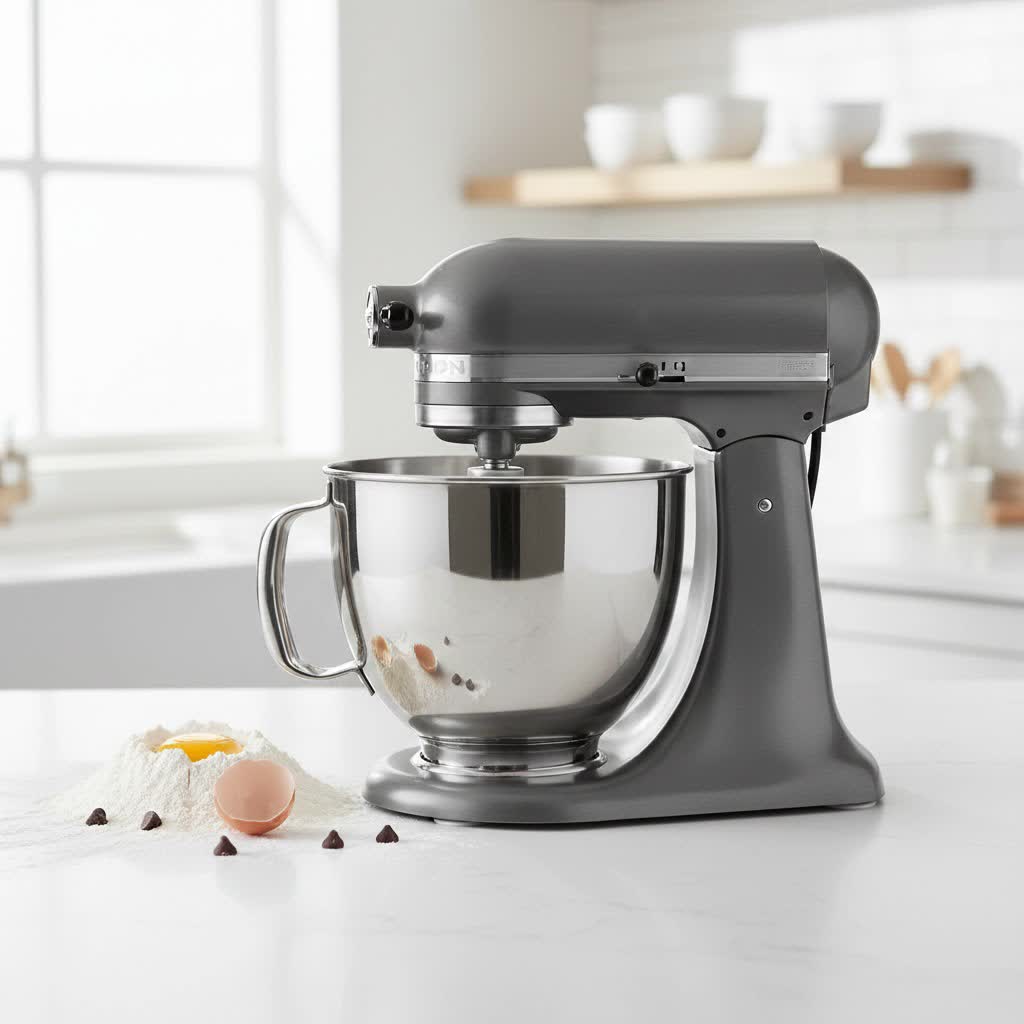
Every passionate home baker or culinary professional understands the stand mixer is the powerhouse of the kitchen. From whipping delicate meringues to kneading dense artisan bread dough, this workhorse is indispensable. But what truly dictates a stand mixer’s longevity and unwavering performance, especially under strenuous tasks? Often overlooked, the answer lies within its gears. Metal gears are not just a premium feature; they are the fundamental components that ensure your mixer endures years of heavy-duty use, delivering consistent power and exceptional durability.
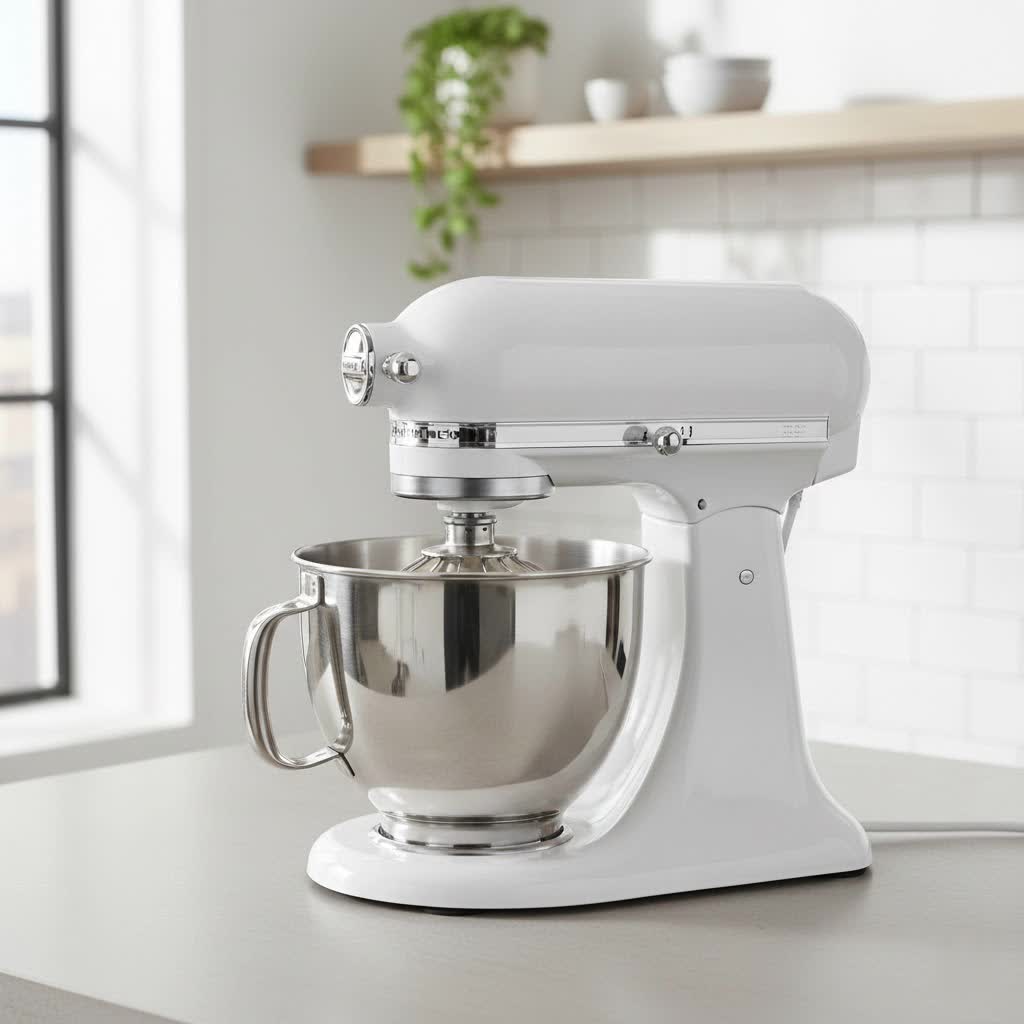
Understanding Mixer Gears: The Heart of Your Appliance
At its core, a stand mixer’s ability to transform raw ingredients into culinary masterpieces hinges on its intricate gear system. Gears are mechanical components that transmit power and motion from the motor to the mixing attachment. They convert the motor’s rotational energy into the kinetic energy required to mix, beat, and knead. The material composition of these gears significantly impacts the mixer’s output torque, speed, and, most critically, its overall lifespan.
The two primary materials used for mixer gears are metal and plastic (often a durable nylon composite). While both serve the same basic function, their performance, resilience, and longevity under varying loads differ dramatically. Understanding these differences is key to appreciating why metal gears are championed for truly long-lasting stand mixers.
The Unrivaled Strength of Metal Gears
Metal gears stand as a testament to durability and engineering prowess in stand mixers. Crafted typically from hardened steel or robust zinc alloys, these gears are designed to withstand immense pressure and continuous friction, which are inherent in tasks like kneading heavy bread doughs or mixing thick batters. Their inherent strength prevents bending, chipping, or stripping, common failure points found in less robust materials.
Moreover, metal gears excel in heat dissipation. Prolonged mixing sessions generate significant heat within a mixer’s gearbox. Unlike plastic, which can soften and deform under elevated temperatures, metal maintains its structural integrity, ensuring consistent performance and preventing premature wear. This resilience means a mixer with metal gears can tackle demanding recipes without faltering, providing peace of mind and reliable results every time.
The “Sacrificial” Plastic Gear: A Double-Edged Sword?
While metal gears offer superior strength, some mixer designs, particularly certain KitchenAid models, incorporate a plastic or nylon “worm gear.” This component is intentionally designed to be a sacrificial fuse. In the event of an extreme overload—such as attempting to knead an overly stiff dough—this plastic gear is engineered to strip or break. The theory is that this failure protects the more expensive motor and other metal gears from catastrophic damage. Replacing a plastic worm gear is generally cheaper and simpler than replacing an entire motor or gearbox.
However, this design comes with a trade-off. For users who frequently tackle heavy-duty tasks, such as baking multiple loaves of bread weekly, the “sacrificial” gear can become a recurring point of failure, leading to frustration and downtime. While it might protect the motor, it often means the mixer is less reliable for its most demanding applications. This creates a dilemma: a cheaper repair versus consistent, uninterrupted performance. For those prioritizing true longevity and robust performance without interruption, the benefits of all-metal gear construction often outweigh the perceived advantage of a sacrificial plastic component.
How Metal Gears Ensure Long-Lasting Mixer Performance
The presence of metal gears directly correlates with the extended lifespan and consistent, high-level performance of a stand mixer. Unlike plastic gears that are prone to wear, cracking, and stripping, especially when subjected to dense mixtures or extended operation, metal gears maintain their integrity. This translates into several critical advantages for the user:
- Consistent Power Delivery: Metal gears ensure efficient and unwavering power transfer from the motor to the attachment, even when working with the toughest ingredients. This consistency prevents the motor from straining and overheating, which can lead to premature failure.
- Reduced Wear and Tear: The hardness and durability of metal significantly reduce friction and abrasion between gears. This means less material degradation over time, fewer internal particles contaminating the grease, and a smoother, quieter operation for years.
- Reliability for Heavy Loads: For tasks like kneading bread dough, which puts immense stress on the gearbox, metal gears are indispensable. They resist deformation and breakage, allowing the mixer to handle large batches and stiff doughs without faltering, smoke, or the dreaded grinding sound of stripped gears.
- Overall Machine Longevity: By protecting the motor and other internal components from excessive strain and damage, metal gears contribute to the stand mixer’s overall lifespan, making it a true “buy-it-for-life” appliance.
“A stand mixer is only as strong as its weakest link. When that link is a robust, well-engineered metal gear system, you’re not just buying an appliance; you’re investing in decades of reliable culinary partnership.” – ReviewRM Lead Technician
Choosing a Mixer for Gear Durability (Buying Guide)
When investing in a stand mixer, particularly if heavy-duty tasks are on your agenda, prioritizing gear durability is paramount. Here’s what to look for:
- Identify Gear Material: This is often the trickiest part, as manufacturers don’t always advertise gear materials. Research specific models and read detailed reviews or consult appliance repair forums. High-end, commercial-grade, or “Pro” series mixers are more likely to feature all-metal gearboxes.
- Consider Motor Power: A powerful motor (measured in watts or horsepower, especially for DC motors) works in tandem with strong gears to handle tough jobs efficiently. A higher wattage usually indicates a mixer designed for more demanding use.
- Bowl-Lift vs. Tilt-Head Models: For frequent heavy-duty tasks like bread dough, bowl-lift designs are generally considered more stable and robust, often paired with more powerful motors and durable gear systems than their tilt-head counterparts.
- Reputation for Durability: Brands known for commercial-grade or long-lasting home appliances often signify a commitment to quality internal components. While specific models within a brand may vary, a strong overall brand reputation for durability is a good indicator.
- Warranty: A longer warranty, especially on the motor and internal components, can be a sign of a manufacturer’s confidence in their product’s durability.
Maintaining Your Mixer’s Gears for Extended Life
Even with robust metal gears, proper maintenance is crucial to maximize your stand mixer’s lifespan and ensure peak performance.
- Proper Lubrication: The gears operate within a grease-filled gearbox. Over time, this grease can dry out, harden, or become contaminated with metal particles, leading to increased friction and wear. Regular inspection and replacement of the gearbox lubricant (a specialized food-grade grease) can significantly extend the life of your gears and the entire mixer. This is especially important for mixers used frequently for doughs.
- Avoid Overloading: While metal gears are strong, they are not indestructible. Consistently pushing your mixer beyond its recommended capacity (e.g., trying to knead too much or too stiff dough) can still cause undue stress and premature wear on the gears and motor.
- Adhere to Speed Settings: Using appropriate speed settings for different tasks is vital. High speeds for very dense mixtures can strain the gears unnecessarily. Always follow the manufacturer’s guidelines for speed selection based on the attachment and ingredients.
- Regular Cleaning and Inspection: Keep the exterior of your mixer clean and periodically check for any unusual noises or vibrations during operation, which could indicate developing gear issues.
The Engineering & Material Science Behind Durable Gears
The selection of materials for mixer gears is a precise science aimed at balancing strength, wear resistance, and cost. High-quality metal gears are often made from materials like:
- Hardened Steel: Offers exceptional strength and resistance to abrasion, ideal for gears that bear significant load and experience high contact stress.
- Zinc Alloy: Provides good strength and can be cast into intricate shapes, offering a balance of performance and manufacturing efficiency.
- Bronze or Brass: Sometimes used for specific components, offering good wear resistance and lubricity.
These materials are chosen not only for their mechanical properties but also for their ability to withstand the dynamic forces within a mixer’s gearbox. The precise machining and assembly of these metal components ensure smooth operation, minimal backlash, and efficient power transmission, all contributing to a mixer’s long and productive life.
The Long-Term Value of Investing in Metal Gears
While stand mixers with all-metal gear systems might come with a higher initial price tag, they represent a significant long-term investment. Consider the cumulative cost of replacing plastic gears, repairing damaged motors due to stripped plastic components, or even buying an entirely new mixer every few years. A robust mixer with metal gears often outlasts multiple cheaper models, saving money, time, and frustration in the long run. It’s an investment in reliability, performance, and the joy of creating without interruption. For anyone serious about baking and cooking, choosing a mixer built with durable metal gears is a decision that pays dividends for decades.
Conclusion
The stand mixer is more than just an appliance; it’s a culinary partner that empowers creativity in the kitchen. The secret to a truly long-lasting and dependable mixer, capable of handling everything from light batters to tough bread doughs, lies unequivocally in its internal engineering, particularly the material of its gears. Metal gears provide the strength, heat resistance, and consistent performance necessary to withstand the rigors of heavy-duty use for many years. While plastic gears may offer a sacrificial element to protect motors in some designs, they often compromise the overall durability and reliability for demanding tasks. Investing in a stand mixer with robust metal gears is choosing unparalleled longevity, unwavering power, and peace of mind. It allows you to focus on the joy of creating, knowing your trusty mixer is built to last.
What’s the most challenging recipe you’ve tackled, and how did your mixer perform?
Frequently Asked Questions
Do all stand mixers have metal gears?
Table is empty.No, not all Stand Mixers feature all-metal gears. Many entry-level or mid-range models, including some popular brands, may incorporate plastic or nylon gears, particularly the worm gear, as a “sacrificial” component designed to break under extreme overload to protect the motor.
How can I tell if a stand mixer has metal gears?
Determining if a mixer has metal gears often requires detailed research, as manufacturers don’t always highlight this specification. Look for “all-metal gearbox” or “heavy-duty metal gears” in product descriptions, read expert reviews, or consult repair manuals and user forums for specific models. High-end, commercial, or “Pro Line” versions are more likely to have them.
Why do some mixers use plastic gears if metal is better for longevity?
Some manufacturers use plastic (often nylon) worm gears as a cost-effective design choice, intended to act as a mechanical fuse. In case of an extreme overload, the plastic gear strips, protecting the more expensive motor from damage. While this makes repairs cheaper, it means the mixer is more prone to gear failure under heavy use.
Can I replace plastic gears with metal gears in my stand mixer?
While aftermarket metal replacement gears exist for some models, it’s generally not recommended by manufacturers. Replacing a sacrificial plastic gear with a metal one can shift the point of failure to other, more expensive components like the motor or other gears, potentially leading to more severe and costly damage.
What kind of maintenance do metal gears need?
Metal gears require proper lubrication. Over time, the grease in the gearbox can degrade. Regularly inspecting and replacing the specialized food-grade grease (typically every few years, depending on usage) is crucial to minimize friction, prevent wear, and ensure the gears operate smoothly and quietly for their intended lifespan.