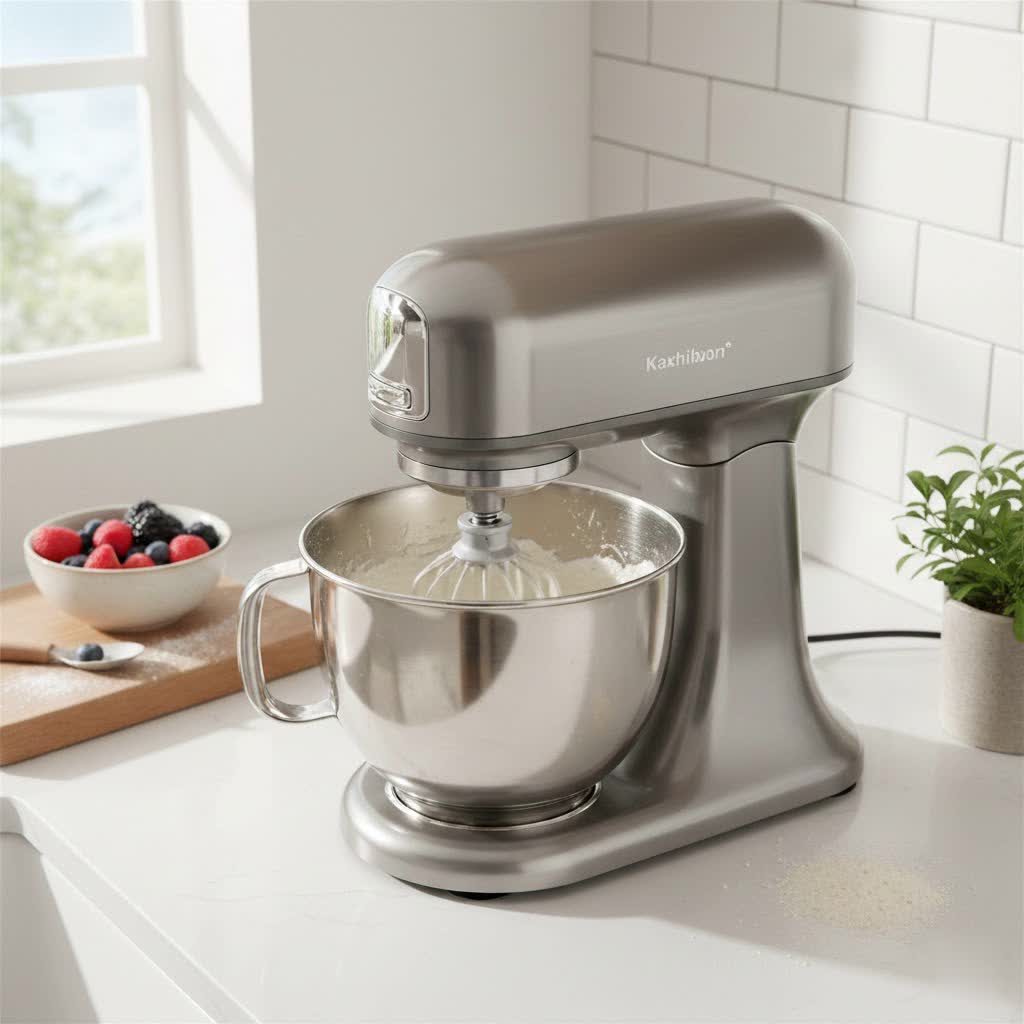
Are you struggling to achieve that perfect, elastic dough for your homemade bread, pizza, or pasta? Mastering your stand mixer’s dough hook can revolutionize your baking, yet many bakers wonder about the ideal speed setting for optimal results. This guide delves into the critical role of Speed 2 for effective dough hook usage, ensuring perfectly kneaded dough while prolonging your stand mixer’s life. We’ll explore why this specific speed is universally recommended by experts and manufacturers, how to identify perfectly kneaded dough, and essential tips for troubleshooting common issues.
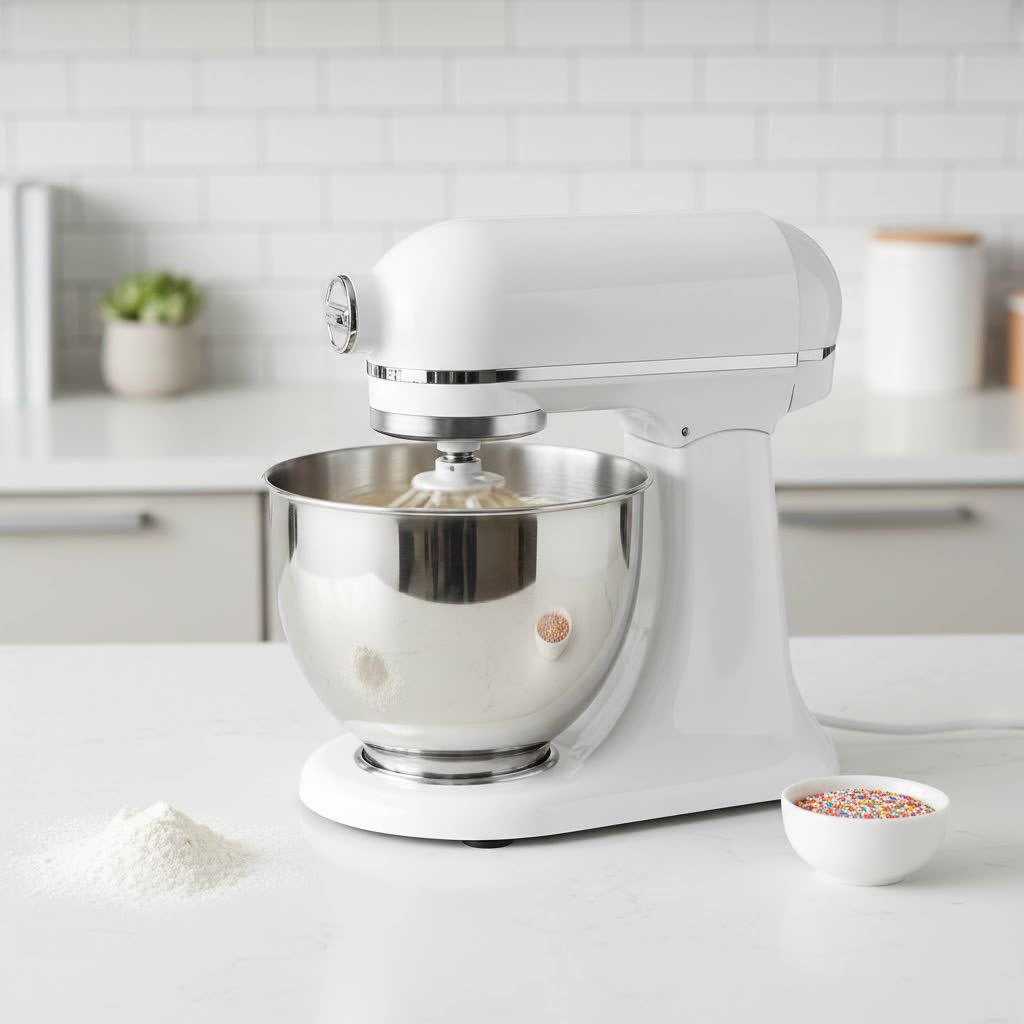
What is a Stand Mixer?
A stand mixer is a countertop appliance designed to automate repetitive tasks like mixing, whisking, and kneading. Equipped with a powerful motor and various attachments, it simplifies baking and cooking processes, saving significant time and effort compared to manual methods. From delicate meringues to robust bread doughs, a stand mixer handles a wide array of recipes, making it an indispensable tool for both amateur and seasoned home bakers.
While modern stand mixers boast a range of speeds and attachments, their core purpose remains consistent: to provide consistent, powerful mixing action. The dough hook, in particular, is engineered to simulate the stretching and folding motions of hand kneading, developing gluten in yeast-based doughs for structure and elasticity.
Understanding Stand Mixer Dough Hooks
The dough hook is one of the primary attachments for a stand mixer, specifically designed for kneading yeast doughs. You’ll typically encounter two main designs: the C-shaped hook and the spiral hook. The C-hook is often found on tilt-head mixers, while the more robust spiral hook is common on bowl-lift models, especially those designed for larger batches.
Regardless of its shape, the dough hook’s purpose is to gently pull, stretch, and fold the dough, promoting the development of gluten strands. Gluten is the protein network that gives bread its structure, elasticity, and chewiness. Without proper gluten development, your bread can turn out dense, crumbly, and lacking the desired texture.
Why Speed 2 is Crucial for Dough Hook Effectiveness
When using your stand mixer’s dough hook, most manufacturers, including prominent brands like KitchenAid, emphatically recommend using Speed 2. This isn’t an arbitrary guideline; it’s a critical instruction that impacts both your mixer’s longevity and the quality of your dough.
The primary reason for sticking to Speed 2 is motor protection. Kneading heavy, dense dough puts considerable strain on your stand mixer’s motor. Operating at higher speeds generates excessive heat and torque, which can quickly lead to motor overheating, gear damage, and ultimately, premature failure of your appliance. Think of it like driving a car up a steep hill in a high gear – it puts undue stress on the engine. Speed 2 provides the optimal balance of power and gentle motion needed to knead effectively without overworking the motor. Many seasoned bakers have learned this lesson the hard way.
“Many bakers don’t realize that using higher speeds for kneading can significantly reduce the lifespan of their stand mixer. Speed 2 is a safeguard for your machine.” – Admin of ReviewRM, Stand Mixer Technician
Beyond safeguarding your equipment, Speed 2 is also crucial for optimal gluten development.
- Too slow: Speeds lower than 2 might not provide enough agitation or momentum to properly work the dough. This can result in under-kneaded dough that lacks structure and elasticity, leading to a flat, dense final product.
- Too fast: Conversely, using speeds higher than 2 can quickly over-knead the dough. Over-kneading generates excessive friction and heat, which can damage the delicate gluten structure. This can lead to a tough, inelastic dough that is difficult to work with and results in bread with a poor texture, often described as crumbly or even rubbery. High speeds can also incorporate too much air too quickly, leading to oxidation that negatively impacts flavor.
Speed 2 strikes the perfect balance, allowing the dough hook to methodically stretch and fold the dough, gradually building that strong, elastic gluten network without tearing it apart or overheating the mixture. It’s a gentle yet consistent rhythm that encourages optimal development, leading to light, airy, and beautifully textured baked goods.
Preparing Your Dough for Stand Mixer Kneading
Before you even turn on your stand mixer, proper preparation of your dough ingredients is key to successful kneading. Start by combining all dry ingredients in the mixer bowl, then add wet ingredients. This ensures an even distribution.
For many recipes, an initial mix on the lowest speed (Speed 1 or even a ½ speed if available) is beneficial. This “stir” setting gently incorporates all the ingredients, preventing flour from flying out of the bowl and helping the mixture come together into a shaggy mass. Once the ingredients are roughly combined and no dry flour remains, you can then switch to Speed 2 for the actual kneading process.
The hydration level of your dough (the ratio of water to flour) significantly impacts how it kneads. Wetter, higher-hydration doughs might be stickier and take longer to develop, while stiffer doughs may come together more quickly. Always follow your recipe’s hydration guidelines closely, as deviations can lead to difficulty in kneading and affect the final texture.
Mastering the Kneading Process at Speed 2
With your stand mixer set to Speed 2, the dough hook will begin its work, transforming a shaggy mixture into a smooth, elastic ball. The key to successful kneading isn’t a strict timer, but rather observing the dough’s texture and appearance. While recipes often provide a kneading time range (typically 2 to 15 minutes, depending on the dough type and mixer), focusing on visual and tactile cues is more reliable.
Look for these signs of perfectly kneaded dough:
- Cleans the Sides of the Bowl: As the dough develops, it will gather around the dough hook and pull away from the sides and bottom of the mixer bowl, leaving them relatively clean.
- Smooth and Elastic: The dough surface should appear smooth, not shaggy or crumbly. When touched, it should feel elastic and slightly tacky, but not sticky to the point of clinging to your fingers.
- The Windowpane Test: This is the ultimate indicator of proper gluten development. Take a small piece of dough and gently stretch it with your fingers. If it can stretch thin enough to allow light to pass through without tearing, creating a “windowpane” effect, then your gluten is well-developed.
During the kneading process, it’s common for some unincorporated ingredients or stickier parts of the dough to cling to the sides of the bowl, especially in the initial stages. Don’t hesitate to pause your mixer, scrape down the sides of the bowl with a rubber spatula, and push the dough back towards the hook. This ensures all parts of the dough are evenly kneaded and incorporated. Repeat this as needed until the dough uniformly pulls away from the bowl.
Common Dough Hook Challenges and Solutions
Even with the correct speed, you might encounter some common issues when using your dough hook. Knowing how to troubleshoot these can save you frustration and ensure consistent results.
Dough Climbing the Hook
This is a frequent complaint, especially with wetter or smaller dough batches. The dough wraps around the hook and climbs up the shaft.
- Solution: For wetter doughs, you might need to add a tablespoon of flour at a time until the dough develops enough structure to cling to itself rather than the hook. For smaller batches, consider increasing the recipe yield if your mixer can handle it, or hand-kneading the initial stages to form a cohesive ball before transferring to the mixer. Sometimes, a quick scrape down and repositioning of the dough can also help.
Dough Not Getting Picked Up
If your dough just sits at the bottom of the bowl and isn’t being effectively kneaded by the hook, it could be a few things:
- Too Dry: The dough might be too stiff. Slowly add a small amount of liquid (water, milk) until it starts to come together and engage with the hook.
- Too Small a Batch: Similar to dough climbing, a batch that is too small for your mixer’s bowl size might not make enough contact with the hook.
- Incorrect Beater-to-Bowl Clearance: On some stand mixer models, especially bowl-lift types, the clearance between the attachment and the bowl can be adjusted. If the hook sits too high, it won’t properly engage the dough. Consult your mixer’s manual for instructions on checking and adjusting the “dime test” for the dough hook.
Over-Kneading
While less common at Speed 2, over-kneading can still occur if the dough is kneaded for an excessively long time.
- Signs: The dough will feel very tight, tough, and difficult to stretch. It may also tear easily during the windowpane test, rather than stretching thinly. The finished bread will be dense and chewy, sometimes even crumbly.
- Prevention: Focus on the visual and tactile cues mentioned above, rather than blindly following a timer. Stop kneading as soon as the dough passes the windowpane test and is smooth and elastic.
Under-Kneading
This is often the result of not kneading long enough or having too little momentum.
- Signs: The dough will appear shaggy, lack elasticity, and tear easily when stretched. It won’t pass the windowpane test. The final baked product will be dense, crumbly, and have a poor rise.
- Remedy: Continue kneading at Speed 2 until the desired texture and elasticity are achieved.
Beyond Speed 2: When and Why (Briefly)
While Speed 2 is the steadfast rule for kneading yeast doughs with a dough hook, you might encounter rare instances or anecdotal advice suggesting otherwise. It is crucial to remember that these are exceptions and often carry risks. Some bakers might briefly increase the speed to 3 or 4 for very sticky doughs to encourage it to gather, but this should be done cautiously and for very short durations. Prolonged use of higher speeds for kneading will still risk motor damage and overworking the dough. Always default to Speed 2 as your standard and consider carefully before deviating from manufacturer recommendations.
Maintaining Your Stand Mixer and Dough Hook
Proper care and maintenance will ensure your stand mixer and dough hook remain in excellent working condition for years.
- Cleaning: Always remove the dough hook immediately after use. Most dough hooks are dishwasher-safe, but always check your manufacturer’s instructions. For handwashing, warm, soapy water and a brush can easily remove any clinging dough. Ensure it’s completely dry before storing to prevent rust.
- Storage: Store attachments in a clean, dry place.
- Checking for Wear and Tear: Periodically inspect your dough hook for any signs of bending, chipping (especially on coated hooks), or damage that could affect its performance or introduce contaminants into your food.
Stand Mixer and Health
Using your stand mixer safely also contributes to a healthy kitchen. Always ensure your mixer and attachments are clean before and after use to prevent cross-contamination. Most modern stand mixer bowls and attachments are made from food-grade stainless steel, aluminum, or coated metals, all of which are safe for food contact. If you have older equipment or are purchasing new, verify the materials used to ensure they meet food safety standards. Regular cleaning not only maintains your appliance but also ensures hygienic food preparation.
Conclusion
Mastering the dough hook on your stand mixer, particularly by consistently using Speed 2, is a cornerstone of successful baking. This seemingly simple tip is paramount for both protecting your valuable appliance and achieving perfectly kneaded dough with ideal gluten development. By understanding the “why” behind Speed 2, observing your dough’s transformation, and knowing how to troubleshoot common issues, you unlock the full potential of your stand mixer. Embrace the rhythmic, gentle power of Speed 2, and you’ll consistently produce beautifully textured bread, pizza, and pasta. What is your favorite bread to knead with your stand mixer?
Frequently Asked Questions
Can I use a higher speed than 2 with my dough hook?
It is strongly recommended to only use Speed 2 for kneading dough with a dough hook. Higher speeds can strain and damage your Stand Mixer’s motor and quickly over-knead the dough, leading to tough, inelastic results. Stick to Speed 2 for optimal performance and mixer longevity.
How long should I knead dough with a stand mixer?
Kneading time varies significantly based on the recipe, type of flour, and hydration level, typically ranging from 2 to 15 minutes at Speed 2. Instead of relying solely on a timer, observe the dough’s texture: it should be smooth, elastic, slightly tacky, and clean the sides of the bowl.
What if my dough is too sticky or too dry?
If your dough is too sticky and climbs the hook or won’t release from the bowl, try adding flour one tablespoon at a time. If it’s too dry and not engaging the hook, add liquid (water, milk) slowly. Adjustments ensure the dough achieves the right consistency for effective kneading.
How do I know when my dough is perfectly kneaded?
A perfectly kneaded dough will be smooth and elastic, pulling away cleanly from the sides of the bowl. The most reliable test is the “windowpane test”: gently stretch a small piece of dough; if it forms a translucent membrane without tearing, your gluten is well-developed.
What are the benefits of using a dough hook?
The dough hook simplifies the laborious process of hand-kneading, saving time and effort. It consistently develops gluten, crucial for the structure and texture of yeast-based doughs, leading to lighter, airier, and more consistent baked goods like bread, pizza, and pasta.