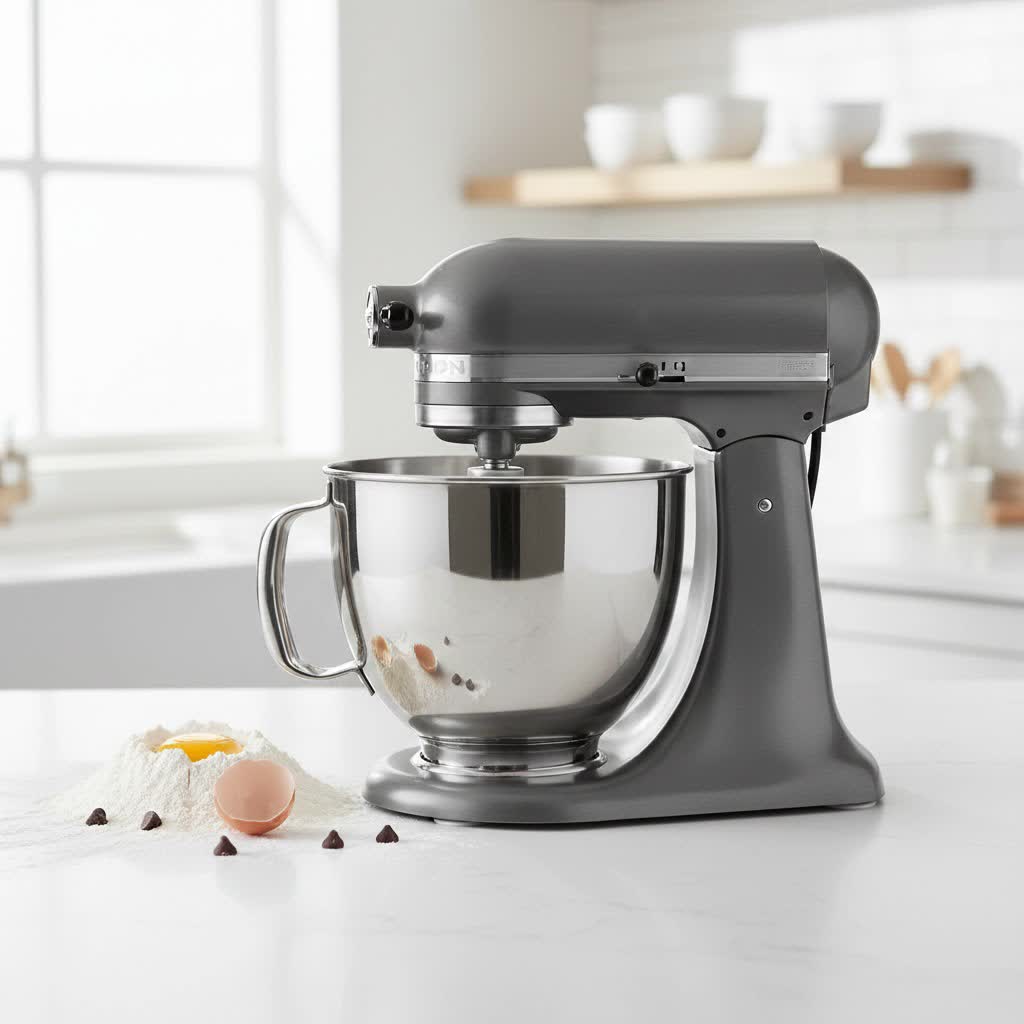
Has your trusty stand mixer lost its luster, or does its factory color no longer match your evolving kitchen aesthetic? Instead of investing in a brand new appliance, consider giving your existing stand mixer a vibrant, personalized makeover with a custom paint job. This DIY project is an excellent way to refresh an old, dingy mixer or infuse your culinary space with a pop of unique personality that perfectly complements your style. Embarking on this creative journey allows you to transform a functional tool into a true kitchen centerpiece, reflecting your individuality without breaking the bank.
Why Give Your Stand Mixer a Custom Paint Job?
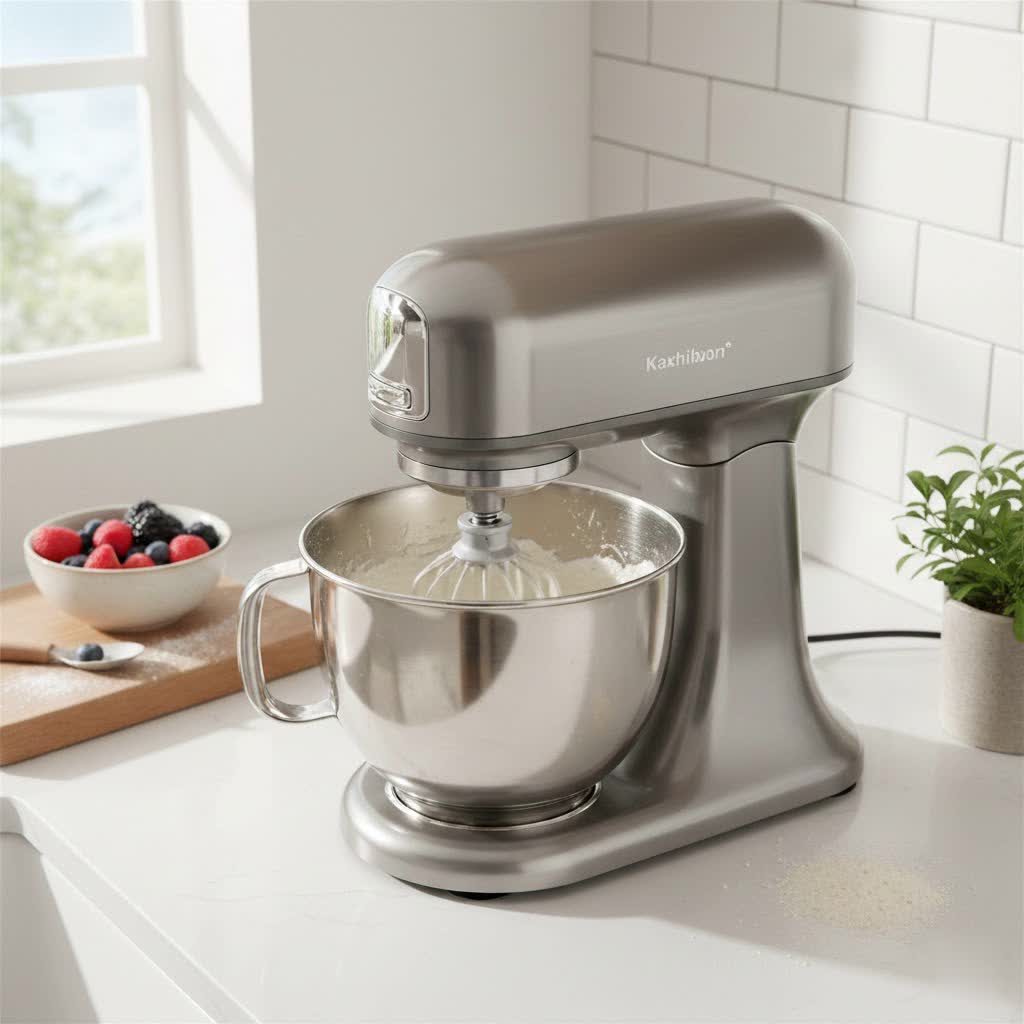
Many home bakers and culinary enthusiasts find themselves with a stand mixer that, while perfectly functional, doesn’t quite fit their desired kitchen vibe. A custom paint job offers an affordable and creative solution, far less expensive than purchasing a new mixer. You can refresh an outdated color, cover minor scratches and blemishes that accumulate over time, or simply experiment with bold new hues and finishes. The desire for personalization often drives this project, allowing you to create an appliance that truly feels like an extension of your unique taste and kitchen decor.
What You Need: Essential Tools and Materials
Before you begin, gathering all necessary supplies is paramount for a smooth and successful painting experience. Quality materials ensure a durable, professional-looking finish that you’ll be proud to display.
| Item | Description |
|---|---|
| Protective Gear | Safety glasses, gloves, and a respirator mask are crucial for protection against paint fumes and particles. Work in a well-ventilated area. |
| Degreasing Cleaner | An all-purpose cleaner or denatured alcohol to remove grease, grime, and residue. |
| Sanding Blocks/Paper | Medium-grit (around 120-220) sandpaper or a sanding block to scuff the original finish, promoting paint adhesion. Fine-grit (320-400) for between coats. |
| Painter’s Tape | High-quality painter’s tape (e.g., FrogTape or ScotchBlue) for masking off areas you don’t want painted. A utility knife or X-Acto knife is useful for precise cuts. |
| Plastic Sheeting/Drop Cloths | To protect your work surface and surrounding areas from overspray. |
| Screwdriver Set | For disassembling removable parts of your stand mixer. |
| Primer | A high-adhesion spray primer designed for metal surfaces. This helps the paint stick better and provides an even base, especially when changing a dark color to a light one. Rust-Oleum 2X Paint + Primer is a popular choice. |
| Spray Paint | Your chosen color in a durable spray paint specifically formulated for metal and appliances. Brands like Rust-Oleum Appliance Epoxy Enamel or Colorshot are often recommended for their adherence and finish quality. Consider a “paint + primer” option. |
| Clear Protective Top Coat | A clear enamel or polyurethane spray top coat (glossy or satin) to seal and protect your new paint job, enhancing durability and providing a professional sheen. Rust-Oleum Acrylic Enamel is a good option. |
| Small Detail Brush | For touching up small, intricate areas or around masked-off sections if needed. |
| Blocks of Wood/Elevators | To elevate the mixer, allowing you to paint the bottom edges easily without touching the wet surface. |
“The secret to a lasting stand mixer transformation lies not just in the color you choose, but in the quality of your preparation and materials,” advises Maria Rodriguez, DIY Appliance Specialist. “Don’t skimp on primer or a good clear coat – they’re the unsung heroes of a durable, beautiful finish.”
Preparing Your Stand Mixer: The Foundation for a Flawless Finish
The success of your stand mixer’s new look hinges almost entirely on meticulous preparation. Rushing this stage will inevitably lead to a subpar, less durable finish. Dedicate ample time to ensure each step is performed thoroughly.
Disassembly for Clean Lines
Table is empty.Begin by carefully disassembling your stand mixer. Remove all parts that are easy to take off and put back on, such as the attachment knob, the chrome band around the mixer head, the bowl lock, and the KitchenAid emblem if applicable. Many models have screws holding the chrome band in place, typically found at the back. It’s a wise practice to take photos from multiple angles during disassembly. These visual aids will be invaluable when reassembling your mixer, helping you remember where each screw and component belongs.
Thorough Cleaning and Degreasing
Next, ensure your mixer is completely free of any grease, grime, or food residue. Wipe down the entire mixer thoroughly with an all-purpose degreasing cleaner or denatured alcohol. Pay special attention to crevices, seams, and areas where food particles or oil might have accumulated over time. Any lingering dirt or grease will prevent the paint from adhering properly, leading to an uneven or peeling finish. Allow the mixer to dry completely before moving on to the next step.
Sanding for Adhesion
This step is critical for ensuring the new paint adheres firmly to the original surface. Using a medium-grit sanding block or sandpaper (around 120-220 grit), lightly scuff the entire exterior surface of the mixer. The objective is to remove the glossy sheen of the original finish, creating a slightly rough texture that the primer and paint can grip onto. You don’t need to sand down to bare metal, but rather just enough to dull the surface. After sanding, wipe down the mixer again with a clean, damp cloth or tack cloth to remove all sanding dust. Even tiny particles can compromise paint adhesion.
Masking Critical Areas
Meticulous masking is essential to protect parts you don’t want painted and to achieve crisp, clean lines. Use high-quality painter’s tape to cover the power cord, the speed control lever, the attachment hub (the front port where accessories connect), and any other knobs, labels, or internal components. If your mixer has motor vent holes, carefully tape them off to prevent paint from entering the internal mechanisms. For intricate areas like screws or emblems, you can press tape firmly over them and then carefully trim around the edges with a utility knife for a perfect fit. Remember, precision here directly impacts the final professional appearance.
The Art of Painting: Step-by-Step Application
With your mixer meticulously prepped, you’re ready for the transformative stage of painting. This process requires patience and a steady hand to achieve an even, factory-like finish.
Setting Up Your Workspace
Choose a well-ventilated area for painting, ideally outdoors on a calm, low-humidity day, or in a garage with open doors and fans. Lay down plastic sheeting or drop cloths to protect your workspace from overspray. Elevate your mixer on blocks of wood or a sturdy stand. This allows you to easily access and paint the bottom edges and ensures you don’t accidentally stick the wet mixer to your protective covering. Good lighting is also helpful to spot any missed areas or potential drips.
Priming Your Mixer
Even if using a “paint + primer” product, an initial coat of standalone primer designed for metal can offer superior adhesion and a more uniform base. Shake your primer can thoroughly for at least a minute. Apply a thin, even coat using sweeping motions, keeping the can about 8-12 inches (20-30 cm) from the mixer. Avoid lingering in one spot to prevent drips. Apply multiple light coats rather than one heavy one, allowing each coat to dry to the touch according to the manufacturer’s instructions, typically 15-30 minutes. This foundational layer creates the perfect canvas for your chosen color.
Applying Color Coats
Once the primer is dry, it’s time for the color. Shake your chosen spray paint well. Similar to priming, apply thin, even coats using sweeping motions from about a foot away. The key here is patience; it’s always better to apply several light coats than one or two heavy ones that can lead to unsightly drips and uneven coverage. Allow each coat to dry completely for at least 2 hours before applying the next. You’ll likely need 2-4 coats to achieve full, opaque coverage, especially if you’re painting a light color over a dark original finish. Lift the mixer head and rotate it to ensure you get into all crevices and under the head.
The Top Coat: Sealing and Protecting
After your final color coat has dried completely (preferably overnight), apply a clear protective top coat. This step is crucial for durability, protecting your paint job from chips, scratches, and everyday wear and tear, while also providing your desired sheen (glossy, satin, or matte). Shake the can well and apply several light, even coats, just as you did with the color paint. Some experts recommend lightly sanding with very fine-grit sandpaper (400 grit) between clear coats for an exceptionally smooth, professional finish. Follow the clear coat manufacturer’s instructions for drying times between coats.
Achieving a Professional Look: Tips and Troubleshooting
A truly professional finish comes from attention to detail and a willingness to learn from common challenges.
Patience and Precision
The most common mistake DIY painters make is rushing. Each coat of paint and primer needs adequate drying time. Don’t touch the mixer or apply the next coat until the previous one is truly dry to the touch. Precision in taping and consistent spray technique will yield cleaner lines and a smoother surface.
Avoiding Drips and Runs
Drips occur when too much paint is applied in one area. To prevent this, keep the spray can moving continuously, use light, sweeping motions, and maintain a consistent distance from the mixer. If you notice a drip, gently wipe it away quickly with a clean rag before it dries. If it has already started to set, you might need to let it dry completely, sand it down, and reapply.
Handling Missed Spots
After a few coats, you might spot small areas that didn’t get full coverage. For these, spray a small puddle of paint onto a piece of cardboard, then use a small detail brush to carefully touch up the missed spots. This allows for controlled application without overspraying surrounding areas.
Curing Time is Crucial
While your mixer may feel dry to the touch within hours, the paint needs significantly longer to fully cure and harden. This curing process can take several days, or even a week, depending on the paint type and environmental conditions. During this time, the paint is still vulnerable to dents, scratches, and fingerprints. Avoid handling the mixer excessively or reattaching parts until it has fully cured to ensure maximum durability.
“Many assume ‘dry to the touch’ means ‘ready to use,’ but paint needs time to chemically harden,” explains Chef Antoine Dubois, professional baker and appliance restorer. “Give your freshly painted mixer at least 72 hours, preferably a full week, before rigorous use. This patience pays dividends in longevity.”
Caring for Your Custom Stand Mixer
Once your stand mixer’s new coat has fully cured, proper care will help maintain its custom look for years to come.
Cleaning Your Painted Surface
Clean your painted stand mixer with a soft, damp cloth and mild dish soap. Avoid abrasive cleaners, harsh chemicals, or scouring pads, as these can dull the finish or even remove the paint. Gently wipe down the exterior as needed to keep it sparkling clean. For stubborn spots, a slightly more concentrated solution of soap and water applied with a soft sponge should suffice.
Durability and Touch-Ups
A well-prepped and painted mixer with a quality top coat should be quite durable. However, accidents happen. Keep a small amount of your chosen paint and clear coat on hand for any necessary touch-ups. Small chips or scratches can often be repaired discreetly with careful application, extending the life and beauty of your custom finish. Be mindful of knocking the mixer against other hard surfaces, especially in busy kitchen environments.
Is it Food Safe? Understanding Paint for Kitchen Appliances
When painting any kitchen appliance, particularly one like a stand mixer that comes into contact with food preparation, concerns about food safety are natural and important. It’s crucial to understand the distinction between paints for direct food contact and those for appliance exteriors.
Most commercially available spray paints suitable for metal and appliances, such as Rust-Oleum Appliance Epoxy Enamel, are designed for exterior use. This means they are safe once fully cured and are not intended for surfaces that will directly touch food. Your stand mixer’s painted body does not come into direct contact with ingredients or the mixing bowl during operation. Therefore, using these specialized appliance paints for the exterior is generally considered safe once the paint has completely off-gassed and cured.
Always ensure you work in a very well-ventilated area during both painting and the initial drying/curing phase to dissipate any VOCs (Volatile Organic Compounds) from the paint fumes. Once fully cured, the paint forms a stable, inert layer. If you are ever concerned about specific paints, check the manufacturer’s technical data sheets or contact their customer service for clarification on appliance-specific applications. For applications requiring direct food contact (which is not the case for a stand mixer’s exterior), specialized, often industrial, food-grade coatings certified by bodies like the FDA or NSF would be required.
Conclusion
Transforming your stand mixer with a custom paint job is a rewarding DIY project that offers a fresh look without the expense of a new appliance. By carefully following the steps for preparation, application, and finishing, you can achieve a durable, professional-quality result. From thorough cleaning and sanding to applying light, even coats of paint and a protective top coat, each stage plays a vital role in the final outcome. With a little patience and attention to detail, your personalized stand mixer will not only be a workhorse in the kitchen but also a stylish reflection of your unique taste.
What color will your stand mixer become next?
Frequently Asked Questions
Can I paint any stand mixer?
Most stand mixers with a metal or hard plastic exterior can be painted, with KitchenAid models being particularly popular for customization. The key is proper surface preparation, including cleaning and sanding, to ensure the paint adheres well. Always ensure removable parts are taken off before painting for a cleaner finish.
How long does the paint job last?
With proper preparation, quality paint, and a durable clear coat, a custom paint job can last for many years. The longevity depends on factors like the quality of materials used, the thoroughness of the application process, and how well the mixer is cared for after painting. A strong clear coat significantly boosts durability.
What kind of paint is best for a stand mixer?
For stand mixers, spray paints specifically designed for metal and appliances are recommended. Products like Rust-Oleum Appliance Epoxy Enamel or general-purpose spray paints with built-in primer that adhere well to metal provide a durable and attractive finish. A clear protective top coat is essential for longevity.
Is it safe to paint the inside of my stand mixer?
No, it is generally not recommended to paint the internal components or any part of the mixer that will come into direct contact with food or electrical components. Appliance paints are formulated for exterior surfaces. Always mask off the attachment hub, motor vents, and any other internal mechanisms.
What should I do if my paint job isn’t perfect?
Minor imperfections like small drips or uneven spots can often be corrected. For drips, let the paint dry completely, then gently sand the area smooth before reapplying a light coat. For missed spots, use a small brush with a bit of paint from a cardboard puddle for precise touch-ups. Patience is key for corrections.
Can I change the finish (e.g., from glossy to matte)?
Yes, you can change the finish of your Stand Mixer. The final sheen (glossy, satin, or matte) is primarily determined by the clear protective top coat you choose. Ensure your top coat clearly states the desired finish, and apply it evenly over your color coats for a consistent appearance.