Delicate, airy, and utterly delightful, meringue kisses are the sweet little clouds that can elevate any dessert table or simply serve as a light, guilt-free treat. But perfecting these ethereal confections requires precision, particularly when harnessing the power of your stand mixer’s whisk attachment. From achieving that signature glossy finish to ensuring a crisp, melt-in-your-mouth texture, this guide will walk you through every step to create flawless meringue kisses that are sure to impress.
What Exactly Are Meringue Kisses?
Meringue kisses are small, bite-sized cookies made primarily from whipped egg whites and sugar. Their characteristic light-as-air texture and often whimsical shapes make them a popular choice for celebrations, dessert garnishes, or simply a sweet indulgence. They are essentially dried meringues, baked at a very low temperature for an extended period, which removes moisture without browning them, resulting in a wonderfully crisp exterior and a slightly chewy, dissolvable interior.
Historically, meringue has been a staple in French patisserie, with its origins tracing back centuries. The process of whipping egg whites to incorporate air, then stabilizing them with sugar, forms a stable foam that can be piped into intricate designs and baked. The “kiss” shape, typically achieved with a star piping tip, gives these treats their charming name.
Understanding the Types of Meringue
While the core ingredients remain consistent, meringues can be prepared using a few different methods, each yielding slightly different characteristics. For meringue kisses, French meringue is the most common and straightforward, though Swiss meringue offers enhanced stability.
- French Meringue: This is the simplest and most common method. Raw egg whites are whipped until foamy, then granulated sugar is gradually added while continuing to whisk until stiff, glossy peaks form. It’s lighter and more delicate, making it ideal for piping.
- Swiss Meringue: For this method, egg whites and sugar are gently heated over a double boiler, whisking constantly until the sugar dissolves and the mixture reaches a specific temperature (around 160°F or 71°C). It is then removed from the heat and whipped until cool and stiff. Swiss meringue is denser, more stable, and less prone to weeping, offering a slightly more robust structure.
- Italian Meringue: This involves pouring hot sugar syrup (cooked to a soft-ball stage) into already whipped egg whites. It creates the most stable and dense meringue, often used for buttercreams and frostings, but generally less common for dried cookies like kisses.
For the purpose of making meringue kisses with a whisk attachment, we will primarily focus on the French meringue technique due to its simplicity and effectiveness.
Essential Tools for Meringue Kiss Success
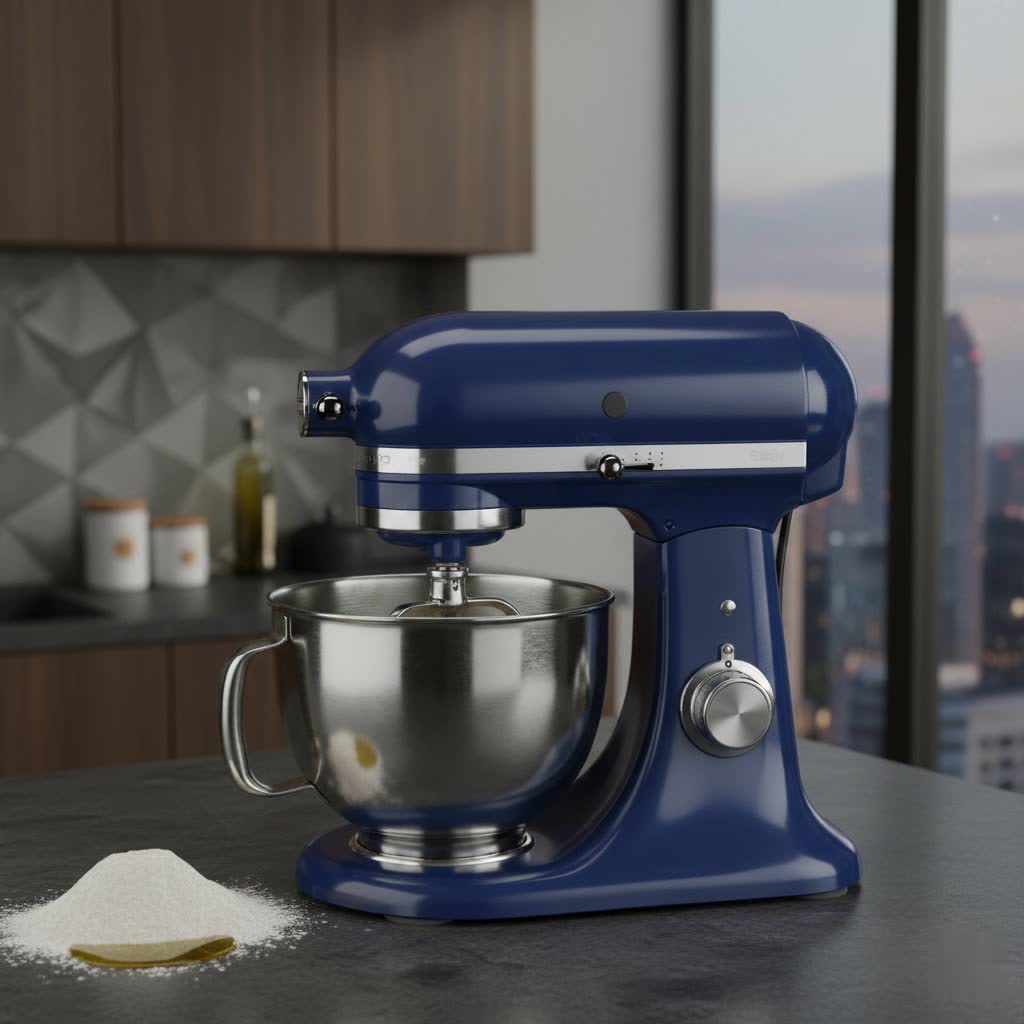
Having the right equipment is paramount for perfect meringue kisses. The star of the show is undeniably your stand mixer and its whisk attachment.
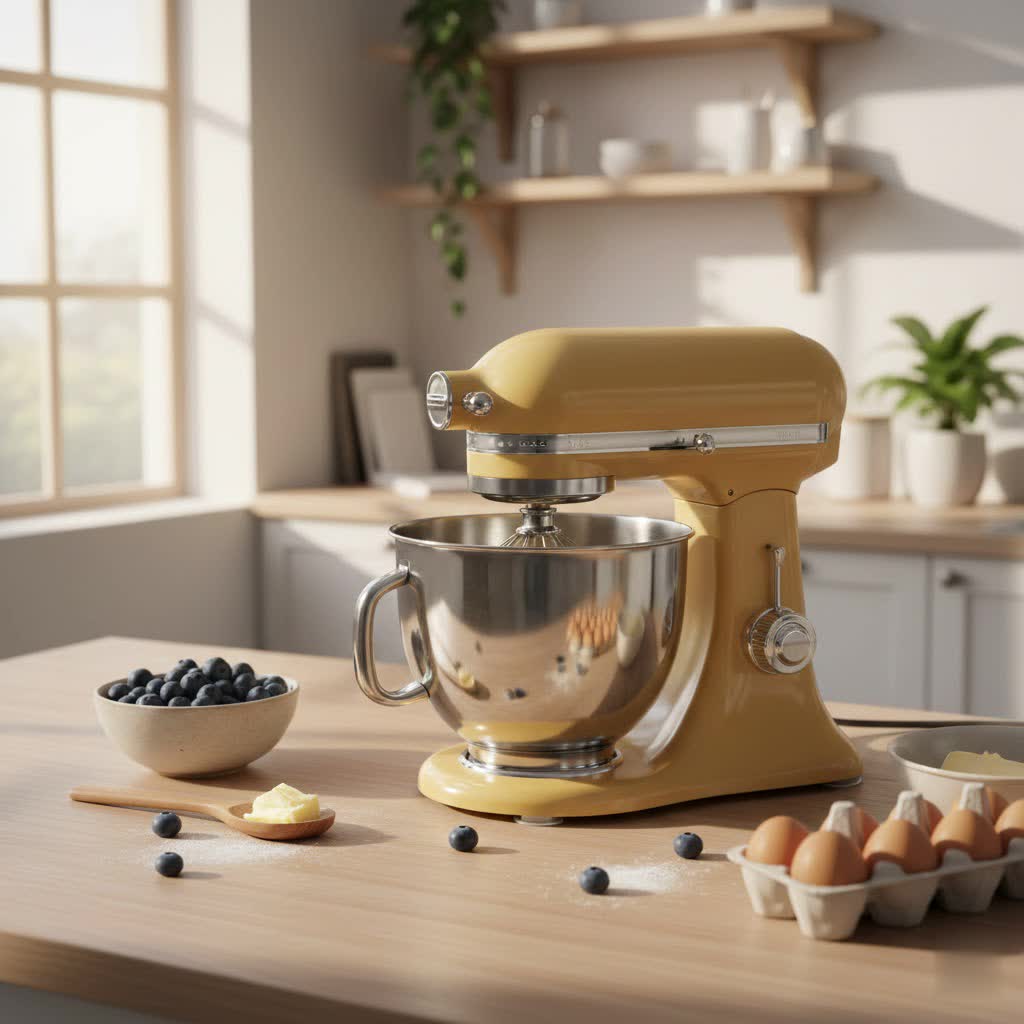
- Stand Mixer with Whisk Attachment: This is your best friend for meringue. The continuous, powerful whipping action of a stand mixer, combined with the aerating design of the whisk attachment, incorporates air quickly and efficiently into the egg whites, forming the stable foam required. A hand mixer can work, but a stand mixer offers superior results and frees your hands.
- Clean, Dry Mixing Bowl: This cannot be stressed enough. Any trace of grease, oil, or even water can prevent egg whites from whipping properly, resulting in a flat, runny meringue. Stainless steel or glass bowls are preferred over plastic, as plastic can retain residual grease. To be extra cautious, wipe your bowl and whisk with a paper towel dampened with lemon juice or white vinegar, then dry thoroughly.
- Parchment Paper or Silicone Baking Mats: These prevent your meringue kisses from sticking to the baking sheet and ensure easy removal once baked.
- Baking Sheets: Light-colored baking sheets are best for even baking at low temperatures.
- Piping Bag and Tips: A strong piping bag (disposable or reusable) and a star tip (like Wilton 1M or Ateco 826) are essential for creating those classic meringue kiss shapes.
- Rubber Spatula: For gently folding and transferring the meringue.
- Kitchen Scale (Optional but Recommended): For precise ingredient measurement, especially egg whites and sugar, which can impact consistency.
- Oven Thermometer: Oven temperatures can vary greatly, so an external thermometer ensures you’re baking at the precise low temperature needed.
The Key Ingredients for Delicate Meringue Kisses
Making meringue kisses requires only a few basic ingredients, but their quality and careful preparation are crucial.
- Egg Whites: Fresh, large egg whites yield the best results. It’s often recommended to use egg whites that are at room temperature, as they whip up with more volume and stability than cold ones. Carefully separate the whites from the yolks, ensuring no speck of yolk makes it into the whites, as fat is the enemy of meringue.
- Granulated Sugar (Caster Sugar Preferred): Fine granulated sugar, also known as caster sugar, dissolves more easily into the egg whites, preventing a grainy texture in the final meringue. The general ratio is twice the weight of sugar to egg whites.
- Cream of Tartar (Optional but Recommended): A small amount of cream of tartar acts as a stabilizer, helping the egg whites whip up faster and maintain their volume and structure. A pinch (about 1/8 teaspoon per two large egg whites) is usually sufficient.
- Vanilla Extract: For classic flavor. Use a good quality pure vanilla extract.
- Pinch of Salt: A tiny pinch of salt can help enhance the flavor and stabilize the egg whites.
- Gel Food Coloring (Optional): If you wish to color your meringue kisses, gel-based food coloring is ideal. Avoid liquid food colorings, as the added water can destabilize the meringue.
Step-by-Step Guide to Making Perfect Meringue Kisses
Follow these steps diligently to create beautiful, crisp meringue kisses with your stand mixer.
1. Preparation is Key
- Preheat Your Oven: Set your oven to a very low temperature, typically 200°F (90-100°C). This low heat is crucial for drying the meringues rather than baking them. Use an oven thermometer to verify the temperature.
- Line Baking Sheets: Line two large baking sheets with parchment paper or silicone mats.
- Clean Equipment: Ensure your stand mixer bowl and whisk attachment are impeccably clean and completely dry. Wipe them down with lemon juice or white vinegar if desired, then dry thoroughly.
- Separate Eggs: Carefully separate your egg whites from the yolks, making sure no yolk gets into the whites. It’s a good practice to separate each egg into a small bowl first, then transfer the white to your mixer bowl to avoid contaminating the whole batch if a yolk breaks. Let the egg whites come to room temperature for about 20-30 minutes.
2. Whipping the Egg Whites
- Initial Whip: Place the egg whites, cream of tartar (if using), and a pinch of salt into the stand mixer bowl. Attach the whisk.
- Start Slow: Begin whisking on low speed for about 1-2 minutes until the egg whites become frothy and bubbly.
- Increase Speed: Gradually increase the speed to medium-high. Continue whisking until the egg whites form soft peaks – when you lift the whisk, the peaks will hold their shape but gently curl over.
3. Gradual Sugar Addition
- Slow and Steady: With the mixer still running on medium-high speed, begin adding the granulated sugar very slowly, about one tablespoon at a time. This slow addition allows the sugar to dissolve properly into the egg whites and stabilize the meringue.
- Scrape Down Sides: Occasionally stop the mixer to scrape down the sides of the bowl with a rubber spatula, ensuring all the sugar is incorporated.
- Achieve Stiff, Glossy Peaks: Continue whisking on high speed for an additional 5-10 minutes after all the sugar has been added. The meringue should become very thick, bright white, and glossy. When you lift the whisk, the peaks should stand straight up without drooping.
- Test for Dissolved Sugar: To check if the sugar has fully dissolved, take a tiny amount of meringue between your thumb and forefinger and rub them together. If you feel any grittiness, continue whisking for a few more minutes until smooth.
4. Flavoring and Coloring (Optional)
- Add Flavor: Gently fold in your vanilla extract.
- Add Color: If desired, add a few drops of gel food coloring and gently fold it in until uniformly distributed. Be careful not to overmix, which can deflate the meringue.
5. Piping the Kisses
- Prepare Piping Bag: Fit a piping bag with your chosen star tip.
- Fill Bag: Carefully transfer the meringue mixture into the piping bag using your rubber spatula. Work quickly, as meringue can lose consistency if left too long.
- Pipe Shapes: Hold the piping bag perpendicular to the parchment-lined baking sheet, about 1 cm (half an inch) above the surface. Apply steady pressure to pipe small kisses (around 1 inch in diameter). Release pressure and lift straight up to create a peak. Leave about 1 inch of space between each meringue, as they expand slightly during baking.
6. Baking and Cooling
- Bake Low and Slow: Place the baking sheets in the preheated oven. Bake for approximately 1.5 to 2 hours, or until the meringues are firm, dry to the touch, and easily peel off the parchment paper without sticking. The baking time can vary depending on the size of your kisses and your oven.
- Cool in the Oven: This is a critical step for preventing cracks and achieving a truly crisp texture. Once the baking time is complete, turn off the oven, but leave the meringues inside. Prop the oven door open slightly with a wooden spoon and let the meringues cool completely inside the oven for at least 1-2 hours, or even overnight. This slow cooling process allows them to dry out fully and prevents them from becoming chewy.
Troubleshooting Common Meringue Issues
Meringue can be temperamental, but most problems have simple solutions.
- Runny or Won’t Stiffen:
- Grease: The most common culprit. Ensure your bowl and whisk are perfectly clean and grease-free.
- Yolk: Even a tiny speck of egg yolk acts as a fat and will prevent whipping.
- Humidity: Meringue struggles in humid conditions as sugar absorbs moisture. Try baking on a dry day.
- Cold Egg Whites: Room temperature egg whites whip better.
- Not Whisked Long Enough: Be patient! It takes time to build a stable foam.
- Over-whisked: While less common for not stiffening, over-whisking can eventually break down the meringue.
- Grainy Texture:
- Undissolved Sugar: You didn’t add the sugar slowly enough, or didn’t whisk long enough after adding it. Ensure no grittiness when rubbing a small amount between your fingers.
- Cracked Meringues:
- Oven Too Hot: The most likely cause. Meringues need to dry slowly, not bake quickly. Use an oven thermometer.
- Rapid Temperature Change: Cooling too quickly outside the oven can also cause cracks. Always cool in the oven with the door ajar.
- Chewy or Sticky Meringues:
- Not Dried Enough: They need more time in the oven, especially during the cooling phase, to completely dry out.
- Humidity: Again, humidity can cause meringues to absorb moisture and become sticky.
- Meringue “Weeps” (Sugar Syrup Seepage):
- Undissolved Sugar: Sugar that hasn’t fully dissolved can separate from the egg whites during baking.
- Oven Temperature Issues: Too high or fluctuating temperatures.
Expert Tips for Perfect Meringue Kisses
Achieving consistently perfect meringue kisses involves a few crucial tips from experienced bakers:
- Use Fresh Egg Whites: Fresher eggs provide stronger protein structures, leading to more stable foam.
- Precision is Power: Weighing your egg whites and sugar using a kitchen scale ensures the ideal ratio for stability and texture. A general rule of thumb is twice the weight of sugar to egg whites.
- Avoid Plastic Bowls: Plastic can harbor invisible traces of grease that can sabotage your meringue. Stick to glass or metal.
- Don’t Rush Sugar Addition: Adding sugar slowly is vital for it to fully dissolve and properly stabilize the egg whites.
- Whisk Until Stiff and Glossy: Don’t stop whisking until the meringue holds firm, upright peaks and has a beautiful sheen.
- Low and Slow Baking: This is the mantra for meringues. A low oven temperature dries them out gently, preventing browning and cracking.
- Cool in the Oven: Allowing meringues to cool gradually inside the turned-off oven is essential for a crisp, dry result.
- Choose Gel Food Coloring: For vibrant colors without compromising the meringue’s structure, always opt for gel-based food colorings.
- Bake on a Dry Day: Humidity is meringue’s arch-nemesis. If possible, choose a low-humidity day for baking.
Flavor Variations and Decorating Ideas
While vanilla is classic, meringue kisses are incredibly versatile.
- Flavor Extracts: Experiment with almond, peppermint, lemon, orange, or even coconut extracts. Add these at the same time as vanilla.
- Citrus Zest: Finely grated lemon or orange zest can be gently folded in for a fresh, aromatic twist.
- Cocoa Powder: For chocolate meringue kisses, carefully sift a small amount of unsweetened cocoa powder into the finished meringue, folding gently to combine.
- Sprinkles: Add a festive touch by sprinkling edible glitter or colorful sprinkles on top of the piped meringues before baking.
- Sandwiches: Once cooled, sandwich two meringue kisses together with a dollop of ganache, buttercream, or fruit curd.
Storage and Shelf Life
Proper storage is key to maintaining the crispness of your meringue kisses.
- Airtight Container: Store cooled meringue kisses in an airtight container at room temperature. Any exposure to air and humidity will cause them to soften and become sticky.
- Avoid the Refrigerator: Do not store meringues in the refrigerator, as the moisture will quickly ruin their texture.
- Shelf Life: When stored correctly, meringue kisses can last for up to two weeks.
Meringue Kisses and Your Well-being
Creating delicious treats should also consider well-being. Meringue kisses, being primarily egg whites and sugar, can be a lighter dessert option compared to many others.
- Ingredient Quality: Using fresh, high-quality eggs is important for both taste and food safety. Ensure your eggs are within their freshness date.
- Cleanliness: As highlighted throughout this guide, impeccable hygiene when preparing meringue is not just for texture – it’s crucial for food safety, preventing any contamination that could affect health.
- Portion Control: While delightful, meringue kisses are still a sugary treat. Enjoy them in moderation as part of a balanced diet.
Conclusion
Crafting perfect meringue kisses with your Stand Mixer’s whisk attachment is a rewarding baking endeavor that combines science and artistry. By understanding the critical role of clean equipment, gradual sugar incorporation, and the low-and-slow baking method, you can consistently achieve those coveted crisp, glossy, and melt-in-your-mouth confections. Don’t be discouraged by initial attempts; practice and attention to detail will transform you into a meringue master. So, embrace your whisk attachment, preheat that oven, and get ready to create sweet little kisses that will delight everyone who tries them. What sweet creation will you adorn with your homemade meringue kisses first?
Frequently Asked Questions
Why are my meringue kisses sticky or chewy instead of crisp?
This usually indicates that your meringue kisses haven’t dried out sufficiently during baking and cooling. Ensure your oven temperature is low and accurate, and always allow them to cool completely inside the oven with the door ajar. Humidity can also contribute to stickiness, so try baking on a dry day.
Can I use powdered sugar instead of granulated sugar for meringue kisses?
While some recipes use powdered sugar, it’s generally recommended to use fine granulated (caster) sugar for French meringue. Powdered sugar often contains cornstarch, which can affect the meringue’s texture and stability. Granulated sugar dissolves better into the egg whites to create a strong, glossy meringue.
How do I prevent my meringue from cracking during baking?
Cracking is most often caused by an oven that is too hot. Meringues need a very low, consistent temperature to dry slowly. An oven thermometer can help verify your oven’s true temperature. Additionally, letting the meringues cool gradually inside the turned-off oven with the door slightly ajar prevents sudden temperature changes that can lead to cracks.
How long can homemade meringue kisses be stored?
When stored in an airtight container at room temperature, homemade meringue kisses can remain fresh and crisp for up to two weeks. It’s crucial to protect them from humidity, which will cause them to soften and become sticky. Avoid refrigerating them.
What are stiff peaks, and how do I know when my meringue has reached them?
Stiff peaks refer to the stage where whipped egg whites are firm and hold their shape completely when the whisk is lifted. If the peaks droop or curl over, they are still soft or medium peaks. To test for stiff peaks, lift the whisk; the meringue should stand straight up without collapsing. The mixture should also be glossy and smooth, with no grittiness when rubbed between your fingers.