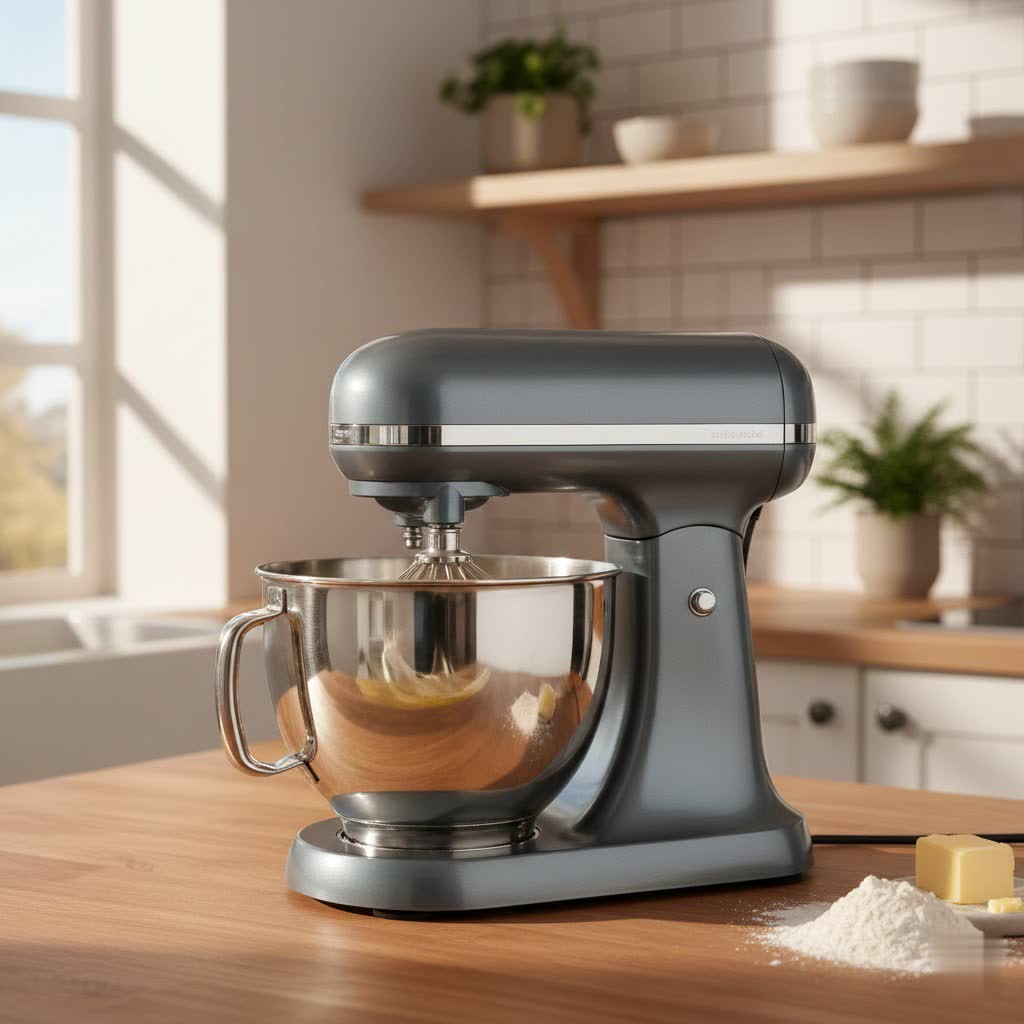
Choosing a stand mixer involves more than just selecting a color or bowl size; the type of motor powering your appliance plays a pivotal role in its performance, efficiency, and, crucially, its lifespan. For home bakers and culinary enthusiasts, the debate between DC (Direct Current) and AC (Alternating Current) motors often centers on which one offers greater durability and lasting power. Understanding the nuances of each motor type is key to making an informed decision that will serve your kitchen needs for years to come.
Understanding Stand Mixer Motors: AC vs. DC
Table is empty.At the heart of every stand mixer lies a motor, converting electrical energy into the mechanical force needed to mix, beat, and knead your ingredients. While both AC and DC motors fulfill this fundamental role, they do so through different mechanisms, leading to distinct operational characteristics.
What is an AC Motor?
Alternating Current (AC) motors are historically common in many household appliances, including entry-level and mid-range stand mixers. These motors typically receive power directly from your home’s electrical outlet, where the current direction rapidly alternates.
- How it Works: In a basic sense, AC motors operate by creating a rotating magnetic field that induces current in the rotor, causing it to spin. Many common AC mixers use universal motors, which can run on both AC and DC, but are typically designed for AC house current. More advanced AC motors, known as induction motors, are simpler in design as they often lack brushes.
- Pros: AC motors are generally simpler in construction and more cost-effective to manufacture, contributing to lower retail prices for mixers. For induction AC motors, the absence of brushes can traditionally lead to lower maintenance requirements. They are a reliable choice for moderate, consistent tasks.
- Cons: AC motors can exhibit less torque, especially at lower speeds, and may struggle with maintaining consistent power under heavy loads like thick bread dough. This can lead to the motor bogging down or overheating if pushed beyond its limits, potentially affecting its long-term health. Precise speed control can also be more challenging with some AC designs.
What is a DC Motor?
Direct Current (DC) motors, particularly modern brushless DC (BLDC) motors, are increasingly found in higher-end, professional-grade, and heavy-duty stand mixers. These motors receive a constant flow of electricity in one direction. While household outlets provide AC power, mixers with DC motors incorporate an internal inverter to convert AC to DC.
- How it Works: DC motors create a continuous magnetic field that interacts with current flowing through the rotor, generating a steady rotational force. Brushless DC (BLDC) motors eliminate physical brushes, using electronic controllers to manage the current, which significantly reduces wear and tear.
- Pros: DC motors are renowned for delivering exceptional torque, often 15% more than AC motors, making them highly effective for dense mixtures like bread dough. They offer superior speed control, maintaining consistent power even under varying loads, and accelerate smoothly across speed settings. This consistent performance also means they tend to run cooler and significantly quieter than their AC counterparts.
- Cons: The more complex design of DC motors, especially those with advanced electronic controllers, typically results in a higher initial purchase price. While modern BLDC motors largely overcome the brush wear issues of older brushed DC motors, the sophistication of their electronic components can sometimes present different repair challenges.
The Longevity Factor: Which Mixer Lasts Longer?
When it comes to the crucial question of longevity, the answer isn’t as simple as one type definitively outliving the other. It’s a nuanced discussion influenced by motor design, usage patterns, and manufacturing quality.
Historically, well-built AC motor stand mixers have earned a reputation for lasting decades, with many users reporting machines from the 70s or 80s still in operation. This durability often stems from simpler mechanical designs and robust construction, especially in models with all-metal gears. For induction AC motors, the absence of brushes eliminated a key wear component found in traditional brushed DC motors.
However, modern advancements in DC motor technology, particularly with brushless DC (BLDC) motors, present a strong case for superior long-term durability under heavy-duty conditions. BLDC motors eliminate the friction and wear associated with brushes, which are common failure points in older brushed DC designs. Their ability to deliver consistent torque without straining, run cooler, and offer precise speed control translates into less internal stress on components during rigorous tasks. This sustained performance minimizes the risk of overheating and mechanical fatigue, which are significant contributors to appliance breakdown. For instance, testing a DC-powered mixer showed it could handle multiple batches of heavy sourdough dough without overheating or slowdown, a task that often stresses AC-powered units.
“Modern brushless DC motors represent a leap forward in durability for high-demand applications, offering consistent power and cooler operation that fundamentally extends component life.” – ReviewRM Admin, Stand Mixer Expert
Ultimately, while older AC models have proven track records, for sustained, heavy use with challenging ingredients, the inherent design advantages of modern DC motors—especially BLDC—make them highly suitable for a longer, more resilient operational life in a stand mixer. Longevity also heavily depends on how the mixer is used; frequently overloading any motor type can significantly shorten its lifespan.
Performance Beyond Durability
Beyond sheer longevity, the motor type profoundly impacts the day-to-day user experience and the mixer’s ability to handle various culinary tasks.
- Torque and Power Under Load: This is where DC motors truly shine. When kneading thick bread dough or mixing dense cookie batter, DC motors maintain a consistent, powerful rotation without struggling or stalling. AC motors, particularly in lower wattage models, can experience a noticeable drop in power and speed when faced with heavy loads, forcing users to pause or reduce the batch size.
- Speed Control and Consistency: DC motors offer exceptional precision in speed control. They can transition smoothly from very low speeds, ideal for gently incorporating ingredients, to high speeds for whipping, all while maintaining a steady RPM. This consistency prevents over-aeration or under-mixing. AC motors can sometimes exhibit less stable speed control, especially at very low or very high settings, leading to less predictable results.
- Noise Levels: A common observation is that DC motor stand mixers operate significantly quieter than their AC counterparts. This difference is particularly noticeable during prolonged use or when mixing at higher speeds, contributing to a more pleasant kitchen environment.
- Heat Generation and Efficiency: DC motors are inherently more efficient at converting electrical energy into mechanical work, resulting in less wasted energy and, consequently, less heat generation. A cooler running motor is not only more efficient but also less prone to heat-related wear and tear, further contributing to its potential lifespan.
Choosing the Right Mixer for Your Needs
The choice between an AC and DC motor stand mixer ultimately comes down to your baking habits, budget, and performance expectations.
- For the Casual Baker: If you bake occasionally, primarily for lighter tasks like whipping cream, making cakes, or mixing cookie dough, an AC motor stand mixer will likely be perfectly adequate. These mixers are generally more affordable and lighter, making them a good entry-point or space-saving option.
- For the Avid Home Baker or Heavy-Duty Tasks: If you frequently bake, especially large batches, or regularly tackle dense doughs like sourdough, bagels, or whole wheat bread, a DC motor stand mixer is a worthwhile investment. Its superior torque, consistent power under load, quieter operation, and enhanced durability for demanding tasks will provide a more satisfying and efficient experience. Many commercial-grade mixers and higher-end residential models feature DC motors for these reasons.
- Budget and Investment: Expect to pay more for a DC motor stand mixer. However, this higher initial cost often reflects the advanced engineering and components designed for greater performance and longevity under strenuous conditions.
Maintenance and Care for Both Motor Types
Regardless of the motor type, proper care and maintenance are crucial for maximizing your stand mixer’s lifespan.
- General Care: Always follow the manufacturer’s cleaning instructions. Avoid immersing the motor head in water. Clean attachments immediately after use.
- Preventing Overload: Do not exceed the mixer’s stated capacity for ingredients, especially for dense doughs. If the mixer sounds strained or gets excessively hot, reduce the load or allow it to cool. Overloading is a primary cause of premature motor failure for both AC and DC units.
- Ventilation: Ensure the mixer’s vents are clear during operation to allow for proper airflow and cooling.
- Gearbox: While some AC models use a sacrificial plastic gear designed to break before the motor, modern DC models often feature more robust, all-metal gear trains. Regular inspection and lubrication (if recommended by the manufacturer) can prolong the life of the gearbox, which is integral to the motor’s performance.
- Professional Servicing: For any significant performance issues or unusual noises, consult a qualified technician. Attempting DIY repairs on complex motor systems can sometimes do more harm than good.
Conclusion
The debate between AC and DC motor stand mixers for longevity is multifaceted. While traditional AC motors have demonstrated impressive durability over many years of light to moderate use, modern brushless DC motors offer distinct advantages in power, consistency, and resilience when facing heavy loads and frequent, demanding tasks. For those who prioritize raw power, precise control, quieter operation, and robust performance for intensive baking, a DC motor stand mixer represents a superior long-term investment. However, for casual bakers with less demanding needs, a well-maintained AC motor mixer can still offer many years of reliable service. Ultimately, the mixer that lasts longer is often the one best suited to its intended use and cared for properly.
What kind of baking projects do you envision for your ideal Stand Mixer?
Frequently Asked Questions
Are DC motor stand mixers worth the extra cost?
For avid bakers who regularly tackle heavy doughs or large batches, the enhanced torque, consistent power, quieter operation, and greater durability under load that DC motors provide often justify the higher investment. For occasional, lighter baking, an AC motor mixer may suffice.
Can I replace an AC motor with a DC motor in my stand mixer?
Generally, no. The motor type is integral to the mixer’s design, including its electronics, power transmission, and gear system. Replacing one motor type with another would require extensive modifications and is usually not practical or cost-effective for a consumer appliance.
Do all KitchenAid Professional series mixers have DC motors?
While many high-end KitchenAid Professional and Pro Line series mixers are known for featuring powerful DC motors (e.g., 7-quart and 8-quart models), some professional-grade KitchenAid models may still utilize higher-wattage AC motors. Always check the specific model’s specifications if a DC motor is a key purchasing factor.
What are the main signs that my stand mixer’s motor is failing?
Common signs of motor failure include excessive noise, a burning smell, inconsistent speed control, stalling under light loads, or the mixer getting unusually hot during operation. Addressing these issues promptly can sometimes prevent complete motor breakdown.