For every passionate baker, the quest for the perfect cake often begins with a fundamental decision: which mixer to use? The debate between a hand mixer and a stand mixer is as old as baking itself, with each offering distinct advantages and drawbacks. Whether you’re whipping up a light sponge or tackling a dense fruitcake, selecting the right tool can dramatically impact your results and overall baking experience. This comprehensive guide will delve into the nuances of both appliances, helping you determine which mixer is your ideal companion for crafting delectable cakes.
Understanding Hand Mixers
A hand mixer is a lightweight, portable electric device designed for manual operation. You hold it in your hand, guiding the beaters through your ingredients. Typically comprising a motor, a handle, and removable beaters, hand mixers are renowned for their simplicity and ease of use. They are usually compact, making them simple to store in a drawer or cabinet, and are quickly set up for spontaneous baking sessions.
Hand mixers are especially adept at lighter tasks required for cake making. They excel at whipping egg whites and cream to airy peaks, creaming butter and sugar for fluffy batters, and gently incorporating dry ingredients into wet mixtures. Their portability allows you to use any bowl you choose, from a small prep bowl for a single serving to a larger mixing bowl for a family-sized cake. With wattage typically ranging from 220 to 400 watts, they provide sufficient power for everyday cake recipes.
While hand mixers are budget-friendly and convenient, they do have limitations. Their power output means they struggle with very thick batters or heavy doughs, requiring more effort and time from the baker. Since you must hold the mixer throughout the process, prolonged mixing can lead to arm fatigue, especially when preparing multiple batches.
Understanding Stand Mixers
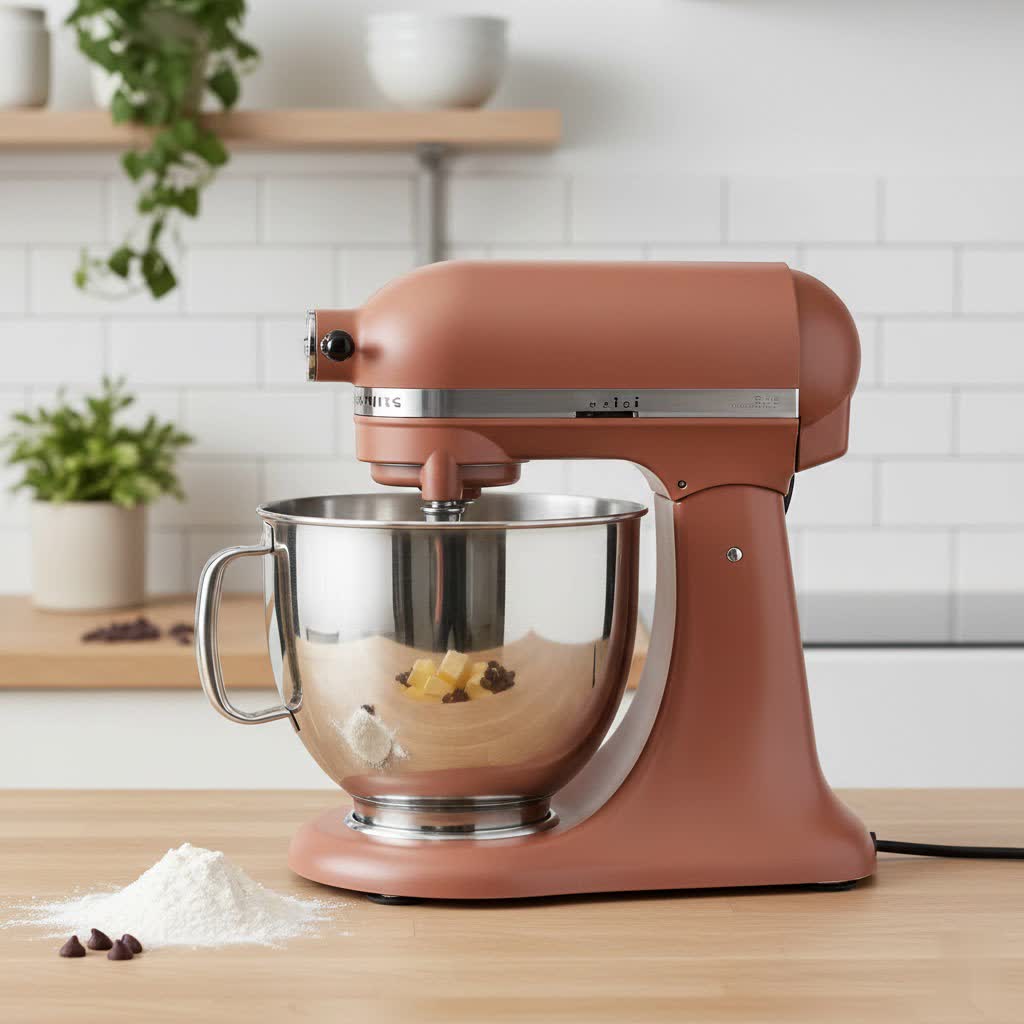
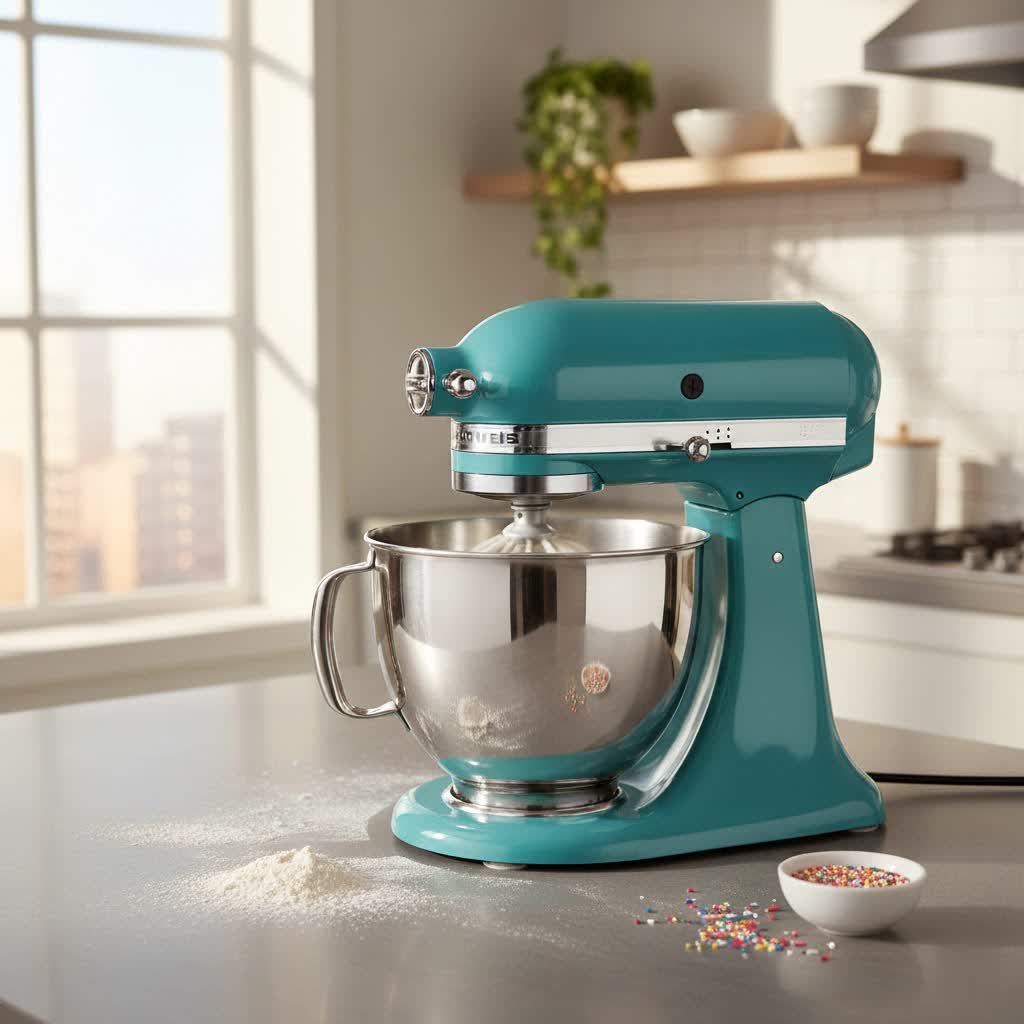
In contrast, a stand mixer is a robust, stationary appliance featuring a heavy base, a powerful motor, and a dedicated mixing bowl that locks into place. It operates hands-free, allowing you to add ingredients or attend to other tasks while it works. Stand mixers come in two primary designs: tilt-head, where the motor head lifts for bowl access, and bowl-lift, where the bowl is raised into position.
Stand mixers boast significantly more power, with motors often ranging up to 660 watts or more. This raw strength, combined with their stable design, makes them indispensable for heavy-duty tasks crucial in various cake recipes. They effortlessly knead dense cake doughs (like fruitcake or brioche), whip large quantities of meringue to stiff peaks, and ensure consistent, thorough mixing for complex batters. The planetary mixing action, where the beater rotates in one direction while orbiting around the bowl in the other, ensures that all ingredients are thoroughly incorporated.
The versatility of stand mixers is further enhanced by a wide array of attachments, transforming them into multi-functional kitchen powerhouses. Beyond standard beaters, whisks, and dough hooks, many models can grind meat, make pasta, spiralize vegetables, and even churn ice cream. However, this power and versatility come with a higher price tag and a larger footprint. Stand mixers are bulky, heavy, and demand considerable counter or storage space. While they excel at demanding jobs, they can feel like overkill for very small or quick mixing tasks.
Hand Mixer vs. Stand Mixer: A Direct Comparison for Cake Baking
When choosing between these two vital kitchen appliances, especially for your cake baking endeavors, a direct comparison of their features and performance is crucial.
Power & Performance
- Hand Mixer: Generally less powerful (220-400W), ideal for light to medium consistency cake batters, whipping cream, and aerating eggs. They might strain or overheat with very thick or stiff mixtures.
- Stand Mixer: Significantly more powerful (up to 660W+), built to handle heavy, dense cake batters, large batches of royal icing, or stiff meringue for structural cake elements. Their robust motors ensure consistent performance without faltering.
Capacity & Batch Size
- Hand Mixer: Best suited for small to medium-sized batches, typically enough for a single cake or a small batch of cupcakes. Their flexibility allows for use with bowls of various sizes.
- Stand Mixer: Designed for larger quantities. Their dedicated bowls, often ranging from 4.5 to 7 quarts, are perfect for baking multiple cakes, large celebratory bakes, or preparing substantial amounts of frosting.
Versatility & Attachments
- Hand Mixer: Primarily designed for mixing, whisking, and beating. They usually come with a standard set of beaters and sometimes a whisk attachment.
- Stand Mixer: Offers unparalleled versatility. Beyond the core paddle, wire whisk, and dough hook attachments (essential for many cake types), many models feature a power hub for dozens of optional attachments, transforming the mixer into a multi-purpose appliance.
Convenience & Control
- Hand Mixer: Requires constant manual holding and guidance. While portable, this hands-on approach limits multitasking. Speeds typically range from 5 to 9 settings.
- Stand Mixer: Provides hands-free operation, allowing you to prepare other ingredients or clean up while mixing. Most stand mixers offer 10 or more speeds, providing precise control for delicate tasks like gradually folding in dry ingredients or rapidly whipping stiff peaks.
Space & Storage
- Hand Mixer: Highly compact and easy to store in drawers or small cabinets, making them perfect for kitchens with limited space.
- Stand Mixer: A countertop fixture. Their size and weight necessitate dedicated counter space or a robust storage solution, which can be a significant consideration for smaller kitchens.
Cost & Value
- Hand Mixer: A significantly more affordable initial investment, making them an accessible entry point for beginners or casual bakers.
- Stand Mixer: Represents a greater upfront cost, often several hundred dollars. However, their durability, power, and versatility can offer long-term value, especially for frequent or serious bakers.
When to Choose a Hand Mixer for Cakes
A hand mixer shines in specific baking scenarios, making it the ideal choice for many home bakers:
- Occasional Baking: If you bake cakes infrequently or only for small family gatherings, a hand mixer provides all the necessary functionality without a significant investment.
- Limited Space & Budget: For those with compact kitchens where countertop space is precious, or if your budget is tight, a hand mixer is a practical and efficient solution. It stores easily and costs far less than a stand mixer.
- Simple Cake Recipes: For basic cake batters from scratch or box mixes, whipping cream, or making simple frostings, a hand mixer performs beautifully. It’s excellent for achieving light and airy textures in these less demanding recipes.
When to Invest in a Stand Mixer for Cakes
For the dedicated baker, a stand mixer becomes an invaluable asset, transforming complex cake recipes into manageable tasks:
- Frequent & Large-Batch Baking: If you bake cakes regularly, prepare large quantities for events, or venture into multiple bakes simultaneously, the hands-free operation and larger capacity of a stand mixer are indispensable time-savers.
- Complex Cake Recipes: For elaborate cakes requiring stiff meringues, specialty doughs (like brioche for coffee cakes), or prolonged mixing times to achieve specific textures, a stand mixer’s power and consistency are unmatched.
- Desire for Versatility: If you envision your mixer doing more than just cakes – perhaps grinding nuts for flour, making fresh pasta, or even spiraling vegetables – a stand mixer with its array of attachments offers incredible versatility.
- Consistent Results: The planetary mixing action and steady power of a stand mixer ensure uniform mixing, which is crucial for achieving consistent texture and rise in delicate cake recipes.
“Choosing the right mixer is less about finding the ‘best’ and more about understanding your personal baking rhythm and the demands of your favorite recipes. For cakes, consider the batter’s density and the required aeration.”
Top Considerations Before Buying
Before making your purchase, reflect on these key aspects to ensure you choose the mixer that truly aligns with your baking needs:
- Baking Frequency & Volume: How often do you bake, and what size batches do you typically prepare? This is perhaps the most critical factor in your decision.
- Types of Cakes & Recipes You Make: Are you a casual baker of simple sponge cakes, or do you frequently experiment with dense fruitcakes, delicate meringues, or specialized yeast-risen cakes?
- Kitchen Space & Storage: Measure your available counter space and storage areas. A stand mixer requires a permanent home or a substantial cabinet spot.
- Budget: Determine how much you are willing to invest. Hand mixers are an affordable starting point, while stand mixers are a more significant financial commitment.
- Desired Features & Attachments: Consider what tasks you want your mixer to accomplish beyond basic cake batter. If versatility is key, a stand mixer with its attachments offers more.
- Brand Reputation & Warranty: Research reputable brands known for durability and good customer service. KitchenAid, for instance, is a widely recognized name in stand mixers for its quality and range of products.
Conclusion
Ultimately, there isn’t a universally “best” mixer for cakes; the optimal choice depends entirely on your individual baking habits, kitchen constraints, and culinary ambitions. A hand mixer offers portability, affordability, and ease of use for quick, lighter cake batters and everyday baking. It’s a fantastic entry point for new bakers or those with limited space. Conversely, a stand mixer provides unparalleled power, capacity, and versatility for the avid baker who tackles complex recipes, large batches, or seeks hands-free convenience and consistent professional-grade results.
Carefully evaluate your baking frequency, the types of cakes you love to make, and your available kitchen resources. By aligning your mixer choice with your specific needs, you’ll equip yourself with the perfect tool to effortlessly whip, beat, and fold your way to consistently delicious cakes every time.
Frequently Asked Questions
Can a hand mixer make good cakes?
Yes, a hand mixer can certainly make good cakes, especially for lighter batters like sponges, butter cakes, and basic cupcakes. They are effective for creaming butter and sugar, whipping eggs, and incorporating dry ingredients, producing excellent results for many home bakers.
Are stand mixers worth it just for cakes?
If you frequently bake complex cakes that require long mixing times, large batches, or specific techniques like whipping stiff meringues or kneading dense doughs, then a stand mixer is absolutely worth the investment for cakes alone. Its power and hands-free operation make these tasks much easier and yield more consistent outcomes.
What is the main difference in mixing action between the two?
The main difference is that a hand mixer relies on manual guidance and movement within the bowl, while a stand mixer uses a planetary mixing action. This means the beater rotates on its axis while simultaneously orbiting the entire bowl, ensuring all ingredients are thoroughly mixed without manual intervention.
How much power do I need for a cake mixer?
For basic cake batters and lighter tasks, a hand mixer with 220-300 watts is usually sufficient. For more demanding cake recipes, larger batches, or incorporating dense ingredients, a Stand Mixer with 300-600+ watts will provide the necessary power and durability.
Can a hand mixer knead dough for cakes?
While some very light cake-like doughs might be manageable, hand mixers are generally not designed for kneading heavy or stiff doughs typically found in bread or some specialty cake recipes. Their motors are less powerful and their design makes extended kneading impractical and potentially damaging to the appliance.