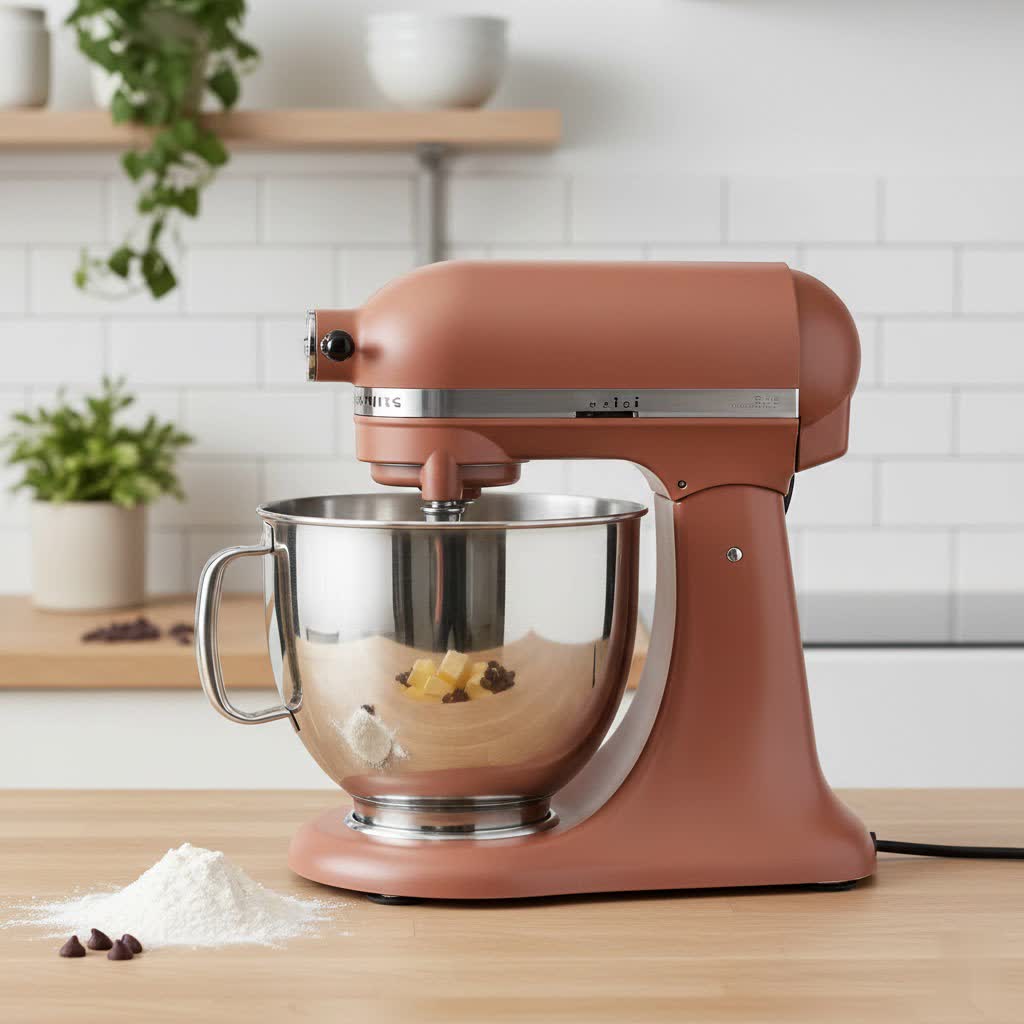
If you’ve ever found yourself with aching arms after hours of whipping up buttercream or cream cheese frosting for a big event, you know the struggle is real. Crafting generous quantities of smooth, airy frosting is a labor of love, but it doesn’t have to be a labor of exhaustion. The secret lies in equipping your kitchen with the right workhorse: a stand mixer specifically designed for heavy-duty tasks and large capacities. This comprehensive guide will walk you through everything you need to know to select the perfect stand mixer that will make creating large batches of frosting an absolute breeze, transforming your baking from tedious to effortlessly creative.
Understanding Your Stand Mixer: The Heart of Your Kitchen
A stand mixer is an indispensable countertop appliance in any serious baker’s arsenal. Unlike handheld mixers, it features a robust motor housed in a heavy base, driving various attachments that handle everything from kneading tough dough to whipping delicate meringues. Its “hands-free” operation allows you to multitask, saving time and energy.
The concept of the stand mixer dates back over a century, with iconic brands like KitchenAid establishing a legacy of innovation and reliability. These machines have continually evolved, integrating more power, advanced features, and greater capacities to meet the demands of modern bakers.
Tilt-Head vs. Bowl-Lift: Which is Right for Large Frosting Batches?
When choosing a stand mixer, one of the first decisions you’ll encounter is between a tilt-head and a bowl-lift design. Understanding their differences is crucial, especially when your goal is to tackle large batches of frosting.
- Tilt-Head Mixers: These models feature a hinged head that tilts back, allowing easy access to the bowl and attachments. They are generally more compact and often preferred for everyday home baking and smaller to medium-sized batches. While convenient for adding ingredients or scraping down the bowl, their design can sometimes lead to less stability when working with very heavy or dense mixtures at high speeds. Most tilt-head models cap at around a 5-quart capacity.
- Bowl-Lift Mixers: Designed for stability and power, bowl-lift mixers keep the mixer head stationary. Instead, the bowl is secured onto arms and lifted into place using a lever. This design provides robust support, making them ideal for handling larger capacities and extremely heavy, thick mixtures like multiple pounds of butter and powdered sugar for frosting, or dense bread dough. They typically offer more powerful motors and larger bowls, often ranging from 6 to 7 quarts or more.
For consistently making large batches of frosting, a bowl-lift stand mixer is the undisputed champion. Its superior stability and powerful motor ensure efficient mixing without the machine “walking” across your countertop or bogging down, even under the heaviest loads.
Key Features to Look for in a Stand Mixer for Large Batches of Frosting
Selecting the right stand mixer involves more than just picking a pretty color. Here are the critical features to prioritize for optimal frosting production:
Capacity
Table is empty.For large batches of frosting, bowl capacity is paramount. A 6-quart or 7-quart bowl is highly recommended. While a 5-quart mixer can handle a double batch of cookies, it might feel restrictive when you’re scaling up frosting recipes significantly. Taller bowls help contain splatter, especially when whipping. Be mindful that extremely large bowls might not perform optimally with very small quantities, as the attachments might not reach ingredients like a single egg white or a couple of tablespoons of butter.
Power (Wattage)
The motor’s wattage directly correlates with its ability to handle thick, dense ingredients without straining or overheating. For everyday baking, a minimum of 300 watts is sufficient. However, for robust tasks like consistently whipping large volumes of frosting, look for mixers with 500 watts or more. Higher wattage ensures the mixer maintains consistent speed and power, even when mixing stiff buttercreams or large quantities of heavy cream.
Motor Type and Stability
Most high-quality stand mixers feature a direct-drive motor, which efficiently transfers power to the attachments. Coupled with a sturdy, heavy base (often cast metal), this design significantly enhances stability. This is crucial for preventing the mixer from vibrating excessively or moving on your counter when tackling dense frosting mixtures, especially at higher speeds.
Essential Attachments for Frosting
The right attachments make all the difference:
- Flat Beater (Paddle Attachment): This is your primary tool for creaming butter and sugar and mixing in powdered sugar to form the base of most buttercreams. A good flat beater ensures thorough incorporation without adding too much air initially.
- Wire Whip (Balloon Whisk): Essential for incorporating air into your frosting, creating light, fluffy textures for meringues, whipped cream, and achieving that signature airy consistency in many buttercreams.
- Flex-Edge Beater (Optional but Highly Recommended): This attachment features a flexible silicone edge that continuously scrapes the sides of the bowl as it mixes. This reduces the need for manual scraping, ensuring all ingredients are thoroughly incorporated and preventing unmixed pockets at the bottom or sides of the bowl—a huge time-saver for large batches.
Durability and Build Quality
Investing in a stand mixer means expecting it to last. Look for models with durable, high-quality construction, often featuring all-metal gears and housing. Brands with a reputation for longevity and good warranties are a smart choice, especially if you plan on frequent, heavy-duty use.
Speed Settings
A good range of variable speeds is beneficial. You’ll want low speeds for gradually incorporating powdered sugar without a cloud of dust, medium speeds for creaming, and high speeds for whipping air into your frosting for maximum fluffiness. Some advanced models even feature a “half speed” or “folding” setting for gently incorporating delicate ingredients.
Top Stand Mixers for Large Batches of Frosting: Expert Picks
When it comes to handling the demands of substantial frosting recipes, certain stand mixers consistently rise to the top. Here are some of the best options:
KitchenAid 7-Quart Bowl-Lift Stand Mixer
Often hailed as a “game-changer” for its capacity and power, this KitchenAid model is a top contender.
- Capacity: 7 quarts, capable of handling very large batches.
- Power: 500 watts, delivering exceptional power and stability, especially under heavy loads. KitchenAid claims it offers “2x the power in the bowl” compared to their tilt-head models.
- Speeds: 11 distinct speeds, including a dedicated half-speed for delicate mixing.
- Attachments: Comes with a double flex-edge beater, wire whip, dough hook, flat beater, and pouring shield—all the essentials for serious bakers.
- Pros: Outstanding stability, powerful motor, versatile attachments, ideal for frequent entertaining and thick mixtures.
- Cons: Less convenient access to the bowl compared to tilt-head, not ideal for tiny batches.
Wolf Gourmet High Performance Stand Mixer 7-Qt
Recommended for large batches, this mixer combines robust construction with powerful performance.
- Capacity: 7 quarts, with tall sides to prevent splatters.
- Key Features: Sturdy base that remains steady even with heavy doughs. Smooth motor with ten variable speeds for precise control.
- Attachments: Includes a paddle, dough hook, whisk, and a splash shield with an ingredient spout.
- Pros: Excellent for heavy-duty tasks, strong motor, minimizes splatter.
- Cons: Higher price point.
Ankarsrum Assistent Original Stand Mixer (7.4 Qt)
A unique Swedish-designed mixer, the Ankarsrum stands apart with its spinning bowl and different attachment system.
- Capacity: A generous 7.4 quarts.
- Power: 600 watts, one of the most powerful for home use.
- Unique Design: The bowl spins while the attachments remain stationary. It includes a dough roller and dough knife, traditionally for bread, but surprisingly effective for producing silky-smooth frosting without over-aerating. It also includes traditional balloon and cookie whisks for aeration.
- Pros: Extremely powerful, excellent for large batches, versatile for both bread and frosting with its unique tools.
- Cons: Significant learning curve due to its unique design, higher price, and specific order required for adding ingredients (liquids first). Not ideal for very small batches.
GE Profile 7-Quart Smart Mixer with Auto Sense
For those who appreciate modern technology in the kitchen, this smart mixer offers both capacity and intelligent features.
- Capacity: 7 quarts.
- Power: 540 watts.
- Smart Features: Built-in smart scale measures ingredients as you add them, auto-sense technology adjusts speed based on viscosity, automatic timer, and app compatibility.
- Pros: Integrated scale simplifies measuring, intelligent speed adjustments for consistent results, modern aesthetic.
- Cons: Minimal clearance between bowl and mixing arm can make adding ingredients challenging mid-mix, limited color options.
While KitchenAid’s Artisan Series 5-Quart Tilt-Head Stand Mixer is an excellent all-rounder for most home bakers, its smaller capacity and tilt-head design make it less ideal for truly large batches of thick frosting compared to the bowl-lift and professional-grade options listed above.
Mastering Your Stand Mixer for Perfect Frosting
Having a powerful stand mixer is only half the battle; knowing how to use it effectively for frosting is the other.
Safe and Efficient Usage Tips
- Room Temperature Ingredients: Ensure butter and cream cheese are at proper room temperature for smooth, lump-free frosting.
- Start Slow: Begin mixing on the lowest speed when adding powdered sugar to prevent a “sugar cloud” in your kitchen.
- Scrape the Bowl: Even with a flex-edge beater, occasionally stop the mixer and scrape down the sides and bottom of the bowl with a spatula to ensure all ingredients are fully incorporated. This is especially important for thick frostings.
- Don’t Overfill: Respect the mixer’s stated capacity. Overfilling can strain the motor and lead to inefficient mixing.
- Listen to Your Mixer: Pay attention to unusual noises or signs of strain. If the motor sounds overworked, it might be too full, or the consistency is too thick for its current speed.
Maintenance and Cleaning
Most stand mixer bowls and attachments (flat beater, wire whip, dough hook) are dishwasher safe, making cleanup simple. Always refer to your specific model’s manual for care instructions. Wipe down the mixer head and base with a damp cloth after each use to prevent sugar or butter from hardening on the surface.
Troubleshooting Common Issues
- Runny Frosting: This often happens if butter is too soft or too much liquid (milk/cream) is added. Chill your frosting briefly or add a bit more powdered sugar (or cornstarch for less sweetness) and mix again.
- Grainy Frosting: Usually a sign of undissolved powdered sugar or using granulated sugar instead of confectioners’. Sift your powdered sugar before adding, and ensure adequate mixing time.
- Stiff Frosting: A common issue if too much powdered sugar is added or insufficient liquid. Add a tiny amount of liquid (milk, cream, or water) slowly until desired consistency is reached.
- Mixer Straining: Reduce the batch size or ensure ingredients are at proper temperature (e.g., butter is soft enough). A higher wattage, bowl-lift model will better handle thick mixtures.
Stand Mixers and Kitchen Health
Choosing a stand mixer also involves considering food safety and health.
- Material Safety: Most modern stand mixers come with stainless steel bowls and metal attachments, which are highly durable and food-safe. Ensure any plastic components (like splash guards) are BPA-free if this is a concern for you.
- Hygienic Practices: Always wash your mixer bowl and attachments thoroughly after each use to prevent bacterial growth and cross-contamination. Storing attachments properly can also prolong their life and cleanliness.
“A quality stand mixer isn’t just about convenience; it’s about consistency and control. For large batches of frosting, you need a machine that won’t quit on you, delivering smooth results every time.” – Admin of ReviewRM, Stand Mixer Technician
In conclusion, for those dedicated to creating large, beautiful batches of frosting, investing in a high-capacity, powerful bowl-lift stand mixer is a game-changer. Models like the KitchenAid 7-Quart Bowl-Lift, Wolf Gourmet, or the Ankarsrum Assistent offer the power, stability, and capacity needed to effortlessly tackle even the most ambitious baking projects. By prioritizing features like ample bowl size, robust wattage, and essential attachments, you can elevate your baking experience and consistently achieve silky-smooth, perfectly whipped frostings without breaking a sweat.
What grand frosting creation will you conquer with your new kitchen powerhouse?
Frequently Asked Questions
What capacity stand mixer do I need for large batches of frosting?
For large batches of frosting, a stand mixer with a bowl capacity of 6 to 7 quarts (or more) is generally recommended. This size provides ample space for ingredients, prevents overflow, and allows the attachments to thoroughly mix larger quantities of butter, sugar, and other ingredients.
Is a higher wattage important for making frosting?
Yes, a higher wattage is quite important, especially for large batches of frosting. Frosting can be very thick and dense, requiring significant power to mix efficiently without straining the motor. Look for mixers with 500 watts or more to ensure stable, consistent performance and durability when handling heavy loads.
Should I choose a tilt-head or bowl-lift stand mixer for frosting?
For large batches of frosting, a bowl-lift Stand Mixer is generally preferred. Its design offers superior stability and typically houses a more powerful motor, making it better equipped to handle the weight and density of large quantities of frosting without wobbling or struggling. Tilt-head models are usually better suited for smaller, everyday tasks.
What attachments are best for making frosting?
The most essential attachments for making frosting are the flat beater (paddle attachment) for creaming butter and incorporating powdered sugar, and the wire whip (balloon whisk) for aerating and creating light, fluffy textures. A flex-edge beater is also highly beneficial as it continuously scrapes the bowl, reducing the need for manual intervention.