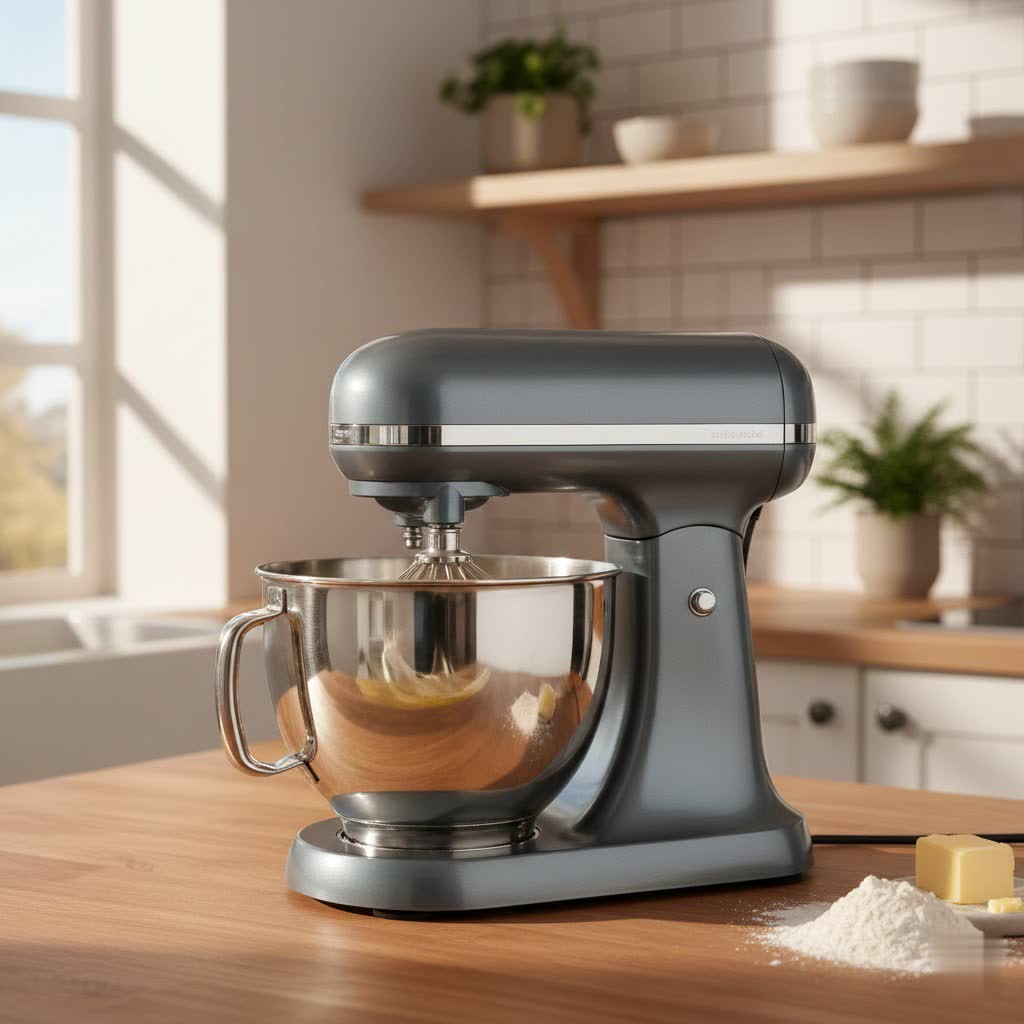
There’s a special kind of satisfaction that comes from baking a batch of perfect cookies or a warm loaf of homemade bread. But anyone who has tackled dense cookie dough or a sticky, elastic bread dough knows that this joy can quickly turn into a wrestling match with your mixer. Many home bakers find their stand mixers struggling, overheating, or even “walking” across the counter when faced with these demanding tasks. The truth is, not all stand mixers are created equal, especially when it comes to handling heavy batters and stiff doughs.
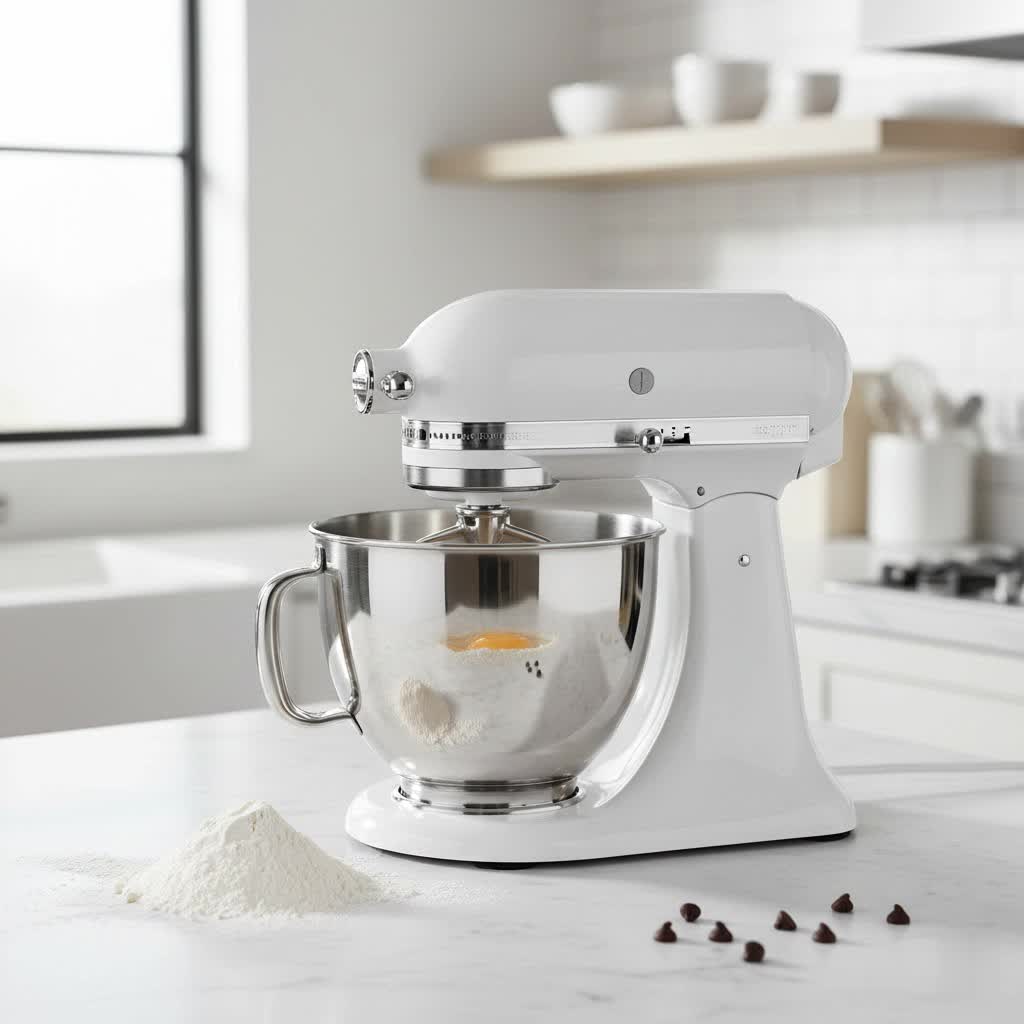
If you’ve ever felt your mixer straining or simply yearn for a more efficient and reliable way to handle your toughest baking challenges, you’re in the right place. This comprehensive guide will delve into what makes a stand mixer truly capable of tackling cookie dough and heavy batters with ease. We’ll explore the critical features, compare top models, and provide insights to help you choose a stand mixer that won’t just keep up with your baking ambitions, but elevate them. Say goodbye to struggling and hello to effortless dough mixing!
Understanding Stand Mixers: More Than Just a Pretty Appliance
At its core, a stand mixer is a countertop appliance designed to automate the mixing process in baking and cooking. It typically consists of a heavy base housing a powerful motor, a removable bowl, and various attachments like a flat beater, wire whisk, and dough hook. While seemingly straightforward, the internal mechanics and design of a stand mixer significantly impact its ability to handle different tasks, particularly the heavy-duty demands of thick doughs.
Planetary vs. Non-Planetary (Bowl-Driven) Mixers: A Crucial Distinction for Heavy Doughs
The way a stand mixer operates its attachments is fundamental to its performance. There are two primary types of mixing actions:
- Planetary Mixing (e.g., KitchenAid): In a planetary mixer, the attachment (beater, whisk, or dough hook) rotates on its own axis while also revolving around the inside of the stationary bowl, much like planets orbiting the sun. This action ensures thorough mixing, scraping the sides of the bowl. Planetary mixers are renowned for their versatility, excelling at everything from whipping delicate meringues to creaming butter and sugar for cakes and cookies. However, for extremely stiff doughs and large quantities, the motor and gear system, located at the head, can come under significant strain.
- Non-Planetary (Bowl-Driven) Mixing (e.g., Ankarsrum, Bosch Universal Plus): These mixers feature a stationary head, with the bowl itself rotating (or the dough hook rotating while the bowl rotates on a fixed axis for some spiral mixers). Often, the motor is located in the base, providing exceptional stability and direct power transfer. This design is particularly advantageous for heavy doughs, as the lower center of gravity prevents wobbling, and the motor configuration can handle continuous, high-resistance kneading more efficiently.
|
Our Picks for the Best Stand mixer in 2026
As an Amazon Associate I earn from qualifying purchases.
|
||
| Num | Product | Action |
|---|---|---|
| 1 | Camic Stand Mixer, 4.2QT+5.3QT Two bowls Electric Food Mixer, 10 Speeds with Digital setting 3-IN-1 Kitchen Mixer for Baking Cakes Cookie Bread Salad with Egg Whisk,Dough Hook,Flat Beater (Black) |

|
| 2 | KitchenAid Classic Series 4.5 Quart Tilt-Head Stand Mixer K45SS, White |
|
| 3 | KitchenAid Artisan Series 5 Quart Tilt Head Stand Mixer, KSM150PS, Juniper |
|
| 4 | Hamilton Beach Electric Stand Mixer, 4 Quarts, Dough Hook, Flat Beater Attachments, Splash Guard, 7 Speeds with Whisk, Easy-Carry Top Handle, Red |
|
| 5 | KitchenAid Classic Series 4.5 Quart Tilt-Head Stand Mixer K45SS, Onyx Black |
|
| 6 | Kitchen in the box Stand Mixer,3.2Qt Small Electric Food Mixer,6 Speeds Portable Lightweight Kitchen Mixer for Daily Use with Egg Whisk,Dough Hook,Flat Beater (Black) |
|
| 7 | Martha Stewart Tilt-Head Stand Mixer, 12 Speed, 5.3QT Stainless Steel Bowl, Splash Guard with Pour Chute, Whisk, Dough Hook, Flat Beater, Electric Kitchen Baking Mixer, Bread, Cake, Whip, Linen White |
|
| 8 | Hamilton Beach Electric Stand Mixer, 4 Quarts, Dough Hook, Flat Beater Attachments, Splash Guard 7 Speeds with Whisk, Black |
|
| 9 | Stand Mixer Body with Stainless Steel Cladding Pro-Grade Powerful Kitchen Mixer for Baking Bread Dough Cake 10+p Speed Tilt-Head Electric Food Mixer With 6.5QT Bowl Dough Hook Wire Whisk Flat Beater |
|
| 10 | Stand Mixer, Kitchen in the box 3.2Qt Small Electric Food Mixer,6 Speeds Portable Lightweight Kitchen Mixer for Daily Use with Egg Whisk,Dough Hook,Flat Beater (Purple) |
|
Understanding this distinction is key to selecting a mixer that truly excels with the heavy batters you love to make.
Why Cookie Dough and Heavy Batters Demand More
Cookie dough, particularly those packed with chocolate chips, nuts, or oats, and dense bread doughs like sourdough or bagel dough, present unique challenges that test a stand mixer’s limits. These mixtures are not just thick; they are often sticky and resistant, requiring sustained power and robust construction.
The Challenge of Thick Doughs
Mixing heavy doughs puts immense stress on a mixer’s components. The high resistance can lead to:
- Motor Strain and Overheating: Motors not designed for such intensity can quickly heat up, potentially leading to premature failure or a shortened lifespan.
- Gear Stripping: Many planetary mixers, especially smaller or older models, may use plastic gears that are prone to stripping when forced to knead heavy, stiff doughs repeatedly.
- “Walking” on the Countertop: Less stable mixers, particularly tilt-head planetary models, can wobble or literally move across the countertop due to the torque and resistance from thick dough.
- Subpar Results: An underpowered or struggling mixer might not knead dough thoroughly enough, resulting in underdeveloped gluten in bread (chewy, dense texture) or unevenly mixed cookie dough.
Key Features to Look for in a Heavy-Duty Stand Mixer
When selecting a stand mixer specifically for heavy doughs and batters, prioritize these critical features:
- Motor Power & Torque: While wattage provides a general idea of power, torque (the rotational force) is paramount for pushing through stiff doughs. Mixers with strong, often direct-drive or heavy-duty belt-driven motors, are superior. Look for models explicitly designed to handle continuous kneading without excessive strain.
- Gear System: For durability, metal gears are non-negotiable. Plastic gears simply won’t stand up to the long-term demands of heavy doughs.
- Stability & Weight: A heavy, sturdy base is crucial to prevent the mixer from moving or wobbling during intense kneading. Mixers with motors in the base (non-planetary designs) often offer superior stability.
- Bowl Capacity: Consider your typical batch size. For home bakers, 5-7 quart (or liter) bowls are generally sufficient for large batches of cookies or standard bread recipes. If you bake in very large quantities, look for commercial-grade capacities.
- Dough Hook/Attachment Design: An effective dough hook is essential. Some mixers feature unique dough rollers (like the Ankarsrum) or spiral dough hooks that excel at gluten development for bread.
- Construction Material: High-quality, durable materials throughout the mixer’s construction contribute to its longevity and reliability under heavy use.
Top Stand Mixers for Cookie Dough and Heavy Batters
Based on expert reviews and extensive user feedback, certain stand mixers consistently rise to the top for their ability to handle the toughest mixing jobs.
The Workhorse: Ankarsrum Original Assistent
“The Ankarsrum Original Stand Mixer has a unique design reminiscent of a professional spiral mixer… Because the motor is at the base of the machine, rather than the top, the mixer is much steadier — it can handle even the stiffest bread doughs, which won’t cause it to wobble and shake during vigorous kneading.” – King Arthur Baking
The Ankarsrum Original Assistent stands out with its unconventional yet highly effective design. Unlike traditional planetary mixers, the Ankarsrum features a motor in its base and a rotating stainless steel bowl, while the attachments (a dough roller and scraper, or a dough hook) move eccentrically. This design provides unparalleled stability and direct power to the dough.
- Pros:
- Exceptional for Heavy Doughs: Consistently praised for handling bread doughs (including low-hydration, stiff ones like bagels), cookie dough, and large batches without strain.
- Superior Stability: The motor in the base prevents wobbling, even with the densest mixtures.
- Unique Dough Roller: Its distinctive dough roller and scraper gently yet effectively knead dough, often developing gluten faster and with less heat than traditional dough hooks.
- Large Capacity: Typically comes with a 7-liter (approximately 7.4-quart) stainless steel bowl, ideal for significant batches.
- Quiet Operation: Users often note its quieter performance compared to other powerful mixers.
- Cons:
- Learning Curve: Its unique design can take some getting used to, especially for those accustomed to planetary mixers.
- Price Point: It represents a significant investment.
- Less Ideal for Small Batches/Light Mixes: While it can handle them, some users find it less efficient for very small quantities of whipped cream or egg whites.
The Powerful Value: Bosch Universal Plus
The Bosch Universal Plus is another highly recommended mixer for serious bakers, particularly those who frequently make bread. It features a powerful belt-driven motor located in the base, providing excellent stability and torque.
- Pros:
- Strong Performance with Dough: Excels at kneading various bread doughs and handling large batches of heavy batters due to its powerful motor and efficient drive system.
- Great Value: Often considered a more affordable yet highly capable alternative to the Ankarsrum or commercial spiral mixers.
- Versatile Attachments: Comes with various attachments for different mixing needs.
- Durable: Known for its robust construction and longevity.
- Cons:
- Specific Design: Its central drive shaft in the bowl can take some getting used to for scraping, and it might not perform optimally with very small batches.
- Learning Curve: Similar to Ankarsrum, it has a distinct operation that differs from traditional planetary mixers.
- Aesthetics: Some find its design less aesthetically pleasing than other brands.
Mention: The NutriMill Artiste is often cited as a similar, more budget-friendly alternative to the Bosch Universal Plus, sharing many of its dough-handling strengths.
The All-Rounder (with caveats): KitchenAid Bowl-Lift Models
While many KitchenAid tilt-head models (like the Artisan Series) are fantastic for general baking, they often struggle with heavy doughs, leading to strain, wobbling, and potential motor or gear issues. However, KitchenAid’s bowl-lift models, such as the ProLine 7qt or Commercial Series, offer a significant upgrade in power and stability.
- Pros:
- More Powerful: Designed with higher torque motors (often DC motors) to handle larger quantities of flour and stiffer doughs than tilt-head models.
- Increased Stability: The bowl-lift design provides a sturdier structure, reducing wobble during heavy mixing.
- Versatility: Still offers the wide range of KitchenAid attachments and accessories for various tasks.
- Brand Recognition & Support: Extensive accessory ecosystem and customer support.
- Cons:
- Still May Struggle: While better than tilt-head models, they may still be less efficient or durable for very stiff, low-hydration doughs or continuous, large-batch bread kneading compared to dedicated dough mixers like Ankarsrum or Bosch.
- Dough “Climbing”: Dough can sometimes climb the hook, requiring manual intervention.
The Professional Choice: Spiral Mixers
For the truly dedicated bread baker who prioritizes dough development above all else, spiral mixers (like Famag, Sunmix, or the Ooni Halo Pro) are the ultimate choice. These machines are purpose-built for kneading dough.
- Pros:
- Unparalleled Dough Development: Spiral mixers create superior gluten structure, resulting in light, airy, and perfectly kneaded dough with minimal heating.
- Fast and Efficient: They can knead large quantities of dough much faster and more effectively than planetary mixers.
- Durability: Built like tanks, designed for heavy, continuous use.
- Cons:
- Highly Specialized: They are “one-trick ponies” – designed almost exclusively for kneading dough, with limited or no functionality for other tasks like whipping or creaming.
- Expensive and Large: Spiral mixers are a significant investment and take up considerable counter or floor space.
- Weight: They are very heavy and not easily moved.
Other Considerations: Kenwood and Hobart
- Kenwood: A reputable brand with models like the Kenwood Titanium Chef Baker XL offering powerful motors, generous capacities, and versatility for various baking tasks, including dough. Some models include built-in scales and multiple bowls, making them attractive for keen bakers.
- Hobart: Commercial-grade mixers, known for their legendary durability and power. A Hobart N50 or larger can handle virtually any dough with ease, but they are expensive new and large even for a dedicated home kitchen. Used models from restaurant supply stores can be a good (but often large and heavy) option.
Choosing Your Perfect Mixer: A Buying Guide
Selecting the right stand mixer for cookie dough and heavy batters involves balancing your needs, budget, and priorities.
-
Your Baking Habits:
- How often do you make heavy doughs? If it’s a weekly or daily affair, investing in a specialized mixer like an Ankarsrum or Bosch is highly recommended. For occasional use, a robust KitchenAid bowl-lift might suffice.
- What are your typical batch sizes? Match the mixer’s bowl capacity to your common recipes. Overloading a mixer is a surefire way to shorten its lifespan.
- What types of doughs do you make? If low-hydration, stiff doughs (like bagels or certain artisan breads) are your go-to, prioritize mixers known for handling extreme resistance.
-
Budget: Heavy-duty stand mixers represent an investment. Prices can range from around $300-$500 for a Bosch or a KitchenAid bowl-lift model, to $700-$1000+ for an Ankarsrum or a home-sized spiral mixer. Set a realistic budget based on your usage frequency and the mixer’s expected lifespan.
-
Space & Aesthetics: Consider the physical size and weight of the mixer. Larger, more powerful models, especially commercial or spiral mixers, require significant counter space and might be too heavy to move frequently. Also, think about how it will look in your kitchen.
-
Versatility vs. Specialization:
- Do you need a mixer that can do everything well (whipping, creaming, kneading)? Then a powerful planetary mixer (like a KitchenAid bowl-lift) or a versatile non-planetary one (like Bosch or Ankarsrum, despite its learning curve) is suitable.
- Is bread dough your absolute priority, and you’re willing to use a hand mixer for lighter tasks? A spiral mixer might be worth the investment.
-
Attachments & Accessories: Ensure the mixer comes with (or has readily available) the necessary attachments for your baking style, especially a robust dough hook or roller. Some brands offer extensive accessory ecosystems that can turn your mixer into a multi-purpose kitchen machine.
-
Warranty & Customer Support: A good warranty (e.g., 3-7 years) and reliable customer service are important considerations for any significant appliance purchase.
Tips for Maximizing Your Stand Mixer’s Life with Heavy Doughs
Even with a heavy-duty mixer, proper technique and care can significantly extend its life and ensure optimal performance.
- Don’t Overload: Always adhere to the manufacturer’s recommended maximum flour or dough capacity. Exceeding this limit is the fastest way to strain the motor and gears. For very low-hydration doughs, many manufacturers recommend reducing the maximum capacity by 50%.
- Start Slow: Begin mixing on the lowest speed to incorporate ingredients, then gradually increase the speed as the dough comes together. This prevents splattering and reduces initial strain on the motor.
- Avoid Continuous High-Speed Kneading: While powerful mixers can handle higher speeds, sustained high-speed kneading of very stiff dough can still generate excessive heat. If your mixer feels hot, give it a short rest.
- Listen to Your Mixer: Pay attention to unusual noises or signs of strain. If the motor sounds labored, reduce the batch size or consider switching to a lower speed.
- Regular Cleaning and Maintenance: Keep your mixer clean, especially around the attachments and mixing head, to prevent dough or batter buildup from affecting performance. Refer to your manual for any specific maintenance requirements.
Stand Mixers and Baking Success: Beyond the Machine
While a top-tier stand mixer is an invaluable asset for handling cookie dough and heavy batters, remember that it’s one part of the baking equation. Excellent results also depend on accurate ingredient measurements, proper technique, and high-quality ingredients. However, having a mixer that can effortlessly power through your toughest recipes frees you to focus on these other crucial aspects, making your baking experience more enjoyable and consistently successful.
Conclusion
For home bakers who frequently tackle the delicious challenges of dense cookie doughs and robust bread batters, a reliable, powerful stand mixer is not a luxury—it’s an essential investment. While traditional planetary mixers like KitchenAid Artisan models may suffice for lighter tasks, true heavy-duty performance demands the stability, motor strength, and specialized design found in models like the Ankarsrum Original Assistent, the Bosch Universal Plus, or the high-capacity KitchenAid Bowl-Lift series. For the ultimate dough perfection, a dedicated spiral mixer might be your calling.
Choosing the right stand mixer means understanding the demands of your favorite recipes and matching them with a machine built to handle the task without breaking a sweat. By prioritizing motor torque, metal gears, and a stable design, you empower your kitchen to conquer any cookie or bread recipe. Investing wisely in a mixer that can handle heavy batters and doughs will transform your baking, saving you time, effort, and frustration, and allowing you to focus on the pure joy of creating delicious treats.
Which heavy-duty stand mixer will become your trusted companion in the kitchen?
Frequently Asked Questions
What is the best stand mixer for kneading bread dough?
For kneading bread dough, the Ankarsrum Original Assistent is highly recommended due to its powerful motor in the base, rotating bowl, and specialized dough roller. The Bosch Universal Plus is also an excellent, often more affordable, choice. Professional bakers often opt for dedicated spiral mixers for unparalleled dough development.
Can a KitchenAid handle thick cookie dough?
Most KitchenAid stand mixers can handle standard cookie dough. However, the tilt-head models may struggle with very thick, large batches of cookie dough or stiff bread dough, potentially leading to motor strain or wobbling. For heavier tasks, a KitchenAid Bowl-Lift model offers more power and stability.
What’s the difference between a planetary and bowl-driven stand mixer?
A planetary mixer (like a KitchenAid) has an attachment that revolves around a stationary bowl. A bowl-driven mixer (like an Ankarsrum or Bosch) often has a stationary attachment while the bowl itself rotates, or features a motor in the base, offering greater stability and direct power for heavy doughs.
How much wattage do I need for a stand mixer to handle heavy doughs?
While higher wattage can indicate power, torque is more critical for heavy doughs. Look for mixers with robust, often belt-driven or direct-drive motors, rather than relying solely on wattage. Many heavy-duty mixers range from 600W to 1200W, but the design of the motor and gear system is equally important.
Are spiral mixers worth the investment for home bakers?
For home bakers who make bread frequently and prioritize optimal dough development, a spiral mixer can be a worthwhile investment. They excel at kneading dough with superior results and efficiency. However, they are expensive, large, heavy, and typically only perform one function.