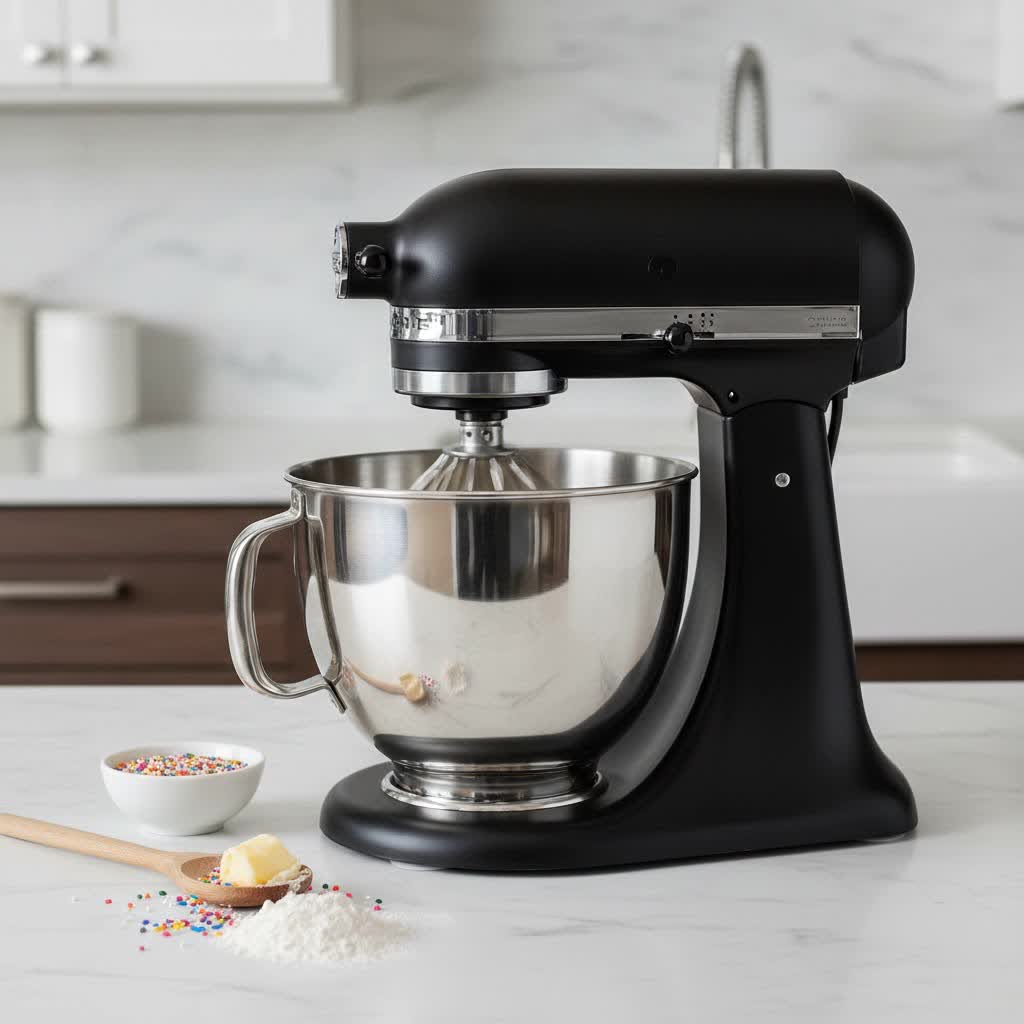
Are you a passionate home baker dreaming of producing professional-grade bread, pastries, and cakes from your kitchen? Investing in a robust stand mixer is the first step to turning that dream into a delicious reality. A stand mixer isn’t just a convenience; it’s a powerful culinary partner that handles the most strenuous tasks, from kneading dense dough to whipping delicate meringues, freeing you to focus on the artistry of baking. For home bakeries, a standard kitchen mixer often falls short of the demands of frequent, large-batch, or heavy-duty baking. That’s where professional-grade stand mixers come in.
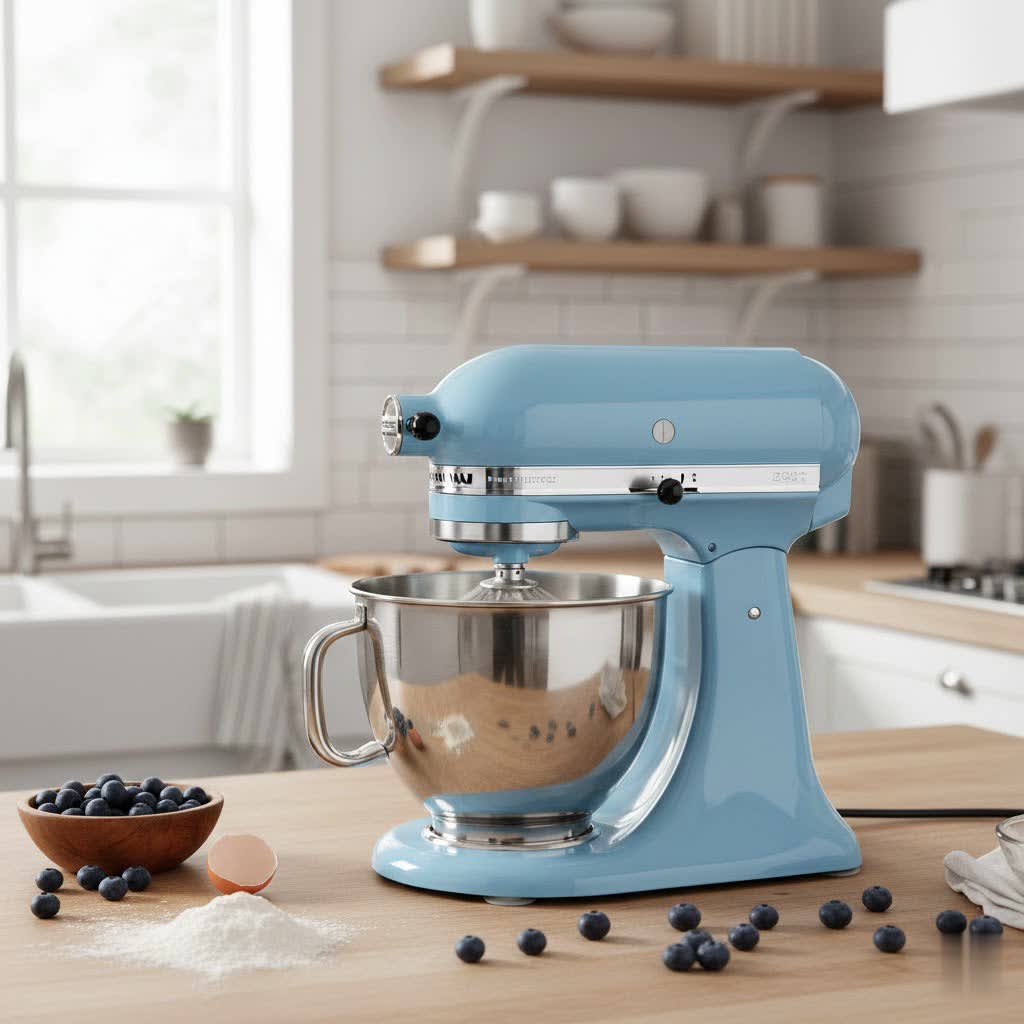
These powerful machines are designed for durability, capacity, and consistent performance, enabling you to scale up your production and tackle complex recipes with ease. Choosing the right one can revolutionize your baking workflow and the quality of your output. This comprehensive guide will navigate you through the world of professional stand mixers, helping you select the perfect workhorse for your thriving home bakery in 2026.
What is a Stand Mixer?
A stand mixer is an indispensable kitchen appliance featuring a powerful motor, a stationary bowl, and rotating attachments that mix, beat, whisk, or knead ingredients. Unlike handheld mixers, stand mixers offer hands-free operation, allowing for greater efficiency and multitasking in the kitchen. Their robust design and powerful motors make them superior for handling thick batters and heavy doughs that would quickly exhaust a hand mixer or even a weaker stand mixer.
The history of the stand mixer dates back to the early 20th century, with the iconic KitchenAid brand introducing its first model, the H-5, in 1919. Originally marketed to commercial bakeries, these machines gradually found their way into home kitchens as their benefits became undeniable. Over the decades, continuous innovation has led to more powerful motors, larger capacities, and a wider array of specialized attachments, transforming the stand mixer into a versatile culinary system that goes far beyond basic mixing.
Types of Stand Mixers
When considering a stand mixer for a home bakery, the primary distinctions lie in their design and capacity. While industrial models exist for full-scale commercial operations, we’ll focus on the types best suited for a high-volume home environment.
Tilt-Head vs. Bowl-Lift Stand Mixers
These are the two main designs found in home and prosumer stand mixers, each with distinct advantages.
- Tilt-Head Stand Mixers: With this design, the motor head tilts back, allowing easy access to the mixing bowl and attachments. They are generally simpler to use for adding ingredients and scraping the bowl. Many KitchenAid Artisan models feature this design, offering a balance of style and functionality for everyday baking. However, for extremely heavy or large batches of dough, some tilt-head models might experience instability or “jump” on the countertop at higher speeds.
- Bowl-Lift Stand Mixers: In this configuration, the mixing head remains stationary, and a lever raises or lowers the bowl into position. Bowl-lift mixers typically feature a sturdier, heavier base and more powerful motors, making them ideal for handling very large and dense doughs, such as multiple loaves of bread or sourdough. Their robust construction provides greater stability, making them the preferred choice for serious home bakers and those running small home bakeries. KitchenAid Professional series and Bosch Universal Plus are prime examples of this design.
|
Our Picks for the Best Stand mixer in 2026
As an Amazon Associate I earn from qualifying purchases.
|
||
| Num | Product | Action |
|---|---|---|
| 1 | Camic Stand Mixer, 4.2QT+5.3QT Two bowls Electric Food Mixer, 10 Speeds with Digital setting 3-IN-1 Kitchen Mixer for Baking Cakes Cookie Bread Salad with Egg Whisk,Dough Hook,Flat Beater (Black) |

|
| 2 | Martha Stewart Tilt-Head Stand Mixer, 12 Speed, 5.3QT Stainless Steel Bowl, Splash Guard with Pour Chute, Whisk, Dough Hook, Flat Beater, Electric Kitchen Baking Mixer, Bread, Cake, Whip, Linen White |
|
| 3 | KitchenAid Classic Series 4.5 Quart Tilt-Head Stand Mixer K45SS, White |
|
| 4 | KitchenAid Classic Series 4.5 Quart Tilt-Head Stand Mixer K45SS, Onyx Black |
|
| 5 | KitchenAid Artisan Series 5 Quart Tilt Head Stand Mixer, KSM150PS, Juniper |
|
| 6 | Hamilton Beach Electric Stand Mixer, 4 Quarts, Dough Hook, Flat Beater Attachments, Splash Guard, 7 Speeds with Whisk, Easy-Carry Top Handle, Red |
|
| 7 | Stand Mixer, Kitchen in the box 3.2Qt Small Electric Food Mixer,6 Speeds Portable Lightweight Kitchen Mixer for Daily Use with Egg Whisk,Dough Hook,Flat Beater (Purple) |
|
| 8 | Stand Mixer Body with Stainless Steel Cladding Pro-Grade Powerful Kitchen Mixer for Baking Bread Dough Cake 10+p Speed Tilt-Head Electric Food Mixer With 6.5QT Bowl Dough Hook Wire Whisk Flat Beater |
|
| 9 | Kitchen in the box Stand Mixer,3.2Qt Small Electric Food Mixer,6 Speeds Portable Lightweight Kitchen Mixer for Daily Use with Egg Whisk,Dough Hook,Flat Beater (Black) |
|
| 10 | Hamilton Beach Electric Stand Mixer, 4 Quarts, Dough Hook, Flat Beater Attachments, Splash Guard 7 Speeds with Whisk, Black |
|
Handheld Mixer
While not a direct competitor to a stand mixer for a home bakery, it’s worth noting the distinction. Handheld mixers are compact, portable, and suitable for lighter tasks like whipping cream or mixing thin batters. They lack the power, capacity, and hands-free operation required for the demanding work of a home bakery and are generally seen as an entry-level tool compared to the capabilities of a stand mixer.
Stand Mixer Attachments
The versatility of a stand mixer is greatly enhanced by its array of attachments. Essential attachments for a home bakery include:
- Dough Hook: Crucial for kneading bread dough, pizza dough, and other heavy yeast-based mixtures. Spiral dough hooks are particularly efficient at developing gluten.
- Flat Beater/Paddle: Used for general mixing tasks like creaming butter and sugar, mixing cookie dough, cake batters, and mashing potatoes. Flex-edge beaters, with a silicone edge, continuously scrape the bowl, reducing the need for manual intervention.
- Wire Whisk/Balloon Whisk: Designed to incorporate air into ingredients, perfect for whipping egg whites, cream, and making light batters.
Beyond these staples, many professional stand mixers offer a wide range of optional attachments, transforming the mixer into a multi-functional appliance capable of grinding meat, making pasta, spiralizing vegetables, and even making ice cream. This expandability can save valuable counter space and investment in separate appliances.
Buying Guide: How to Choose the Best Stand Mixer
Selecting the ideal stand mixer for your home bakery involves careful consideration of several factors to match your specific baking needs.
1. Identify Your Usage Needs
Your baking frequency and the types of recipes you typically prepare will dictate the necessary power and capacity.
- Family/Occasional Use: If you bake once or twice a week, a mid-range 4-5 quart tilt-head mixer like the KitchenAid Artisan might suffice.
- Small Business/Frequent Use: For those running a home bakery, baking multiple times a week, or working with large batches of heavy dough (like sourdough or multiple bread loaves), a heavy-duty bowl-lift mixer with a 6-7 quart capacity and a powerful motor is essential.
- Professional/High Volume: While not strictly industrial, some prosumer models with exceptionally large capacities and powerful motors (e.g., Bosch Universal Plus, Kenwood Chef XL Titanium) can handle near-commercial volumes and continuous operation.
2. Capacity and Motor Power
These are perhaps the most critical specifications for a home bakery.
- Capacity: Measured in quarts (Qt) for the bowl size. For home bakeries, aim for at least 5 quarts, with 6-7 quarts being ideal for larger batches of bread dough or cookies. Some mixers, like the Bosch Universal Plus, boast capacities up to 6.5 quarts but can handle up to 15 lbs of dough, making them exceptional for high-volume bread making.
- Motor Power: Measured in watts (W). A motor of 300-500W is generally sufficient for lighter baking. However, for kneading heavy doughs consistently without straining the motor, look for 500W and above. Bosch Universal Plus mixers often feature 500-800W motors, making them powerhouses for dense dough. Kenwood models can reach up to 1400W for superior performance.
3. Features and Included Attachments
Beyond the basic dough hook, beater, and whisk, consider features that enhance usability and expand functionality.
- Speed Settings: Multiple speeds (6-12) offer precise control for various mixing tasks, from gentle folding to vigorous whipping. A ½ speed setting for delicate ingredients is a bonus.
- Planetary Mixing Action: Ensures thorough incorporation of ingredients by having the attachment rotate in one direction while whisking and turning in the other, reaching all parts of the bowl.
- Splash Guard: Prevents flour clouds and splatters, keeping your workspace cleaner.
- Integrated Scales: Found in some high-end models like the Kenwood Titanium Chef Patissier XL, this feature allows you to weigh ingredients directly in the bowl, streamlining the process.
- Warming Function: The Kenwood Titanium Chef Patissier XL also offers an EasyWarm bowl for proving dough or melting chocolate, adding a luxurious touch.
- Timer: A built-in timer can be incredibly useful for recipes requiring precise mixing times.
4. Build Quality and Durability
A professional stand mixer is an investment that should last for years.
- Material: Opt for models with sturdy metal construction, especially for the gears and housing, rather than plastic components. Metal ensures longevity and stability, particularly when handling heavy loads.
- Weight: Heavier mixers typically indicate more robust construction and better stability on the counter, preventing the machine from “walking” during intense mixing.
- Warranty: A good warranty (1-5 years, some Kenwood models offer 10 years) reflects the manufacturer’s confidence in their product’s durability.
5. Brand and Price
While many brands offer stand mixers, a few stand out for their performance and reliability in the professional home baking segment.
- KitchenAid: A household name, known for its iconic design and wide range of models. The Artisan series is popular, but for home bakeries, the Professional and Bowl-Lift series offer the power and capacity needed for heavy dough. Prices range from $400 for entry-level models to over $1000 for professional lines.
- Bosch: Highly regarded for its powerful motors and unique bottom-drive design, making them exceptional for bread dough. The Bosch Universal Plus is a favorite among bread bakers. Expect prices around $500-$800.
- Kenwood: A popular choice in Europe, known for powerful motors, large capacities, and innovative features like integrated scales and warming functions in models like the Chef Patissier XL. Prices often range from $700 to over $1000 for their top-tier models.
- Ankarsrum: A high-end Swedish brand known for its unique open-bowl design and quiet operation, often favored by serious bread bakers. Prices are typically in the $800+ range.
“For a home bakery, prioritizing motor power and bowl capacity is non-negotiable. A robust machine not only saves time and effort but also ensures consistent, high-quality results every single time.” – Admin, ReviewRM, Stand Mixer Technician with 10+ years experience
Comparison of Popular Professional Stand Mixers for Home Bakeries 2026
Here’s a comparison of top-tier stand mixers frequently recommended for ambitious home bakers and small home bakeries.
| Feature | KitchenAid Professional (e.g., 600 Series) | Bosch Universal Plus | Kenwood Chef XL Titanium / Patissier XL | Ankarsrum Original |
|---|---|---|---|---|
| Design Type | Bowl-Lift | Bottom-Drive | Tilt-Head (some models) / Bowl-Lift | Open Bowl, Bottom-Drive |
| Motor Power | 575W – 1.3 HP DC Motor | 500W – 800W | 1200W – 1700W | 600W |
| Bowl Capacity | 6-7 Quarts | 6.5 Quarts (up to 15 lbs dough) | 6.7 – 7 Liters (7-7.4 Quarts) | 7 Liters (18 cups flour) |
| Speed Settings | 10 Speeds | Variable, plus Pulse | Variable, plus Pulse, some presets | Variable |
| Primary Use | Heavy Doughs, Large Batches | Heavy Doughs, Bread | Versatile, Baking, Pastry, Smart Features | Bread, Large Batches, Quiet |
| Key Attachments | Dough Hook, Flat Beater, Wire Whip | Dough Hook, Wire Whips, Cake Paddles | K-beater, Dough Hook, Whisk, Flexi Beater, often 2 bowls | Dough Roller, Scraper, Whisk, Paddle |
| Unique Features | Power hub for attachments | Unique bottom-drive kneading, high dough capacity | Integrated scales, warming function, in-bowl illumination | Open bowl for easy access, quiet operation |
| Pros | Durable, wide range of attachments, strong for dense dough | Excellent for large bread batches, gentle kneading, compact footprint despite capacity | Very powerful, smart features (scales, warm), large capacity | Extremely quiet, robust, ideal for bread, easy to add ingredients |
| Cons | Can be noisy, some models struggle with very small batches | Plastic bowl (durable but not stainless steel aesthetic), less compact vertically | Large footprint, higher price, touchscreen can be unresponsive on Patissier XL | Higher price point, learning curve for some attachments |
Top Stand Mixers for Home Bakeries 2026
Based on performance, durability, capacity, and features crucial for home bakery operations, here are our top picks for 2026:
-
Bosch Universal Plus Mixer
- Overview: The Bosch Universal Plus is a favorite among serious home bread bakers for its unparalleled dough kneading capabilities. Its unique bottom-drive design and powerful 500-800W motor can effortlessly handle up to 15 pounds of dough, making it perfect for multiple loaves of bread or large batches of sourdough. The open-top bowl design also makes adding ingredients exceptionally easy while mixing.
- Pros: Outstanding for heavy dough, high capacity, relatively compact footprint for its power, versatile with numerous attachments.
- Cons: Plastic bowl might not appeal to everyone, can be louder than some competitors.
- Best for: Dedicated bread bakers, those needing to knead large quantities of heavy dough weekly.
-
KitchenAid 7-Quart Bowl-Lift Stand Mixer
- Overview: KitchenAid’s largest capacity bowl-lift models are designed for professional-style performance, offering superior stability and power for big batches. With a robust motor, it easily handles thick batters and dense doughs for cookies, cakes, and bread. The power hub allows for an extensive range of attachments, expanding its functionality well beyond mixing.
- Pros: Excellent build quality, stable for heavy tasks, wide range of compatible attachments, iconic brand reliability.
- Cons: Can be heavy and tall, requiring dedicated counter space; some users report it being noisy under heavy loads.
- Best for: Home bakers who need significant capacity and versatility for a wide variety of baking tasks, including frequent bread making.
-
Kenwood Titanium Chef Patissier XL
- Overview: This Kenwood model is a luxury choice packed with innovative features for the ambitious baker. Its powerful 1400W motor, large 7-liter bowl, integrated weighing scales, and EasyWarm function (for dough proving or melting chocolate) truly set it apart. It’s designed to be a sous chef, streamlining complex patisserie tasks.
- Pros: Exceptionally powerful, unique smart features (scales, warm bowl), large capacity, produces excellent results across all tasks.
- Cons: High price point, large footprint, the touchscreen interface can sometimes be less responsive.
- Best for: Bakers who demand cutting-edge features, precise control, and high performance for both bread and intricate pastry work.
-
Ankarsrum Original Mixer
- Overview: The Ankarsrum Original stands out with its distinctive open-bowl, bottom-drive design and quiet operation. It’s built for longevity and handles large bread doughs exceptionally well, mimicking hand-kneading with its unique dough roller and scraper. It’s often praised for its gentle yet thorough mixing.
- Pros: Extremely durable, very quiet, excellent for bread and sourdough, easy to add ingredients.
- Cons: Higher price tag, a unique design that might require a slight learning curve for users accustomed to planetary mixers.
- Best for: Bakers prioritizing durability, quiet operation, and those primarily focused on high-quality bread production.
Usage and Maintenance Guide
To ensure your professional stand mixer serves your home bakery reliably for years, proper usage and maintenance are key.
Safe and Effective Use
- Read the Manual: Always start by familiarizing yourself with your specific model’s instructions.
- Secure the Bowl and Attachments: Ensure the bowl is locked firmly in place and attachments are correctly installed before starting.
- Start Slow: Begin mixing on a low speed to prevent ingredients from scattering, gradually increasing as needed.
- Don’t Overload: Adhere to the manufacturer’s recommended maximum capacities for ingredients, especially for dense doughs, to prevent motor strain.
- Monitor Dough: For heavy doughs, monitor the mixer to ensure it’s not struggling or overheating. Some powerful mixers can still “walk” on the counter with very sticky doughs.
- Use the Right Attachment: Always match the attachment to the task (e.g., dough hook for kneading, whisk for aeration).
Cleaning and Storage
- Unplug Before Cleaning: Always unplug your stand mixer before disassembling or cleaning.
- Dishwasher-Safe Parts: Most bowls and attachments (dough hooks, flat beaters, wire whips) are dishwasher-safe. Check your manual for specific instructions.
- Wipe Down the Base: Clean the motor head and base with a damp cloth, avoiding abrasive cleaners or submerging the unit in water.
- Immediate Cleaning: Clean bowls and attachments immediately after use to prevent food from drying and sticking, making cleanup easier.
- Proper Storage: Store your mixer in a dry, accessible location. Consider mixer covers to keep dust off the unit when not in use.
Common Issues and Troubleshooting
- Mixer “Walking”: If your mixer moves on the counter during heavy kneading, ensure it’s on a stable, flat surface. For some tilt-head models, this can be a limitation; bowl-lift models are generally more stable.
- Motor Overheating: If the motor feels hot or emits a burning smell, turn it off immediately and let it cool down. This often indicates overloading or prolonged use with very dense mixtures. Reduce batch sizes or knead for shorter intervals.
- Attachments Not Reaching Bottom: For tilt-head mixers, the beater-to-bowl clearance might need adjustment. Refer to your manual for instructions on how to adjust the screw that controls the attachment height.
Stand Mixers and Health
Your stand mixer plays a direct role in food preparation, making health and safety important considerations.
Safe Material Selection
- Stainless Steel Bowls: These are durable, non-reactive, and easy to clean, making them a hygienic choice for food preparation.
- Metal Attachments: Opt for attachments made from stainless steel or coated metal for longevity and food safety. Avoid plastic attachments that can degrade over time or leach chemicals.
- BPA-Free Plastics: If your mixer includes plastic components (like splash guards or some bowls), ensure they are BPA-free for peace of mind.
Food Safety and Hygiene
- Thorough Cleaning: Always clean bowls and attachments thoroughly after each use, especially when working with raw ingredients like eggs or meat (if using grinder attachments).
- Prevent Cross-Contamination: If you use your mixer for tasks like grinding raw meat, ensure all components are meticulously cleaned and sanitized before using them for baking ingredients to prevent cross-contamination.
- Proper Storage: Store clean attachments and bowls in a clean, dry place to prevent bacterial growth.
Conclusion
Choosing the best professional stand mixer for your home bakery in 2026 is a decision that will profoundly impact your baking journey. These powerful machines are more than just appliances; they are investments in efficiency, quality, and the expansion of your culinary capabilities. Whether you prioritize the unparalleled dough power of a Bosch Universal Plus, the versatile strength of a KitchenAid Bowl-Lift, the smart features of a Kenwood Patissier XL, or the quiet durability of an Ankarsrum, there’s a perfect partner waiting to elevate your home baking to professional heights.
By considering your specific needs for capacity, power, features, and durability, you can confidently select a stand mixer that will be the reliable workhorse of your kitchen for years to come. What delicious creations will you whip up first with your new professional stand mixer?